
The Secret to Restaurant-Quality Green Curry (It's Not the Paste)
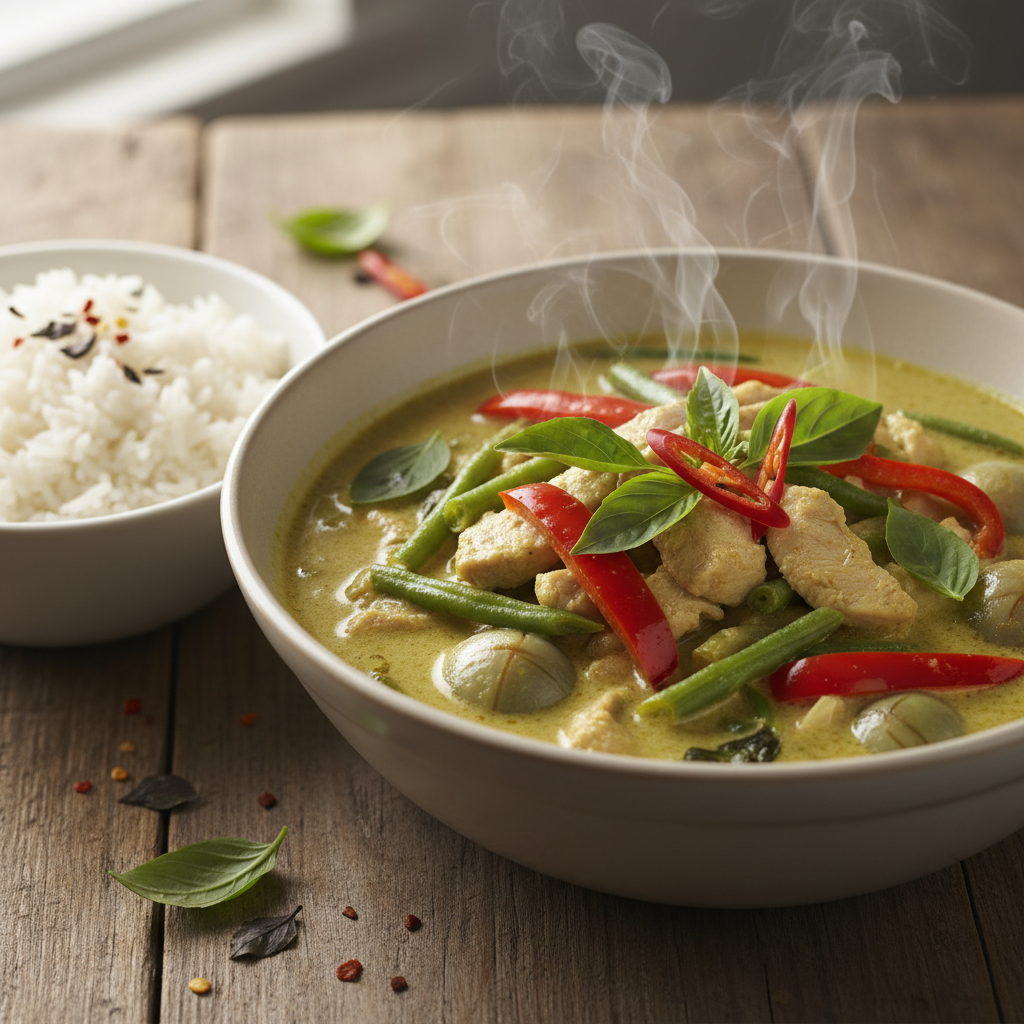
Are you ready to escape to the vibrant streets of Thailand, right from your very own kitchen? There’s something undeniably magical about a perfectly made thai green curry.
It’s that incredible balance of spicy, sweet, sour, and savory, all enveloped in a rich, velvety coconut sauce. Forget bland, watery versions – today, we’re going to unlock the secrets to a truly authentic and incredibly flavorful thai green curry that will have you coming back for seconds (and thirds!).
You might think making curry from scratch is daunting, but I promise you, it’s much simpler than you imagine. And the reward? A homemade dish that far surpasses any takeout, packed with fresh ingredients and bursting with aroma. Get ready to impress yourself and your loved ones!
Why This Thai Green Curry Recipe Works
We’ve fine-tuned this recipe to ensure maximum flavor and ease. Here’s why you’ll love it:
- Building Flavors from the Base: We start by cooking down the curry paste properly, allowing its aromatic oils to release and deepen, preventing that raw spice taste.
- Layering Coconut Milk: Using both thick coconut cream and thinner coconut milk allows for a luxurious texture and controlled richness, creating that signature silky sauce.
- Fresh, Balanced Seasoning: We emphasize tasting and adjusting seasonings throughout, ensuring your curry achieves that perfect Thai balance without being overly sweet or salty.
- Quick Cooking Protein & Veggies: Adding protein and vegetables at the right time ensures they are perfectly cooked – tender yet still vibrant, not overcooked or mushy.
Ingredients You'll Need
The beauty of a great thai green curry lies in its fresh ingredients. Don't be intimidated by the list – many items are now readily available in most supermarkets or Asian grocery stores.
- Green Curry Paste: The star! We recommend a good quality store-bought paste for convenience, or you can make your own if you're adventurous.
- Coconut Milk: Full-fat is essential for creaminess. One can of coconut cream (the thick part) and one can of regular coconut milk.
- Protein: Chicken (thighs or breast), shrimp, tofu, or even just extra veggies work beautifully.
- Vegetables: Bamboo shoots, Thai eggplant (or regular eggplant), bell peppers, green beans.
- Aromatics: Garlic, ginger (or galangal if you can find it), makrut lime leaves.
- Flavor Boosters: Fish sauce, palm sugar (or brown sugar), fresh basil leaves, fresh red chili (for garnish).
- Oil: A neutral cooking oil like vegetable or canola.
Step-by-Step Instructions
Ready to get cooking? Follow these steps, and don’t forget to check the detailed recipe card below for precise measurements!
- Sauté the Curry Paste: Heat a tablespoon of oil in a large pot or wok over medium heat. Add your green curry paste and stir-fry for 2-3 minutes until fragrant and the oil separates slightly. Tip: This step is crucial! Don't rush it. It 'blooms' the spices, making your curry incredibly flavorful.
- Add Coconut Cream: Pour in the thick part of your coconut milk (the cream from the top of the can). Stir well to combine with the paste and bring to a gentle simmer.
- Introduce Protein: Add your sliced chicken or other protein to the pot. Cook, stirring occasionally, until it's about halfway cooked through.
- Deglaze and Add Coconut Milk: Pour in the remaining thinner coconut milk, stir, and bring to a simmer.
- Flavor Boosters: Add fish sauce, palm sugar, and bruised makrut lime leaves. Stir and allow to simmer gently for 5-7 minutes, letting the flavors meld. Tip: Bruising the lime leaves by tearing them slightly releases their incredible citrusy aroma.
- Introduce Vegetables: Add your chosen vegetables (eggplant, bamboo shoots, bell peppers, green beans, etc.). Continue to simmer until the vegetables are tender-crisp. Internal Link: For another amazing Asian dish, try our Speedy Chicken Pad Thai!
- Adjust Seasoning: Taste your curry! This is where you make it perfect for YOUR palate. Add a little more fish sauce for saltiness, palm sugar for sweetness, or lime juice (if desired) for tartness.
- Finish with Basil: Stir in fresh basil leaves just before serving. The heat of the curry will wilt them perfectly. Garnish with fresh chili if you like an extra kick. Internal Link: Craving another comfort meal? Our Hearty Beef Stew Recipe is a must-try!
Chef's Tips for Perfect Thai Green Curry
- Don't Skimp on Full-Fat Coconut Milk: It's the foundation of a rich, authentic curry. Light coconut milk just won't give you the same luxurious texture. For an interesting read on coconut milk, you can find more information on its nutritional aspects from the Harvard T.H. Chan School of Public Health.
- Taste as You Go: Thai cooking is all about balance. Always taste your curry before serving and adjust the fish sauce, sugar, and maybe a touch of lime juice if needed.
- Fresh Herbs Make a Difference: While dried makrut lime leaves are okay, fresh ones are truly transformative. The same goes for fresh basil. They add incredible aroma.
- Source Quality Ingredients: Good quality curry paste and fresh produce will elevate your dish from good to outstanding. Don't be afraid to visit an Asian market!
Common Mistakes to Avoid
Even seasoned cooks can sometimes run into issues. Here's what to watch out for:
- Under-cooking the Curry Paste: Not sautéing the paste long enough is a common culprit for a less flavorful, sometimes even raw-tasting curry. Give it time to bloom!
- Over-cooking Vegetables: Adding vegetables too early can lead to mushy textures. Add them in the last 5-10 minutes of simmering so they retain a bit of crispness.
- Too Much Liquid: If your curry is too thin, it's likely a ratio issue with coconut milk. Simmer gently without a lid for a bit to allow it to reduce and thicken naturally. For more detailed troubleshooting, check out our complete Curry Troubleshooting Guide. It has answers to all your curry conundrums! For expert insights into Thai cuisine, you might enjoy reading more from Serious Eats' collection of Thai recipes.
FAQ
- Can I make this vegetarian? Absolutely! Omit the chicken and fish sauce. Use a vegetarian curry paste, extra vegetables, and tamari or a dash of soy sauce for umami.
- How spicy is this? That depends on your curry paste! Most store-bought green curry pastes are medium spicy. You can reduce the amount of paste for a milder curry or add fresh sliced chilies for more heat.
- Can I freeze leftover Thai green curry? Yes, it freezes quite well for up to 3 months. Thaw overnight in the fridge and reheat gently on the stovetop, adding a splash of fresh coconut milk if needed to restore creaminess. For general food safety advice on freezing and reheating, consult guidance from the Food Standards Agency.