
Curry Not Spicy Enough? 7 Easy Ways to Fix It Fast | RipePlate
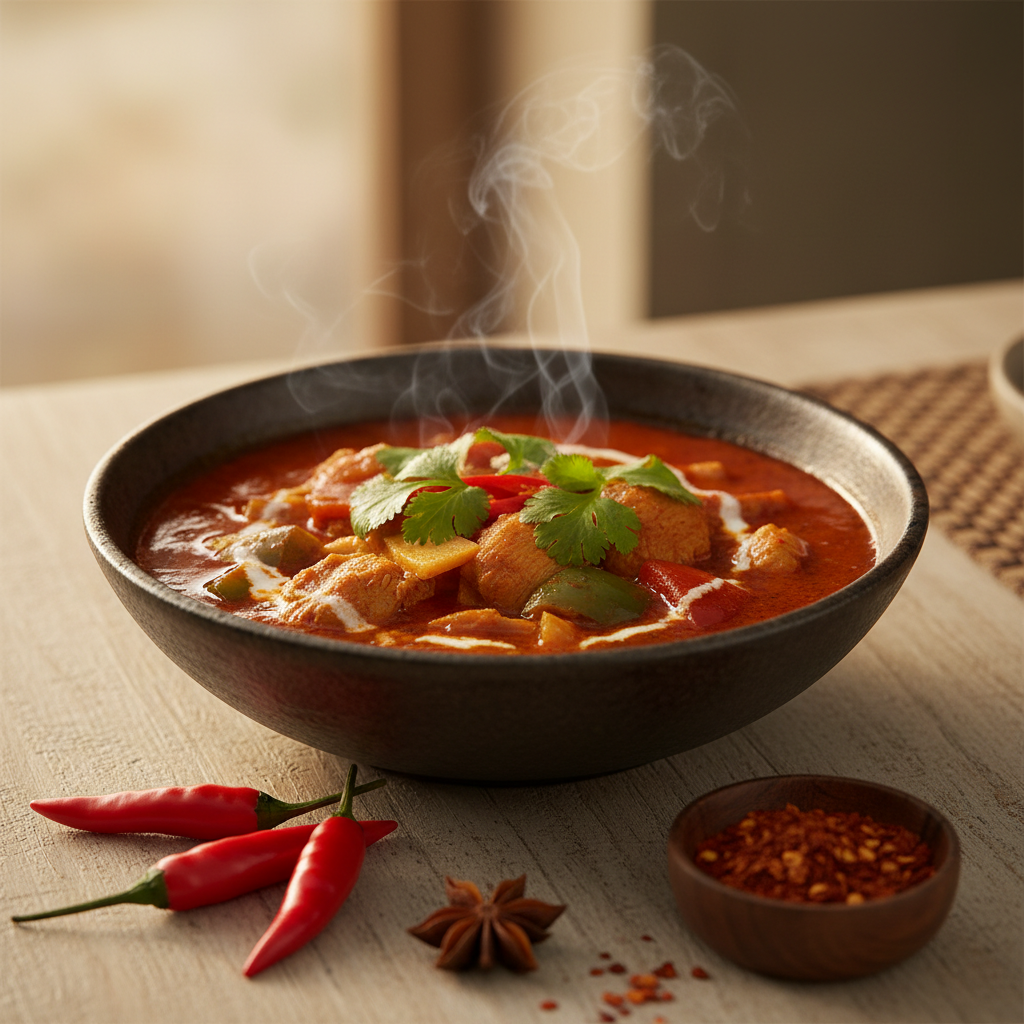
5 Ways to Fix Curry Not Spicy Enough: A Guide to Lasting
To fix a curry that's not spicy enough, bloom your dried spices in hot oil, add potent chillies early, control dilution, and layer different forms of heat for complex, lasting spiciness.curry not spicy enough. Want to create your own custom recipes? Try our AI-powered recipe generator for personalized cooking solutions.
The Blooming Trick: Unlocking Chilli Potency
curry not spicy enough. Blooming spices in hot oil is crucial for enhancing a curry's spiciness. Capsaicin, the compound responsible for heat, is fat-soluble. Blooming activates these compounds, allowing them to infuse effectively throughout your curry.
curry not spicy enough. To bloom spices, heat 2-3 tablespoons of oil or ghee until it shimmers. Add dried chilli powder and other aromatics like cumin and coriander. Stir constantly for 30-60 seconds until fragrant and slightly darkened. Immediately add your aromatics (onions, ginger, garlic) to prevent burning. This technique awakens volatile compounds, ensuring vibrant, fiery complexity.
Optimal Timing for Heat: When to Introduce Chillies
curry not spicy enough. The timing of adding heat sources significantly impacts overall spiciness. Chillies need time to infuse their heat; adding them too late results in superficial spiciness that fades quickly. For maximum impact, aim for early introduction, allowing pungency to integrate deeply for a sustained, robust heat profile.
curry not spicy enough. For spiciest results, incorporate dried chilli powder during the blooming stage and fresh chillies with your aromatics. This allows capsaicin to bond with fats and liquids from the beginning. Adding fresh chillies halfway through simmering is also effective, but late-stage additions create only surface-level heat. Ensure heat sources simmer for at least 15-20 minutes to fully develop flavor and intensity.
The Secret Ingredient: Choosing the Right Chilli Variety
curry not spicy enough. Many recipes vaguely call for "red chillies," a common pitfall leading to a not-spicy-enough curry. The type of chilli you use is a game-changer, with vast differences in Scoville Heat Units (SHU). A common long red chilli might offer around 2,500 SHU, whereas a Bird's Eye chilli can pack 50,000-100,000 SHU – 20 to 40 times hotter. Understanding this distinction is key.
The fix is simple: replace generic chillies with fresh Bird's Eye chillies. For moderate heat, use 2-3; for serious fire, opt for 4-6. Slice them, seeds and all, and incorporate them during the blooming stage. If Bird's Eye aren't available, suitable alternatives include Serrano chillies (10,000-23,000 SHU) or cayenne powder (30,000-50,000 SHU per teaspoon). Even dried chilli flakes, often made from potent chillies, can be a good substitute. Selecting the correct chilli ensures your curry has the intrinsic heat you desire.
Preventing Heat Dilution: Concentration Strategies
Even with potent chillies and perfect blooming, your curry can still end up not spicy enough if the heat is diluted. Excessive liquid and liberal use of dairy or coconut products are common culprits. These ingredients, while essential for texture and flavor, can inadvertently neutralize capsaicin, making your curry milder. Managing these elements is crucial for maintaining the desired spice level and ensuring a rich, concentrated flavor.
If your curry is too watery, simmer it uncovered for 10-15 minutes to allow approximately one-third of the liquid to evaporate. This reduction concentrates both flavors and heat. When incorporating dairy like cream, yogurt, or coconut milk, add it in stages. Taste after each addition to monitor the spice level. Capsaicin readily binds to fats in these ingredients, dampening heat. If it becomes too mild, you'll know to add more chilli or cayenne at that point.
Layering Heat Sources: Complex and Lasting Spiciness
An exceptional curry doesn't rely on a single source of heat. Professional chefs understand the power of layering different chilli forms to create complex spiciness that evolves and lingers. Each type of chilli—dried, fresh, powdered, or flaked—contributes distinct characteristics, offering both immediate impact and sustained warmth. This technique builds a dynamic and flavorful fire that enhances the entire dish, rather than a one-dimensional "blast" of heat.
To achieve multi-faceted heat, build a "heat arsenal." Use dried chilli powder as your base, bloomed in oil for fundamental warmth. Incorporate fresh chillies early for a bright, sharp kick. Add dried chilli flakes mid-cook for visual appeal and a burst of heat. Keep cayenne pepper on hand for an emergency heat boost, adding it sparingly towards the end. Finally, a drizzle of chilli oil just before serving provides a finishing layer of aromatic heat. By layering at least 2-3 of these sources, you ensure your curry stays spicy, from the first bite to the last.
Conclusion
To recap, fixing a curry that's not spicy enough involves a few key, actionable steps. Always bloom your dried spices in hot oil, add your main heat sources early, use potent chillies, control dilution, and layer different forms of heat for complex, lasting spiciness. By following these five expert tips, you'll transform your mild curries into perfectly spiced, fiery masterpieces every time.
```Frequently Asked Questions
Why is my curry not spicy enough even though I added a lot of chili powder?
Simply adding more chili powder isn't always enough if it's not bloomed properly. Capsaicin, the heat compound, needs to be activated by fat. Blooming your dried spices in hot oil or ghee helps infuse the heat effectively throughout your curry.
What's the best time to add chillies if my curry is not spicy enough?
For maximum spice, incorporate dried chili powder during the blooming stage and fresh chillies with your aromatics (onions, ginger, garlic). This early introduction allows the capsaicin to bond with fats and liquids for sustained, robust heat. Late-stage additions typically only create superficial heat.
Can the type of chili affect why my curry isn't spicy enough?
Absolutely. The variety of chili used dramatically impacts the spiciness. Generic "red chillies" can vary wildly in heat; opting for hotter varieties like fresh Bird's Eye chillies (50,000-100,000 SHU) instead of milder long red chillies (around 2,500 SHU) will significantly increase the heat.
How can I make sure the spiciness in my curry lasts?
To ensure lasting spiciness, focus on early and layered introduction of heat. Bloom your dried spices, add fresh chillies with aromatics, and allow them to simmer for at least 15-20 minutes. This allows the heat to integrate deeply rather than fading quickly.
Is there a "secret ingredient" to fix a curry not spicy enough?
The "secret ingredient" isn't one specific item, but rather understanding the potency of different chili varieties. Swapping out milder, generic red chillies for significantly hotter ones, like Bird's Eye chillies, is a game-changer for a curry not spicy enough.