
Stop Making Soggy Stir Fry — Try This Restaurant Method Instead
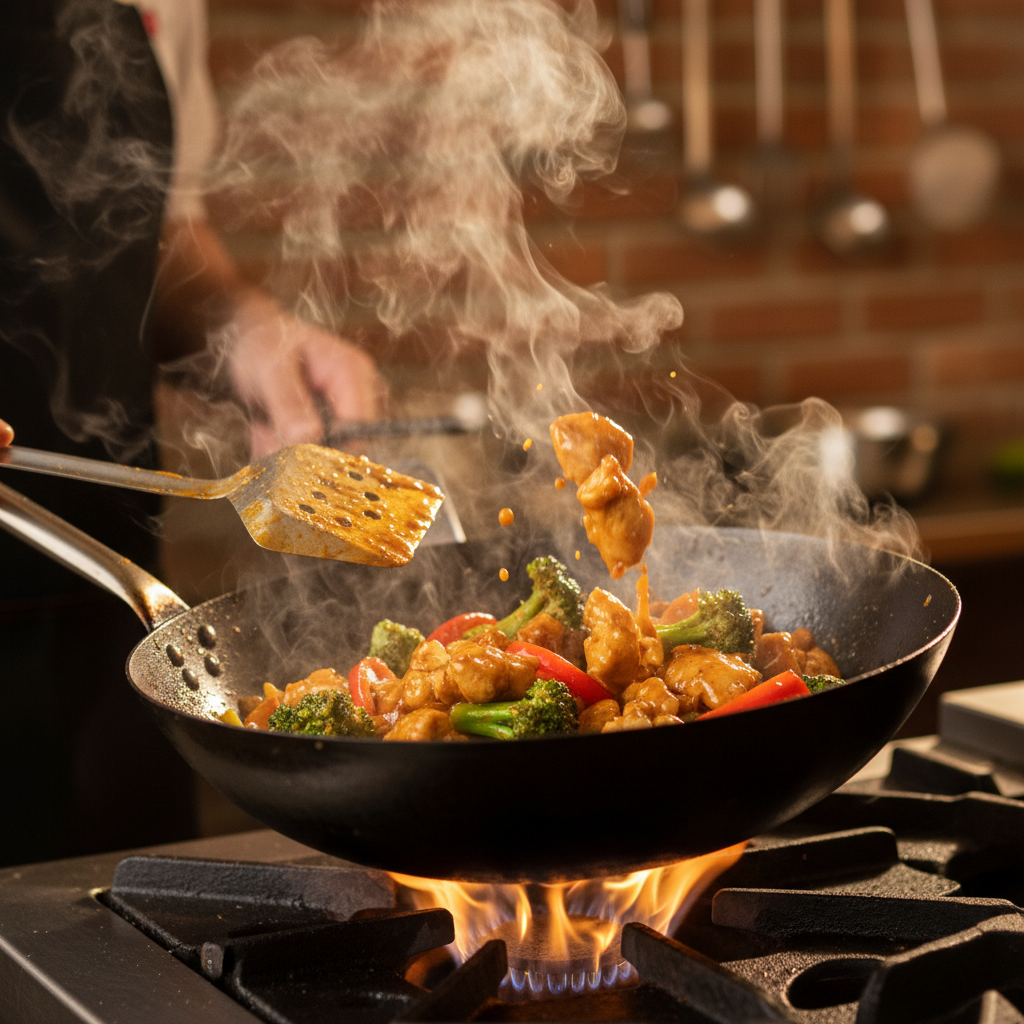
A watery stir fry is usually caused by insufficient heat, overcrowding the pan, or ingredients releasing too much moisture, leading to steaming instead of searing.
watery stir fry. You’ve got fresh ingredients, ready for a sizzling, restaurant-quality stir fry. But instead, you see a sad, soupy puddle. If you’ve ever asked, “Why is my stir fry watery?”, you're not alone. It's a common kitchen frustration!
A soupy, watery stir fry is fixable. It comes down to techniques pro chefs use for that signature sizzle and flavor, often called wok hei—the “breath of the wok.” We’ll demystify the process, pinpoint culprits, and turn soggy stir fry sorrows into sizzling success.
Want to create your own custom recipes? Try our AI-powered recipe generator for personalized cooking solutions tailored to your ingredients and preferences.
The Science of a Sizzling Stir Fry
A great stir fry is about high-heat cooking. The goal is to sear ingredients quickly, creating browning through the Maillard reaction while keeping vegetables crisp. This requires intense heat to evaporate moisture almost instantly.
A watery stir fry happens when the pan temperature drops, and ingredients steam in their own juices instead of searing. This liquid pools, boiling food and preventing caramelization. The result: soggy vegetables, pale meat, and diluted sauce.
7 Common Mistakes That Lead to a Watery Stir Fry (And How to Fix Them)
Ready to solve this kitchen conundrum? Let's break down the seven common culprits behind a watery stir fry and give you actionable solutions.
1. Your Pan Isn't Hot Enough
The Mistake: This is the primary cause of a soupy stir fry. Tossing ingredients into a warm pan immediately drops its temperature, releasing water before searing begins.
The Fix: Get that pan screaming hot! Preheat your wok or skillet over high heat until almost smoking. Add high-smoke-point oil (canola, grapeseed, or peanut); it should shimmer. When you add ingredients, you should hear a loud sizzle. No sizzle? Your pan isn't ready.
2. You're Crowding the Pan
The Mistake: Throwing everything in at once creates a steamy, watery mess. Overloading the pan drastically lowers the temperature, causing food to steam instead of fry.
The Fix: Cook in batches. Cook protein first, searing quickly until just cooked. Remove it. Then, stir-fry vegetables in batches, starting with heartier ones. Combine everything at the end with the sauce. This ensures every ingredient contacts the hot pan surface.
3. Your Ingredients Are Too Wet
The Mistake: Excess surface water from washed vegetables or thawed meat turns into steam, preventing searing and contributing to a watery result.
The Fix: Dry, dry, dry! After washing vegetables, use a salad spinner or pat them thoroughly dry with paper towels. For proteins, especially if marinated or frozen, pat them completely dry. A dry surface is essential for a golden-brown crust.
4. You're Adding the Sauce Too Early
The Mistake: Pouring stir-fry sauce into the pan with raw vegetables or meat immediately lowers the cooking temperature and starts boiling ingredients.
The Fix: The sauce is the grand finale. Add it in the last 30-60 seconds of cooking, after protein is cooked and vegetables are crisp-tender. The goal is to coat and glaze ingredients, not cook them. Add it at the end, toss quickly, and serve immediately.
5. Your Vegetables Are Releasing Too Much Water
The Mistake: High-water-content vegetables like mushrooms, zucchini, or bok choy naturally release a lot of liquid when cooked, leading to a soupy situation.
The Fix: Give them a head start. For mushrooms, cook them separately first over medium-high heat to evaporate their water before incorporating them. For leafy greens like spinach or bok choy, add them at the very end to wilt into the residual heat. For more tips, check out this guide to the best vegetables for stir-frying.
6. Your Meat Wasn't Prepped Properly
The Mistake: Simply slicing chicken or beef and tossing it in can lead to tougher meat that releases water into the pan.
The Fix: Discover the magic of velveting. This classic Chinese technique coats thinly sliced meat in a mixture of cornstarch, egg white, and seasonings. It creates a protective layer that locks in moisture, keeping meat tender and preventing it from releasing water. Try it once, and you'll never go back! For more ideas, check out our `Guide to Asian Marinades`.
7. Your Sauce is Too Thin
The Mistake: A stir-fry sauce with the consistency of water will never thicken, creating a soupy broth at the bottom of the pan.
The Fix: Embrace the cornstarch slurry. This is the secret weapon for a glossy, perfectly thickened sauce that clings to every ingredient. Whisk 1 tablespoon of cornstarch with 2 tablespoons of cold water until smooth. When adding your sauce at the end, pour in the slurry. Stir constantly for about 30 seconds; it will magically thicken into a beautiful glaze. This is a non-negotiable step for avoiding a watery stir fry sauce.
The Ultimate No-Fail Stir Fry Recipe
Now that you’re armed with the knowledge to defeat a watery stir fry, let's put it into practice! This recipe incorporates all the techniques we've discussed for a guaranteed delicious and crisp result. It's the perfect companion to a bowl of `Perfectly Steamed Rice`.
Crispy Garlic Ginger Chicken Stir Fry
This recipe ensures a non-watery, flavorful stir fry by cooking in batches and finishing with a magical cornstarch slurry-thickened sauce.
- Prep Time: 20 minutes
- Cook Time: 15 minutes
- Total Time: 35 minutes
- Servings: 4
- Difficulty: Medium
Ingredients
For the Chicken & Marinade:
- 1 lb (450g) boneless, skinless chicken breasts or thighs, thinly sliced
- 1 tbsp soy sauce
- 1 tsp cornstarch
- 1 tsp sesame oil
For the Stir Fry Sauce:
- 1/4 cup (60ml) low-sodium soy sauce
- 1/4 cup (60ml) chicken broth or water
- 2 tbsp honey or maple syrup
- 1 tbsp rice vinegar
- 1 tbsp sesame oil
- For the Slurry: 1 tbsp cornstarch mixed with 2 tbsp cold water
For the Stir Fry:
- 2 tbsp high-smoke-point oil (canola, grapeseed, peanut), divided
- 1 large head of broccoli, cut into small florets
- 1 red bell pepper, thinly sliced
- 1 medium onion, thinly sliced
Frequently Asked Questions
Why is my stir fry watery even with a hot pan?
Even with a hot pan, overcrowding it can drastically drop the temperature, leading to a watery stir fry. Ingredients release moisture and steam instead of searing. Try cooking in smaller batches to maintain high heat.
What ingredients cause a watery stir fry?
Ingredients with high water content, like mushrooms, zucchini, or certain leafy greens, can contribute to a watery stir fry if not cooked correctly. Ensure your pan is screaming hot to evaporate this moisture quickly or pre-cook these ingredients slightly.
Can my stir fry sauce make it watery?
Yes, adding too much liquid sauce too early or a sauce that isn't thick enough can definitely make your stir fry watery. Consider adding sauce towards the end of cooking and ensure any homemade sauce is reduced or thickened slightly beforehand.
How can I fix a watery stir fry after it's cooked?
To fix a watery stir fry, you can try draining some of the excess liquid, then return the food to a very hot pan to evaporate more moisture. A slurry of cornstarch and water can also be used to thicken the remaining liquid into a sauce.
What are the main reasons for a watery stir fry?
The primary reasons for a watery stir fry are insufficient pan heat, overcrowding the pan, and ingredients releasing too much moisture. These factors prevent proper searing and cause ingredients to steam in their own juices instead.