
Hard Rice After Cooking? How to Fix It Fast With This Trick
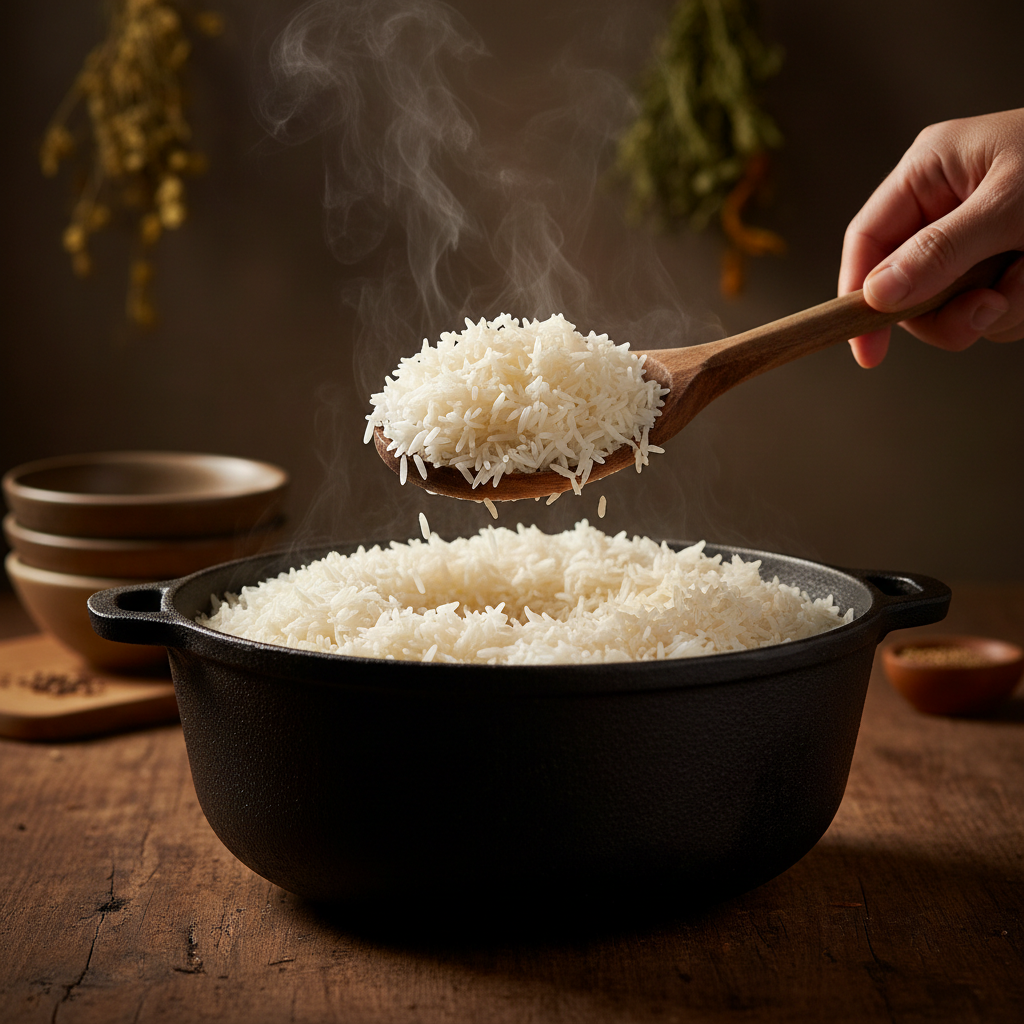
7 Reasons for Hard Rice After Cooking: Complete Guide to Perfect Fluffy Rice
Hard rice after cooking is primarily caused by an incorrect water-to-rice ratio, insufficient cooking time, or losing steam by lifting the lid too often.Hard rice after cooking is a common kitchen frustration. You've followed steps, yet the rice is crunchy. Cooking perfect rice can feel like a mysterious art, but it's a skill anyone can master. We'll demystify the process, turning crunchy frustration into fluffy perfection, making hard rice after cooking a thing of the past.
hard rice after cooking. Want to create your own custom recipes? Try our AI-powered recipe generator for personalized cooking solutions.
The Simple Science of Cooking Rice
hard rice after cooking. Cooking rice involves starch granules absorbing water and swelling, a process called gelatinization. Each grain absorbs hot water, softens, and expands. The goal is sufficient water and heat for enough time for every grain to gelatinize perfectly, resulting in a tender, fluffy texture.
hard rice after cooking. Hard rice means this process was interrupted or incomplete due to issues with water, heat, or time. Let's break down the most common culprits.
Top 7 Reasons Why You Get Hard Rice After Cooking
One or more of these issues likely causes less-than-perfect rice. Identifying the cause helps fix it for next time.
1. The Rice-to-Water Ratio Was Off
This is the primary cause of hard rice. Too little water means grains won't fully absorb and gelatinize. The classic 1 part rice to 2 parts water ratio isn't universal. The ideal ratio depends on rice type. For example, long-grain white rice (Jasmine or Basmati) often uses 1 part rice to 1.5 parts water, while brown rice needs more water (around 1:2.5) and more time. Always check package instructions. For a deep dive into how different grains absorb water, check out this guide from Serious Eats on rice ratios.
2. You Skipped the Rinse
Cloudy water when rinsing rice indicates excess surface starch. If not rinsed, this starch can make water gummy and prevent even absorption. Rinsing rice in a fine-mesh sieve under cool running water until the water runs mostly clear is crucial. It allows grains to cook up as separate, fluffy individuals rather than a sticky, unevenly cooked clump.
3. The Heat Was Too High (or Too Low)
Heat management is key. Bring water and rice to a rolling boil, then immediately reduce heat to the lowest setting for a gentle simmer, and cover. Too high heat causes water to boil off too quickly, leaving rice hard and dry. Too low heat won't generate enough steam, resulting in mushy bottom and crunchy top layers.
4. You Kept Lifting the Lid!
Every time you lift the lid, you release precious steam that cooks the rice. Trapped steam circulates and cooks rice from all sides, ensuring even cooking. As the experts at Serious Eats often remind us, trust the process. Keep that lid on tight!
5. The Cooking Time Was Incorrect
Cooking time varies by rice type. White rice might take 15-20 minutes, while brown rice can take 40-50 minutes. Pulling it off the heat too soon guarantees crunchy rice. Factors like cookware and altitude can also affect cooking time; high altitudes may require more time and water.
6. You Didn't Let It Rest
Once cooking time is up and water is absorbed, let the rice rest, off the heat, with the lid still on, for at least 10 minutes. This resting period allows moisture to redistribute, ensuring every grain has a perfect, fluffy texture. After resting, fluff with a fork and serve.
7. The Type of Pot Matters
A thin, flimsy pot causes hot spots and uneven heat distribution, leading to scorched bottom rice and undercooked top rice. A heavy-bottomed saucepan, Dutch oven, or a traditional Latin American caldero distributes heat evenly, preventing burning and promoting perfectly cooked grains.
Help! How to Fix Hard Rice
If your rice is still hard after cooking, don't despair! There are ways to salvage it.
The Emergency Steam Method: Add about 1/4 cup of water or broth to the pot, secure the lid tightly, turn heat to the lowest setting, and steam for another 5-10 minutes. This extra liquid and steam often finish the cooking process.
The Microwave Fix: For small portions, place in a microwave-safe bowl, sprinkle a tablespoon or two of water, cover with a damp paper towel or lid, and heat in 30-60 second intervals until tender.
When to Repurpose: Slightly undercooked rice works well for fried rice, as firm grains won't turn to mush. You can also add it to soups or stews, where it will soften. It's a great opportunity to check out our guide on how to make perfect fried rice.
Your Checklist for Perfect, Fluffy Rice Every Time
Let's recap with a simple checklist to banish hard rice from your kitchen for good.
- Measure Accurately: Use proper measuring cups for both rice and water, knowing the correct ratio for your specific rice type.
- Rinse Your Grains: Wash away excess starch under cool water until it runs clear.
- Use the Right Pot: A heavy-bottomed pot is essential for even heat distribution.
- Control Your Heat: Boil, then immediately drop to a low, gentle simmer.
- Don't You Dare Peek: Keep the lid on for the entire simmer time to trap the steam.
- Let It Rest: Always let the rice steam off the heat for 10 minutes before fluffing.
- Toast for Flavor: For an extra layer of nutty flavor, try toasting your dry rice in a little oil before adding water. This works wonders in Latin and Mexican dishes! Learn more about the art of toasting grains here.
Mastering rice is a journey. Don't be discouraged if it takes a few tries. Soon enough, you'll be able to whip up a pot of perfect, fluffy rice for your favorite our favorite arroz con pollo recipe without even thinking about it.
What's your biggest rice challenge? Share your stories and questions in the comments below—we're all in this together!
Conclusion
Achieving perfect, fluffy rice consistently is a culinary skill anyone can master by understanding the science behind it. The most common culprits for hard rice are incorrect water-to-rice ratios, skipping the rinse, improper heat management, lifting the lid too often, insufficient cooking time, not allowing it to rest, and using a thin pot. By following a few simple steps—accurate measuring, rinsing, using the right pot, controlling heat, keeping the lid on, and allowing rest—you can ensure perfectly cooked, fluffy rice every time.
```Frequently Asked Questions
Why is my rice hard after cooking even with enough water?
Even with enough water, hard rice after cooking can be caused by insufficient cooking time or losing too much steam by frequently lifting the lid. The heat might also be too high initially, causing the water to evaporate before the rice fully cooks.
What is the main reason for hard rice after cooking?
The primary reason for hard rice after cooking is an incorrect water-to-rice ratio. Too little water prevents the rice grains from fully absorbing moisture and gelatinizing properly.
How can I prevent hard rice after cooking if my ratio is correct?
If your water-to-rice ratio is correct, prevent hard rice after cooking by ensuring you don't frequently lift the lid, which allows steam to escape. Also, proper heat management – bringing to a boil then simmering – and sufficient cooking time are crucial.
Does rinsing rice affect hard rice after cooking?
Yes, skipping the rinse can contribute to hard rice after cooking. Excess surface starch, left un-rinsed, can make the cooking water gummy and prevent uniform water absorption by the grains.
My brown rice is always hard after cooking, what ratio should I use?
If your brown rice is always hard after cooking, adjust your water-to-rice ratio. Brown rice typically requires more water and time than white rice, often needing around 1 part rice to 2.5 parts water.