
Why Are My Potatoes Still Hard After Cooking? (5 Fixes)
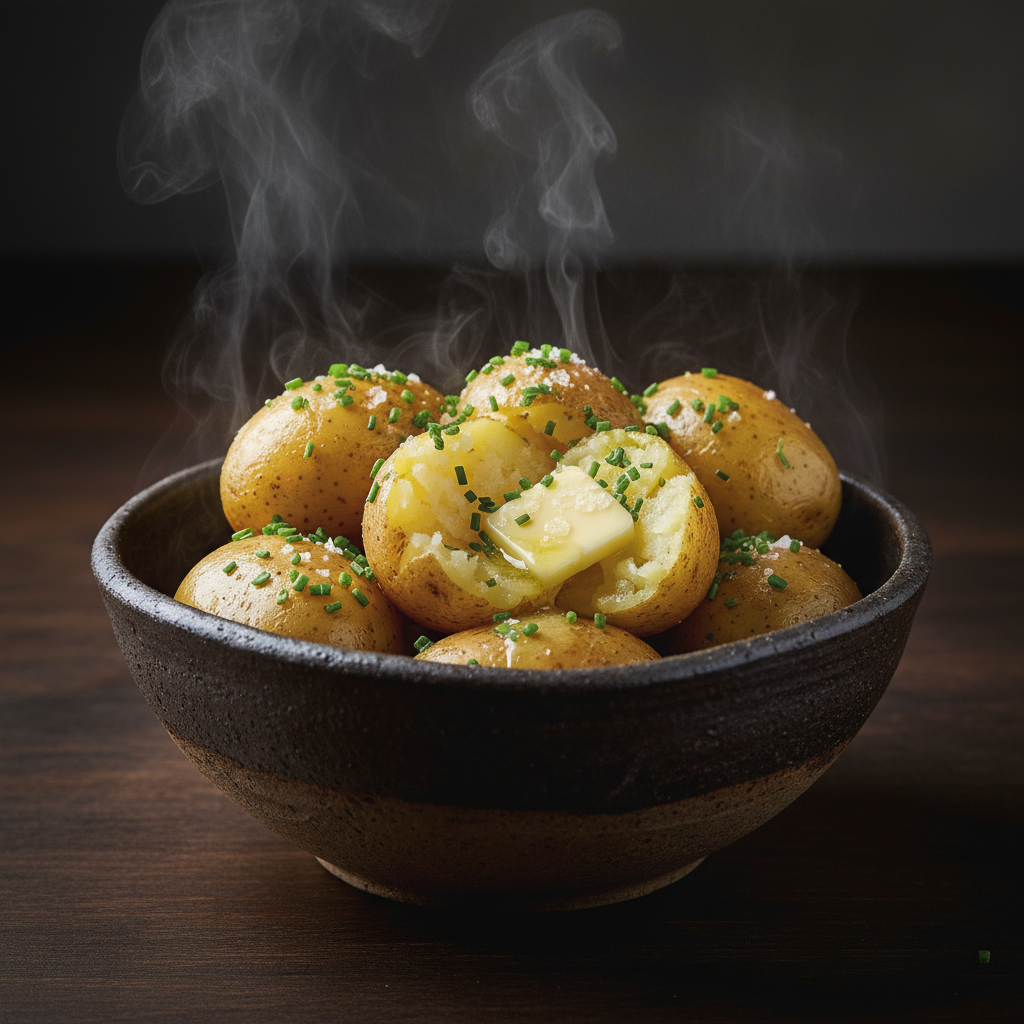
Potatoes soften when starch granules absorb water and expand. Low temperature or acidic ingredients can stop that process.
1. Choosing the Right Potato Variety
Selecting the wrong potato type is a common reason for hardness. Waxy potatoes (red, new, fingerlings) have high moisture and low starch, keeping their cell walls intact during cooking. They are ideal for salads but will remain firm and can become gummy if mashed. Starchy potatoes (Russets, Idaho, Maris Pipers) have high starch and low moisture, allowing their cell walls to collapse easily when cooked. This yields a light, airy, and tender result, making them perfect for mashing or baking. Yukon Golds offer a versatile middle ground. For truly tender or mashed potatoes, always opt for a high-starch variety; waxy potatoes won't deliver the desired softness.2. Mastering the Cold Water Start
Starting temperature significantly impacts potato tenderness. Plunging cold potatoes into boiling water cooks the exterior rapidly, creating an insulating layer that prevents heat from reaching the core. This results in potatoes that are mushy outside but firm inside. Always begin cooking with cold water. Place prepared potatoes in a pot, cover with at least an inch of cold water, and add 1-2 tablespoons of kosher salt. The salt seasons the potatoes from the inside out. Gradually bring to a boil. This slow, even heating ensures uniform cooking from center outwards, preventing a hard core.3. Achieving Proper Doneness Through Uniformity and Timing
Even with the correct variety and cold water start, inconsistent sizing and inadequate testing can leave potatoes hard. Different sized pieces cook unevenly; smaller ones turn to mush while larger ones remain firm. Relying solely on a timer is unreliable due to variations in potato age, variety, and stovetop heat. Cut all potatoes into roughly the same size. If boiling whole, select similarly sized potatoes. Test for doneness by gently piercing the largest piece with a fork or knife tip; it should slide in with no resistance. If you feel any firmness, continue cooking and re-testing every few minutes until perfectly tender.4. Counteracting Hard Water Mineral Content
Hard water, high in calcium and magnesium, can hinder potato tenderness. Calcium ions strengthen pectin in potato cell walls, making them resistant to softening. This can result in dense, rigid potatoes even after prolonged boiling. Add about 1/4 teaspoon of baking soda to your cooking water. Baking soda neutralizes acidity and mineral compounds, allowing pectin to break down more easily. For extremely hard water, consider using filtered or bottled water to eliminate mineral interference. Check your local municipal water report if this remains a consistent issue.5. Optimizing Proper Potato Storage Conditions
Improper storage, especially in cold environments, can make potatoes resistant to softening. Low temperatures (below 40°F/4°C) convert starch into sugars. This alters cell structure, making potatoes waxy, dense, and less likely to break down, regardless of cooking time. Sprouting or deteriorating potatoes also have compromised internal compositions, leading to tough spots. Store potatoes in a cool, dark, and dry place, ideally between 45-55°F (7-13°C), such as a pantry or cellar, not the refrigerator. Keep them out of direct sunlight. Use a breathable container like a mesh bag or open basket to ensure air circulation and prevent moisture buildup. Avoid sealed plastic bags. Regularly inspect and use potatoes before they sprout or soften.Conclusion
Achieving perfectly tender potatoes every time is entirely within your grasp by addressing these five key areas. By implementing these fixes, you'll consistently enjoy fluffy, tender potatoes, elevating your culinary results.why do my potatoes stay hard is important to understand.
why do my potatoes stay hard is important to understand.
why do my potatoes stay hard is important to understand.
why do my potatoes stay hard is important to understand.
why do my potatoes stay hard is important to understand.
why do my potatoes stay hard is important to understand.
why do my potatoes stay hard is important to understand.
Common Mistakes to Avoid
Even with the best techniques, there are several pitfalls that can derail your progress. Here are the most common mistakes people make and how to avoid them.
Rushing the Process
One of the biggest mistakes is trying to rush through the steps. Take your time and focus on getting each step right. Quality matters more than speed when you're learning a new technique.
Skipping Key Steps
Every step in this process is there for a reason. Skipping even one can significantly impact your results. Make sure you complete each step thoroughly before moving on to the next.
Not Adjusting for Your Specific Situation
While these techniques work in most cases, you may need to make small adjustments based on your specific circumstances. Pay attention to what works best for you and don't be afraid to make modifications.
Prevent This Next Time
Start potatoes in cold water, cut to uniform size, and bring to a gentle boil. Avoid adding acidic ingredients (vinegar, tomatoes) until potatoes are fully cooked.
Frequently Asked Questions
Why are my potatoes still hard after boiling?
Usually because the water wasn't at a proper boil, pieces were cut unevenly, or acidic ingredients were added too early — acid strengthens cell walls and prevents softening.
Can you fix hard potatoes?
Yes — return them to boiling water without any acidic ingredients and cook until a fork slides in easily. Add a pinch of baking soda to help soften them faster.
Does potato variety affect cooking time?
Absolutely. Waxy potatoes (red, new) hold their shape and stay firmer, while starchy potatoes (Russet, Maris Piper) break down easily and cook faster.