
Stop Blaming Your Rice Cooker — THIS Is Why Rice Goes Mushy
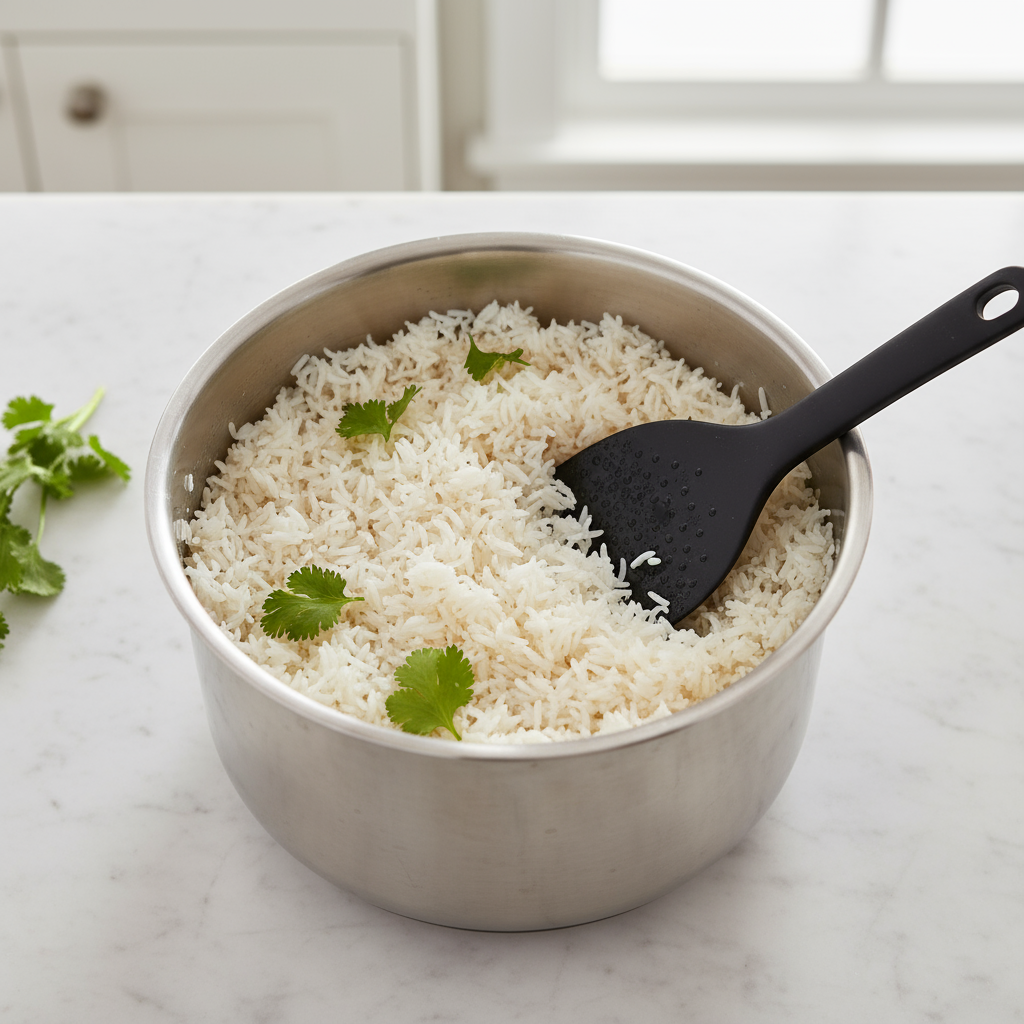
Rice Cooker Mushy Rice? 5 Reasons Why & How to Fix It - Guide
Rice cooker mushy rice is typically caused by an incorrect water-to-rice ratio, not rinsing the rice, using the wrong rice type, not allowing it to rest, or an issue with your rice cooker.
The Sticky Science: Why Rice Gets Mushy
Understanding what’s happening inside the grain is key. Rice grains contain amylose and amylopectin starches. Long-grain rice (basmati, jasmine) is high in amylose, resulting in separate grains. Short-grain rice (risotto, sushi) is high in amylopectin, making it sticky. When cooked, starches absorb water and swell. Too much water or excess surface starch causes grains to absorb too much liquid, burst, and release more starch, creating a gummy consistency. Understanding the science behind perfect rice helps prevent mushiness.5 Reasons for Rice Cooker Mushy Rice (And How to Fix Them)
Here are the five most common culprits behind rice cooker mushy rice and how to fix them.1. The Water-to-Rice Ratio is Off
This is the primary reason for mushy rice. Cooker markers aren't always accurate for all rice varieties. **The Problem:** Too much water. Grains become super-saturated, break down, and release excess starch. **The Fix:** Use a measuring cup for both rice and water. A good starting point for most long-grain white rice (jasmine or basmati) is a **1:1 ratio by volume**. For brown rice, try closer to 1:1.25. Experiment to find the perfect ratio for your rice and machine.2. You Skipped the Rinse
Rinsing is crucial for fluffy rice. **The Problem:** Rice is covered in fine starch powder from milling. If not washed off, it dissolves, creating a starchy sludge that glues grains together. **The Fix:** Place measured rice in a fine-mesh sieve or bowl. Rinse under cold water, swishing grains, until the water runs mostly clear. This simple step significantly improves texture and is one of the key reasons why rinsing rice is so important, as highlighted by Harvard T.H. Chan School of Public Health.3. You're Using the Wrong Type of Rice
Not all rice is created equal. **The Problem:** Short-grain rice (Arborio or sushi rice) is naturally high in amylopectin, designed to be creamy and clumpy. This is ideal for risotto or sushi, but not for a fluffy side dish. **The Fix:** For fluffy, separate grains, choose a long-grain rice variety. **Basmati** and **Jasmine** are popular, reliable choices. They are high in amylose starch, which helps them stay distinct. Save short-grain varieties for when you want a sticky texture.4. You're Impatient: Not Letting It Rest
Opening the lid immediately after cooking can lead to a mushy bottom and dry top. **The Problem:** When the cooking cycle finishes, moisture is not yet evenly distributed. The rice at the bottom is wetter. Opening the lid immediately lets steam escape and halts cooking prematurely. **The Fix:** Once the cooker switches to “keep warm,” let it sit, lid on, for at least **10 minutes** (15 is better). This “resting” period allows residual heat and steam to finish cooking and moisture to redistribute evenly. Only after this rest should you open the lid and fluff the rice.5. Your Rice Cooker Might Need a Check-Up
Sometimes, the problem is the equipment. **The Problem:** A worn-out lid gasket can let steam escape, affecting pressure. A faulty sensor might cause overcooking. Or, you might be using the wrong setting (e.g., “porridge” for white rice). **The Fix:** First, double-check you're using the correct setting in your manual. Inspect the lid seal; replace if cracked or brittle. If problems persist with an old cooker, it might be time for a replacement.Recipe: Foolproof Fluffy Rice Cooker Rice
This is a never-fails recipe for perfectly fluffy basmati rice in the rice cooker. It’s the perfect side for everything from a rich beef bourguignon to a fragrant Thai green curry.Ingredients
- 1 cup (200g) high-quality Basmati rice
- 1 cup (240ml) cold water
- 1/2 teaspoon fine sea salt
- 1 teaspoon unsalted butter or olive oil (optional)
Recipe Information
- Prep time: 5 minutes
- Cook time: 15-20 minutes
- Resting time: 10 minutes
- Total time: 30-35 minutes
- Servings: 3-4
- Difficulty: Easy
Instructions
- Measure the Rice: Use a standard measuring cup for 1 cup of basmati rice.
- Rinse Thoroughly: Place rice in a fine-mesh sieve. Rinse under cold running water, swirling grains, until water is mostly clear (1-2 minutes). Shake to remove excess water.
- Combine Ingredients: Transfer rinsed rice to the inner pot. Add 1 cup cold water, salt, and optional butter or olive oil. Stir.
- Cook: Place inner pot in cooker, close lid, and press “cook” or “white rice.”
- REST! (The Crucial Step): Once the cycle finishes and switches to “keep warm,” DO NOT open the lid. Let rice rest and steam for 10 minutes.
- Fluff and Serve: After 10 minutes, open lid. Use a rice paddle or fork to gently fluff grains from the bottom up. Serve immediately.
Pro Tips for This Recipe
- Toast Your Rice: For a nuttier flavor, toast dry (unrinsed) rice in the pot with a little oil for 2-3 minutes before adding water.
- Adjust Water for Texture: If your rice is consistently too firm, add 1-2 tablespoons more water next time. If too soft, reduce by 1-2 tablespoons.
- Don't Peek: Resist the urge to lift the lid during cooking. This releases steam and heat, affecting the cooking process.
- Scale Up or Down: This 1:1 ratio works for larger batches too, but ensure your rice cooker has enough capacity.
- Add Flavor: Cook with chicken or vegetable broth instead of water for extra flavor. Add a bay leaf or a few cardamom pods for aromatic rice.
Conclusion
Achieving perfect, fluffy rice in your rice cooker is entirely possible by understanding and addressing common issues. By focusing on the correct water-to-rice ratio, thorough rinsing, selecting the right rice type, allowing adequate resting time, and ensuring your appliance is functioning correctly, you can consistently avoid mushy results. These simple adjustments will elevate your rice cooking from frustrating to foolproof.Frequently Asked Questions
Why does my rice cooker make mushy rice even after I rinse it?
Even with rinsing, your rice cooker could still be producing mushy rice due to an incorrect water-to-rice ratio, or because you're using a rice type too high in amylopectin for a fluffy dish. For long-grain white rice, try a 1:1 ratio by volume, and ensure you're not using short-grain varieties if you desire separate grains.
What is the ideal water-to-rice ratio to prevent mushy rice in a rice cooker?
For most long-grain white rice varieties like Jasmine or Basmati in a rice cooker, a good starting point is a 1:1 volume ratio of water to rice. You might need to slightly adjust this based on your specific rice and cooker, potentially closer to 1:1.25 for brown rice, to avoid mushy rice.
Does rinsing rice really make a difference for mushy rice from a cooker?
Absolutely, rinsing rice is crucial to prevent mushy rice from a cooker. It washes away the excess surface starch that, if left on, can dissolve during cooking and create a gummy, sludgy consistency that glues the grains together.
Why is my short-grain rice always turning into mushy rice in the cooker?
Short-grain rice, like Arborio or sushi rice, is naturally high in amylopectin, which makes it inherently sticky and clumpy, not fluffy. If you're aiming for separate grains and consistently getting mushy rice, try switching to a long-grain variety like Basmati or Jasmine.
Besides water ratio and rinsing, what else causes mushy rice in a rice cooker?
Beyond incorrect water ratios and skipping the rinse, using the wrong rice type (e.g., short-grain for a fluffy dish) can lead to mushy rice. Not allowing the cooked rice to rest after the cycle, or even an issue with your rice cooker's heating elements or seals, can also be culprits.
```