
why does my rice cook unevenly: Why Is My Rice Unevenly Cook
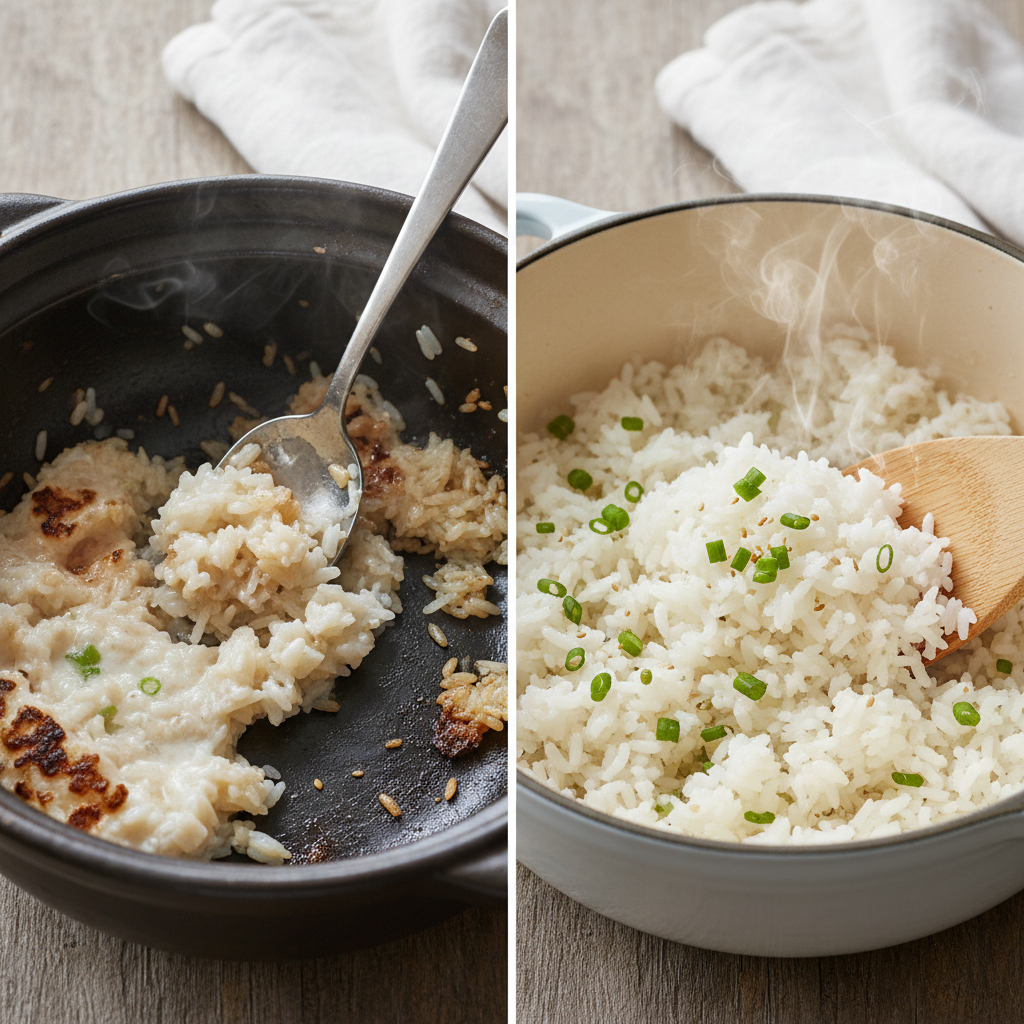
why does my rice cook unevenly. There’s nothing quite like the disappointment of lifting the lid on your rice, expecting fluffy perfection, only to find a culinary conundrum. The bottom is a bit mushy, maybe even slightly scorched, while the top layer is still unpleasantly crunchy. It’s a common frustration that can ruin a meal! So, why does my rice cook unevenly? It usually boils down to a few key culprits: an incorrect water-to-rice ratio, uneven heat distribution, or simply not letting the rice rest properly. But don't worry, we're about to turn that inconsistent pot of rice into a thing of the past.
why does my rice cook unevenly. Want to create your own custom recipes? Try our AI-powered recipe generator for personalized cooking solutions tailored to your ingredients and preferences.
The Science Behind Unevenly Cooked Rice
why does my rice cook unevenly. Cooking rice perfectly involves starch gelatinization, where starch molecules absorb water, swell, and soften. Uneven cooking occurs when this process is disrupted by "hot spots" or improper steam management.
why does my rice cook unevenly. If your pot has hot spots, rice at the bottom cooks faster, leading to mushy grains before the top layer hydrates. High heat causes water to boil away too quickly, preventing steam from cooking the top layer, resulting in crunchy, undercooked rice.
| Condition | Result |
|---|---|
| Even, Low Heat | Water absorbed evenly, steam cooks top layer. Result: Fluffy, perfect rice. |
| High, Uneven Heat | Bottom boils rapidly, water evaporates too fast. Result: Mushy/burnt bottom, crunchy top. |
| Lid Lifted Frequently | Steam escapes, temperature drops. Result: Top layer remains undercooked. |
7 Quick Fixes for Unevenly Cooked Rice
1. The Right Water Ratio is Everything
The Problem: Incorrect water amounts lead to either mushy or undercooked rice.
The Fix: For most long-grain white rice, use 1 cup of rice to 1.5-2 cups of water. Always check package instructions. The "first knuckle" method (water to your first knuckle when your finger touches the rice surface) offers a visual guide.
Pro Tip: A kitchen scale provides consistent, accurate measurements by weight.
2. Rinse That Starch Away
The Problem: Excess surface starch creates a thick, gluey slurry, hindering even water absorption and causing clumpy rice.
The Fix: Rinse rice in a fine-mesh sieve under cool water until the water runs clear. This promotes separate, fluffy grains.
Pro Tip: Do not rinse rice for dishes like risotto or paella, where starch is desired for creaminess.
3. Choose the Right Cooking Vessel
The Problem: Thin-bottomed pots cause hot spots and burning. A pot too wide for the rice allows water to evaporate too quickly.
The Fix: Use a heavy-bottomed saucepan or Dutch oven for even heat distribution. The rice and water should fill the pot no more than halfway.
Pro Tip: A heat diffuser can help if you have a thin pot, providing a more gentle heat source.
4. Don't Peek! Keep that Lid On
The Problem: Lifting the lid releases steam, which is crucial for cooking the top layer of rice. This drops temperature and stalls cooking.
The Fix: Use a pot with a tight-fitting lid. A glass lid allows monitoring without lifting. Once covered and simmering, avoid peeking for 15-18 minutes.
Pro Tip: A clean kitchen towel between the pot and lid can improve the seal and trap more steam (ensure it's away from flames).
5. Let It Rest (The Most Important Step)
The Problem: Fluffing rice immediately after cooking prevents moisture redistribution, leaving the bottom wetter than the top.
The Fix: After water is absorbed, turn off the heat and let the covered pot rest for 10-15 minutes. Residual heat and steam will finish cooking and evenly redistribute moisture.
Pro Tip: Use a fork or rice paddle to fluff after resting, separating grains without mashing.
6. Master Your Heat Management
The Problem: High heat throughout cooking scorches the bottom and leaves the rest crunchy.
The Fix: Bring rice and water to a rolling boil, stir once, then immediately reduce heat to the lowest setting. Cover and simmer gently.
Pro Tip: Match burner size to your pot's base for even heating.
7. The 'Ice Cube' Trick for a Quick Save
The Problem: Unevenly cooked rice after the fact, with hard spots.
The Fix: Drizzle 2-3 tablespoons of water or place an ice cube on hard spots. Cover tightly and return to very low heat for 5-10 minutes. The steam will cook stubborn grains without overcooking the rest.
why does my rice cook unevenly is important to understand. why does my rice cook unevenly is important to understand. why does my rice cook unevenly is important to understand. Now you have all the tools you need to solve this problem. Remember, the key is to be patient and follow these steps carefully. With practice, you'll master this technique and never face this issue again. If you found this guide helpful, share it with others who might benefit from these tips.Conclusion
Frequently Asked Questions
Why does my rice cook unevenly with a mushy bottom and crunchy top?
This often happens due to uneven heat distribution and improper steam management. If your pot has "hot spots," the bottom rice cooks faster and becomes mushy, while high heat causes water to evaporate too quickly, preventing steam from fully cooking the top layer.
What is the correct water-to-rice ratio to prevent my rice from cooking unevenly?
For most long-grain white rice, a good starting point is 1 cup of rice to 1.5-2 cups of water. Always check the specific package instructions, as ratios can vary by rice type. Using a kitchen scale for precise measurements can also greatly improve consistency.
How does rinsing rice help if my rice cooks unevenly?
Rinsing removes excess surface starch, which can create a sticky, glue-like layer. This layer hinders even water absorption during cooking, contributing to unevenly cooked and clumpy rice.
Are "hot spots" in my pot why my rice cooks unevenly?
Yes, hot spots are a primary reason. These areas heat more intensely, causing the rice directly above them to cook much faster and often turn mushy or even scorch, while other parts of the rice remain undercooked.
Why does frequently lifting the lid cause my rice to cook unevenly?
Lifting the lid allows steam to escape and drops the temperature inside the pot. This disrupts the vital steam cooking process for the top layer of rice, resulting in undercooked and crunchy grains.