
Why Do My Vegetables Stick to the Pan? 6 Simple Pro Fixes
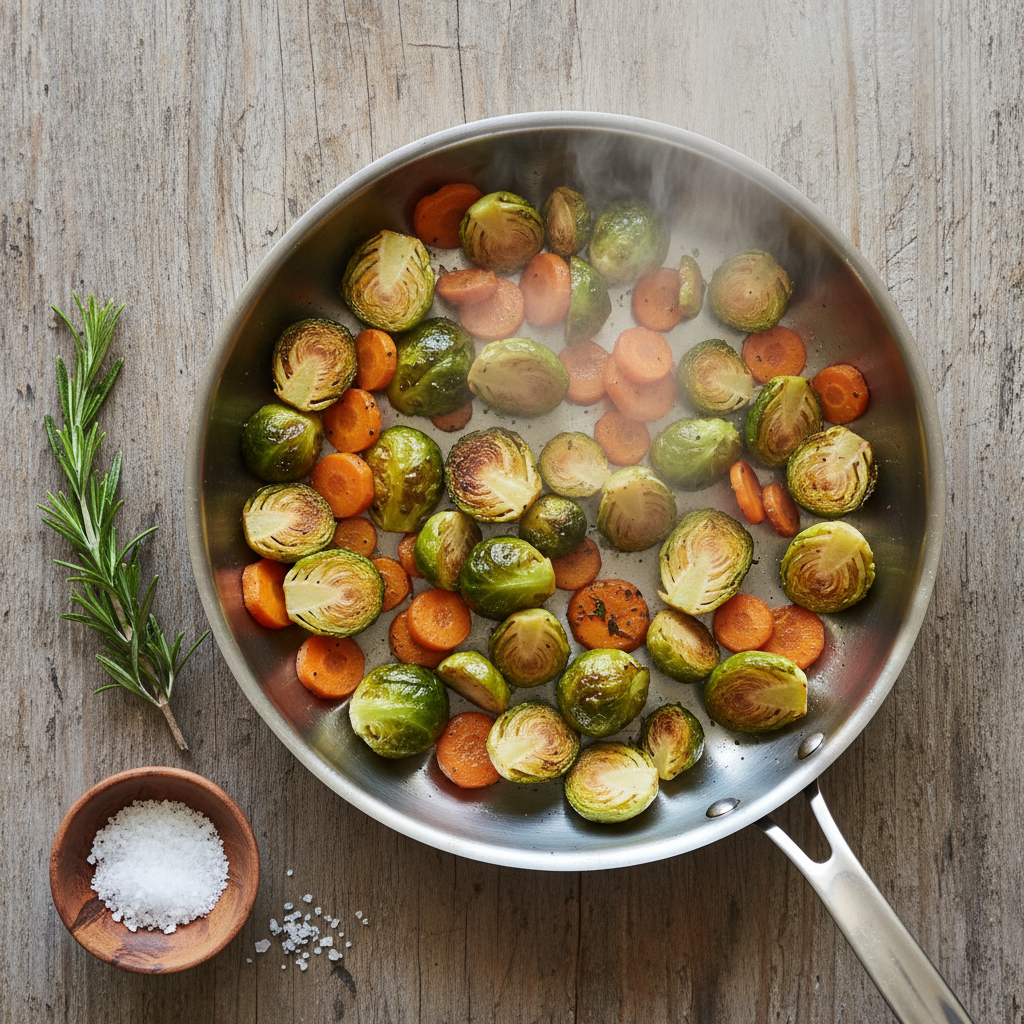
Why Do My Vegetables Stick to the Pan: 6 Reasons Your Vegetables Stick
Why Do My Vegetables Stick to the Pan. Vegetables stick to the pan primarily due to insufficient heat, too much moisture, overcrowding, using the wrong type or amount of cooking fat, or premature stirring.
Why Do My Vegetables Stick to the Pan. We've all faced the frustration of vegetables sticking to the pan. If you've ever asked, “Why do my vegetables stick to the pan?”, you're not alone. Understanding the *why* is the key to stick-free cooking.
Why Do My Vegetables Stick to the Pan. This guide will explore the science of sticking, pinpoint common culprits, and provide actionable steps for achieving a perfect, effortless sauté every time.
Why Do My Vegetables Stick to the Pan. Want to create your own custom recipes? Try our AI-powered recipe generator for personalized cooking solutions tailored to your ingredients and preferences.
The Simple Science of Sticking
Why Do My Vegetables Stick to the Pan. Even smooth pans have microscopic pores. When food hits a cool or unevenly heated pan, proteins and sugars from vegetables can seep into these pores. As the pan heats, these proteins form a chemical bond with the metal. This is especially true for delicate, high-sugar vegetables. This bonding, while related to the desirable Maillard reaction, causes sticking when it occurs *to* the pan.
Why Do My Vegetables Stick to the Pan. The goal is to create a barrier between food and the pan, and to use heat effectively.
The 6 Main Reasons Your Vegetables Stick to the Pan
Sticking usually stems from one or more of these common mistakes.
1. Your Pan Isn't Hot Enough
This is the primary cause. Adding vegetables to a cold or lukewarm pan leads to sticking. A properly preheated pan expands, closing microscopic pores. When oil is added to a hot pan, it heats instantly, creating a thin, slippery layer. This is the "Hot pan, cold oil" principle. The oil forms a barrier, preventing direct contact. If the pan is cold, oil just sits, and food bonds with the metal as it heats.
2. You're Using the Wrong Pan
Some pans are more prone to sticking. Understanding your cookware helps.
- Non-Stick Pans: Forgiving for delicate items, but often don't achieve a deep sear.
- Stainless Steel Pans: Professional choice; heats evenly, durable, great for browning. Most likely to stick if technique is off.
- Cast Iron Skillets: Well-seasoned cast iron has a natural non-stick surface and retains heat. Sticking may indicate needing to refresh your seasoning.
3. Your Vegetables Are Too Wet
Water and oil repel. If vegetables are wet, water turns to steam in a hot pan, lowering the temperature and preventing contact with hot oil. This steams and softens vegetables, causing them to stick as water evaporates. Always pat vegetables thoroughly dry before cooking.
4. You're Overcrowding the Pan
Adding too many vegetables at once drastically lowers pan temperature, trapping steam and preventing proper searing. This results in soggy, sticky vegetables. Cook in batches to allow vegetables space and ensure a sizzle, not a steam.
5. You're Not Using Enough Fat (or the Right Kind)
Fat is crucial for preventing sticking, creating a barrier. A light spray is often insufficient. You need a thin, even layer covering the pan bottom.
The type of fat matters. Use an oil with a high smoke point for high-heat sautéing. Olive oil might burn. Opt for neutral oils like avocado, sunflower, rapeseed (canola), or ghee.
6. You're Stirring Too Soon
Patience is vital. Vegetables need time to form a crust when they first hit a hot pan. This crust allows them to release naturally. Stirring too early breaks this bond, tearing the vegetable and leaving bits stuck. Let vegetables sit undisturbed for a few minutes. They will release when ready; if not, give them another 30-60 seconds.
Your Foolproof Guide to Stick-Free Vegetables
Follow this ritual for stick-free sautéing:
- Prep Your Veggies: Chop uniformly. Most importantly, pat them completely dry.
- Choose Your Pan: Use a stainless steel or cast iron skillet, large enough for a single layer of vegetables.
- Preheat the Pan: Heat the empty pan over medium-high heat. Test with a water drop: if it sizzles and evaporates, it's hot; if it beads and dances, it's perfect.
- Add Your Fat: Once hot, add oil. It should shimmer immediately. Swirl to coat.
- Add Your Vegetables: Place vegetables in a single layer. You should hear a confident sizzle. If not, the pan wasn't hot enough. Cook in batches if needed.
- Be Patient! Do not stir immediately. Let vegetables sit undisturbed for several minutes to form a golden-brown crust. They will naturally release when ready.
What About Roasting in the Oven?
Sticking also occurs on baking sheets. The principles are similar: heat, fat, and moisture are key.
To prevent sticking when roasting, toss vegetables generously with oil in a bowl first. Use a high oven temperature (typically 200-220°C / 400-425°F). For best results, line your baking sheet with parchment paper. Avoid overcrowding the pan.
Recipe: Perfect Pan-Seared Brussels Sprouts with Balsamic Glaze
Brussels sprouts, high in sugar, are prone to sticking but caramelize beautifully. This recipe tests your new skills.
Ingredients
- 1 lb (about 450g) Brussels sprouts, trimmed and halved
- 2 tablespoons avocado oil or other high-smoke-point oil
- 3 cloves garlic, thinly sliced
- 1/2 teaspoon salt
- 1/4 teaspoon black pepper
- 2 tablespoons balsamic vinegar
- 1 teaspoon honey or maple syrup
Instructions
- Prep the Sprouts: Wash, trim, halve, and thoroughly pat Brussels sprouts dry.
- Preheat Your Pan: Heat a large stainless steel or cast iron skillet over medium-high heat for 2-3 minutes. Perform the water drop test.
- Add Oil, Then Sprouts: Add avocado oil to the hot pan; it should shimmer. Immediately add Brussels sprouts, cut-side down, in a single layer. Sprinkle with salt and pepper.
- Don't Touch!: Cook undisturbed for 4-5 minutes to develop a deep brown crust. Resist stirring; they will release when ready.
- Stir and Cook: Once cut sides are golden brown, toss the sprouts. Continue cooking, stirring occasionally, for 3-4 minutes until tender-crisp.
- Add Garlic: Add sliced garlic and cook for 1 minute, stirring constantly until fragrant. Do not burn.
- Deglaze: Whisk balsamic vinegar and honey. Pour into the hot pan. It will bubble vigorously. Stir constantly, scraping up browned bits, until the liquid reduces to a glaze (30-60 seconds).
- Serve: Remove from heat and serve immediately.
Conclusion
Preventing vegetables from ```
Frequently Asked Questions
Why do my vegetables stick to the pan even when using non-stick cookware?
Even with non-stick pans, vegetables can stick if the pan isn't hot enough, if there's too much moisture, or if you're overcrowding the pan. Non-stick pans are forgiving, but proper technique, like preheating and not overcrowding, is still crucial for truly stick-free cooking.
What is the "Hot pan, cold oil" principle and how does it help prevent vegetables from sticking to the pan?
The "Hot pan, cold oil" principle means you heat your pan thoroughly *before* adding the oil, then add the oil just before your food. A properly preheated pan expands, closing microscopic pores, and when oil is added to this hot surface, it instantly forms a thin, slippery barrier that prevents direct contact between your vegetables and the metal.
Why do my vegetables stick to the stainless steel pan specifically?
Stainless steel pans are excellent for browning but are more prone to sticking if your technique isn't precise. The most common reasons are not preheating the pan sufficiently (leading to metal pores bonding with food) or not using enough cooking fat to create a good barrier.
Can too much moisture cause my vegetables to stick to the pan?
Yes, too much moisture is a significant factor in why vegetables stick to the pan. Excess water lowers the pan's temperature, steaming the vegetables instead of searing them, and makes it harder for oil to create a protective barrier, encouraging direct contact and sticking.
What types of vegetables are most likely to stick to the pan?
Delicate vegetables and those with a higher sugar content are most likely to stick to the pan. Their proteins and sugars can more easily bond with the pan's surface, especially if the pan isn't properly heated or insufficient fat is used.