
Why Are My Sautéed Vegetables Watery? 5 Quick Fixes - Guide
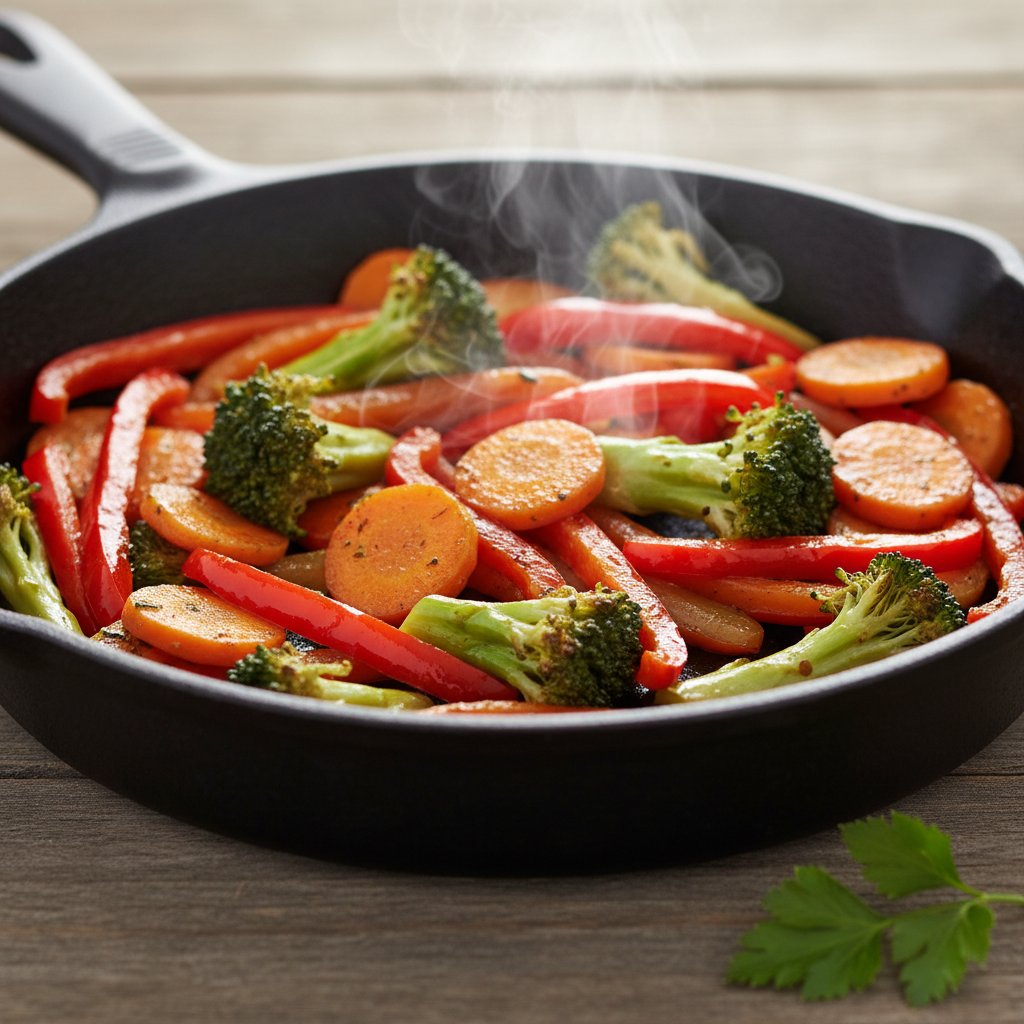
Why Are My Sautéed Vegetables Watery? 5 Quick Fixes - Guide
Your sautéed vegetables are watery because they release moisture faster than it evaporates, often due to overcrowding, insufficient heat, or excess surface water.Why Are My Sautéed Vegetables Watery. Want to create your own custom recipes? Try our AI-powered recipe generator for personalized cooking solutions tailored to your ingredients and preferences.
Quick Science: Why Vegetables Release Water
Why Are My Sautéed Vegetables Watery. Vegetables are mostly water. When heated, cell walls break down, releasing this water. Sautéing aims to evaporate this water quickly, allowing vegetables to brown and caramelize instead of boiling.
5 Quick Fixes for Watery Sautéed Vegetables
Why Are My Sautéed Vegetables Watery. These 5 techniques will transform your sautéing, yielding crisp, caramelized vegetables every time.
Fix #1: Give Your Veggies Space (Don't Crowd the Pan!)
Why Are My Sautéed Vegetables Watery. Overcrowding is the primary cause of watery vegetables. It instantly drops the pan's temperature, trapping steam that condenses back into water, resulting in steamed, not sautéed, vegetables.
The Solution: Use your largest skillet and cook in batches. Vegetables should be in a single layer with space between them. This improves texture and flavor significantly.
Fix #2: Crank Up the Heat
Why Are My Sautéed Vegetables Watery. Sautéing requires high heat. If the heat is too low, water seeps out faster than it can evaporate, creating a puddle.
The Solution: Preheat your pan over medium-high to high heat for 2-3 minutes before adding oil. The pan should be hot enough that a drop of water sizzles and evaporates immediately. You should hear an aggressive sizzle when vegetables are added.
Fix #3: Pat Your Vegetables Bone Dry
Why Are My Sautéed Vegetables Watery. Excess surface water must evaporate before sautéing can begin.
The Solution: After washing, thoroughly dry your vegetables with a clean kitchen towel or paper towels. Use a salad spinner for leafy greens. For water-holding vegetables like zucchini or mushrooms, let them sit on towels for a few minutes. This simple step makes a huge difference.
Fix #4: Cut Vegetables into Uniform Pieces
Unevenly cut vegetables lead to inconsistent cooking and moisture release; smaller pieces overcook and release water while larger pieces remain raw.
The Solution: Take an extra minute to cut your vegetables into uniform, bite-sized pieces—roughly ½ to ¾ inch. This ensures even cooking and consistent browning. For dense vegetables like carrots or potatoes, cut them slightly smaller to cook at the same rate as softer vegetables.
Fix #5: Start with Harder Vegetables First
Throwing all vegetables in at once means some will be mushy while others are undercooked. Dense vegetables like carrots and broccoli release water more slowly than soft vegetables like zucchini and bell peppers.
The Solution: Use the staged cooking method. Start with dense vegetables (carrots, broccoli, cauliflower) for 3-4 minutes. Then add medium-density vegetables (peppers, onions). Finally, add quick-cooking vegetables (zucchini, mushrooms, leafy greens) in the last 2-3 minutes. This ensures everything finishes perfectly cooked at the same time.
Pro Tips for Perfect Sautéed Vegetables
Choose the Right Oil
For high-heat sautéing, use oils with high smoke points like avocado oil (520°F), grapeseed oil (420°F), or refined olive oil (465°F). Extra virgin olive oil has a lower smoke point and can burn, creating bitter flavors. For more information on cooking oils and their smoke points, you can refer to resources like Harvard T.H. Chan School of Public Health's guide on fats and oils.
Don't Stir Too Much
Resist constant stirring. Let vegetables sit undisturbed for 2-3 minutes to develop a golden-brown crust. Only stir or toss when good color develops.
Season at the Right Time
Salt draws out moisture. While a tiny pinch at the beginning is acceptable, save most seasoning for the very end of cooking to prevent excess water release during sautéing.
The Deglazing Trick
If liquid accumulates, turn the heat to high and let it evaporate completely. Once dry, vegetables will brown. You can also deglaze with wine, broth, or water, then cook it off completely for extra flavor.
Common Vegetables and Their Sauté Secrets
Zucchini and Summer Squash
These are high in water. Cut into ½-inch half-moons, salt lightly, and let sit in a colander for 10 minutes. Pat dry before cooking. Cook over high heat without crowding the pan.
Mushrooms
Wipe mushrooms clean with a damp cloth; avoid washing under running water. Cook in a single layer over high heat without moving them for the first 3-4 minutes for a golden crust.
Spinach and Leafy Greens
Spin them completely dry after washing. Add them last; they only need 1-2 minutes of cooking. Residual heat from other vegetables will wilt them perfectly.
Broccoli and Cauliflower
Cut into small, uniform florets. They benefit from a quick blanch (30 seconds in boiling water, then shocked in ice water) before sautéing to speed cooking and achieve crispy edges without burning.
Your Complete Sautéing Game Plan
Here's a quick checklist for perfect vegetables every time:
- Prep: Wash and thoroughly dry all vegetables. Cut into uniform pieces.
- Heat: Preheat your largest skillet over medium-high to high heat for 2-3 minutes.
- Oil: Add 1-2 tablespoons of high-smoke-point oil. Swirl to coat.
- Test: Flick a drop of water into the pan—it should sizzle and evaporate immediately.
- Cook: Add vegetables in a single layer (batch cooking if needed). Don't crowd!
- Patience: Let them sit for 2-3 minutes before stirring. Listen for that sizzle!
- Toss: Stir or toss, then let them sit again to develop more color.
- Season: Add salt, pepper, and herbs in the last minute of cooking.
- Serve: Remove from heat immediately when done. Enjoy your perfectly crisp vegetables!
Frequently Asked Questions
Why are my sautéed vegetables watery even when I use high heat?
Overcrowding the pan is the most common culprit. Even with high heat, too many vegetables create steam that can't escape. Cook in batches, using your largest skillet, ensuring vegetables are in a single layer with space.
Should I cover the pan when sautéing vegetables?
No. Covering traps steam and moisture, which we want to avoid. Keep the pan uncovered for evaporation. The only exception is briefly covering dense vegetables for 1-2 minutes to speed cooking, then removing the lid to finish browning.
Can I sauté frozen vegetables without getting a watery mess?
Yes, with modifications. Thaw frozen vegetables completely and squeeze out as much water as possible. Pat them very dry. Use higher heat than normal and be prepared to cook off extra moisture. Fresh vegetables yield better results, but properly prepped frozen can work.
What's the best pan for sautéing vegetables?
A large (12-14 inch), heavy-bottomed stainless steel or cast iron skillet is ideal. These materials retain heat well for optimal browning. Non-stick pans work but don't brown as well and can't handle the highest heat.
How do I know when my vegetables are perfectly sautéed?
Look for three signs: golden-brown caramelized spots, slight char on edges, and tender-crisp texture (soft enough to bite through but still firm). They should smell sweet and caramelized, not bitter or burnt.
Conclusion
Achieving perfectly crisp, caramelized sautéed vegetables is simple once you understand and apply a few fundamental
```