
Forget Soggy Roasted Veggies — This Oven Trick Gets Them Crispy
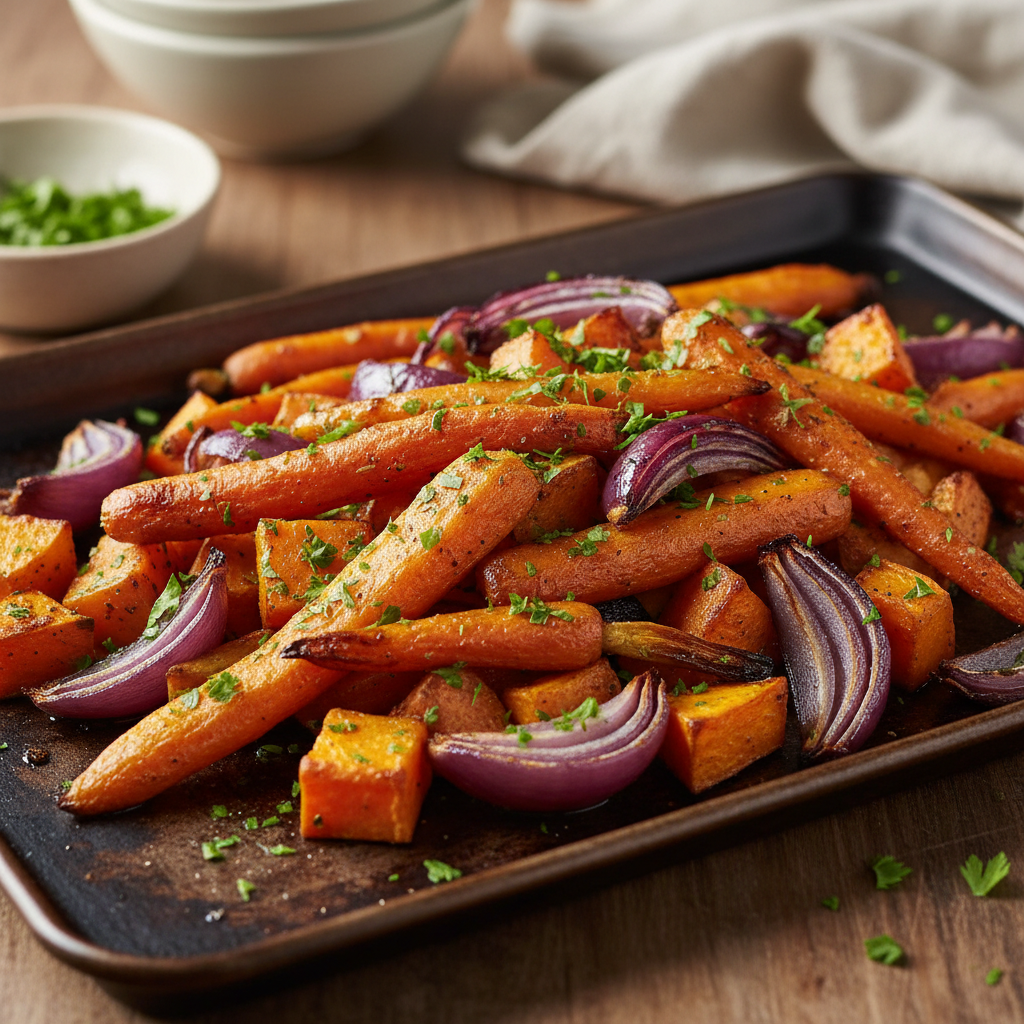
Why Do My Roasted Vegetables Come Out Soggy: 5 Reasons Why
why do my roasted vegetables come out soggy. Your roasted vegetables come out soggy primarily due to excess moisture, insufficient heat, and poor air circulation during cooking.
why do my roasted vegetables come out soggy. Tired of mushy, lifeless roasted vegetables? Achieving perfectly crispy, caramelized vegetables is simpler than you think with these actionable fixes.
why do my roasted vegetables come out soggy. Want to create your own custom recipes? Try our AI-powered recipe generator for personalized cooking solutions.
1. Optimize Spacing: Prevent Pan Crowding
why do my roasted vegetables come out soggy. Crowding is the most common culprit. Packing vegetables too tightly creates a steaming environment. As vegetables release moisture, it gets trapped, turning into steam. This steams, rather than roasts, leading to a limp texture. Lack of direct heat also prevents the Maillard reaction, crucial for flavor and browning.
why do my roasted vegetables come out soggy. Always spread vegetables in a single, uncrowded layer, aiming for at least half an inch of space around each piece. This allows optimal air circulation, letting moisture evaporate quickly and enabling dry heat to work. If you have too many vegetables, use a second baking sheet. This ensures every piece gets direct exposure to dry heat, allowing moisture to escape and promoting even browning for a crispy exterior.
2. Maximize Heat: The Optimal Oven Temperature
why do my roasted vegetables come out soggy. A lukewarm oven leads to soggy, undercooked vegetables. Roasting relies on high, intense heat for rapid moisture evaporation and caramelization. If your oven temperature is too low (below 400°F / 200°C), vegetables slowly warm, releasing moisture without enough energy to quickly evaporate. This results in puddles, causing vegetables to stew or steam rather than crisp and brown. Low heat extends cooking times, increasing moisture release without browning.
why do my roasted vegetables come out soggy. For crispy roasted vegetables, crank up the heat to 425-450°F (220-230°C). Denser root vegetables often do well at 425°F, while heartier, smaller vegetables like Brussels sprouts or broccoli benefit from 450°F for a good char. Always ensure your oven is fully preheated to the target temperature before adding vegetables. This ensures vegetables hit a consistently hot environment from the start, preventing premature moisture release. As Serious Eats explains, high heat is non-negotiable for crispy vegetables.
3. Select Wisely: The Right Baking Pan
Using the incorrect baking pan contributes significantly to soggy vegetables. Traditional casserole dishes or glass baking pans with high sides trap moisture, which is good for braises but detrimental to roasting. High walls restrict airflow and prevent moisture from escaping efficiently. The released steam gets trapped, steaming vegetables instead of roasting them. This leads to a lack of browning and a soft, watery texture.
Opt for a heavy-duty, rimmed baking sheet (half-sheet pan). These have low, shallow rims that allow maximum exposure to dry heat and excellent air circulation. The open design enables released moisture to quickly evaporate, promoting crispiness. The material matters: choose aluminum or uncoated stainless steel sheets, as they conduct heat more efficiently and evenly than glass or dark non-stick pans. Avoid high-sided pans for crispy, caramelized vegetables. The flat surface allows maximum contact with hot metal, crucial for searing and browning.
4. Ensure Dryness: Pat Them Bone Dry
Thoroughly drying vegetables before roasting is critical for crispiness. Water is the enemy of crispiness. If you roast wet vegetables, you provide extra moisture for the oven to steam off. Surface water must evaporate completely before browning and caramelization can begin. Lingering moisture creates a steamy pocket, hindering direct heat transfer and causing steaming instead of roasting.
Excess surface moisture creates an initial steaming phase, delaying the desirable Maillard reaction and leaving vegetables soft and waterlogged. The fix is simple: after washing, pat vegetables COMPLETELY dry. Use clean kitchen towels or paper towels to absorb every drop. You can even air-dry for 5-10 minutes after patting. They should feel bone-dry before oiling. This ensures that when vegetables hit the hot oven, energy immediately focuses on scorching and browning, not evaporating lingering water, leading to a much crisper end product.
5. Balance Oil: Not Too Much, Not Too Little
The amount of oil significantly impacts roasted vegetable texture. Oil conducts heat, transferring the oven's high temperature to vegetables, promoting browning and crispiness. However, balance is key. Too much oil leads to greasy, oil-logged vegetables that don't crisp, as they fry rather than roast. Excess oil prevents direct contact with the hot pan, hindering crisp exterior formation and trapping moisture. Too little oil results in dry, scorched, or unevenly cooked vegetables, lacking enough medium to conduct heat and achieve a golden-brown finish.
The trick is an even, light coating. Place completely dry, cut vegetables in a large mixing bowl. Drizzle with just enough oil—typically 2-3 tablespoons per pound, varying by vegetable type. Toss thoroughly until each piece is lightly and evenly coated. Vegetables should look glossy, not drenched. Using a bowl ensures consistent oil distribution, preventing pooling and ensuring each piece roasts perfectly without becoming greasy or dry. This thin layer of oil also promotes even browning.
Final Takeaway: Never Make Soggy Vegetables Again
Crispy roasted vegetables every time comes down to avoiding these 5 mistakes:
- Give them space: Arrange in a single layer with at least 1/2 inch spacing to prevent steaming.
- Crank the heat: Roast at 425-450°F (220-230°C) with a fully preheated oven for rapid moisture evaporation.
- Use the right pan: Opt for a low-sided, rimmed metal baking sheet to maximize airflow.
- Dry them completely: Pat vegetables bone-dry before oiling to eliminate surface moisture.
- Proper oil amount: Apply a light, even, glossy coating of oil – not drenched – for even heat conduction.
Conclusion
Achieving perfectly crispy roasted vegetables is entirely within reach by addressing common pitfalls. The key takeaways are to ensure proper spacing on your baking sheet, use a high oven temperature, select a low-sided metal baking sheet, thoroughly dry your vegetables, and apply just enough oil. By following these five actionable steps, you can consistently transform mushy vegetables into deliciously caramelized, crispy delights.
```Frequently Asked Questions
Why do my roasted vegetables come out soggy even after following recipes?
Your roasted vegetables likely come out soggy due to pan crowding, which creates steam instead of roasting. Ensure a single layer with at least half an inch of space around each piece to allow moisture to evaporate.
What is the ideal oven temperature to prevent my roasted vegetables from coming out soggy?
To avoid soggy roasted vegetables, preheat your oven to a high temperature, typically 425-450°F (220-230°C). This intense heat rapidly evaporates moisture and promotes caramelization for a crispy texture.
How does crowding the pan contribute to my roasted vegetables coming out soggy?
Crowding your baking sheet is a primary reason why your roasted vegetables come out soggy. When vegetables are packed too tightly, released moisture gets trapped, creating a steaming effect rather than allowing the dry heat of the oven to crisp them.
If my roasted vegetables are always soggy, what's a quick fix during preparation?
A quick fix if your roasted vegetables come out soggy is to use multiple baking sheets if necessary, ensuring everything is in a single, uncrowded layer. This maximizes air circulation and direct heat exposure, allowing moisture to escape.
Beyond temperature, what's crucial for perfectly crispy roasted vegetables so I don't ask why do my roasted vegetables come out soggy again?
Beyond optimal temperature, ensuring proper air circulation is crucial. Spread your vegetables out into a single layer on the baking sheet, leaving space between each piece to prevent steaming and allow moisture to evaporate effectively.