
7 Pro Tips to Fix Mushy Vegetables for Perfectly Crisp Results
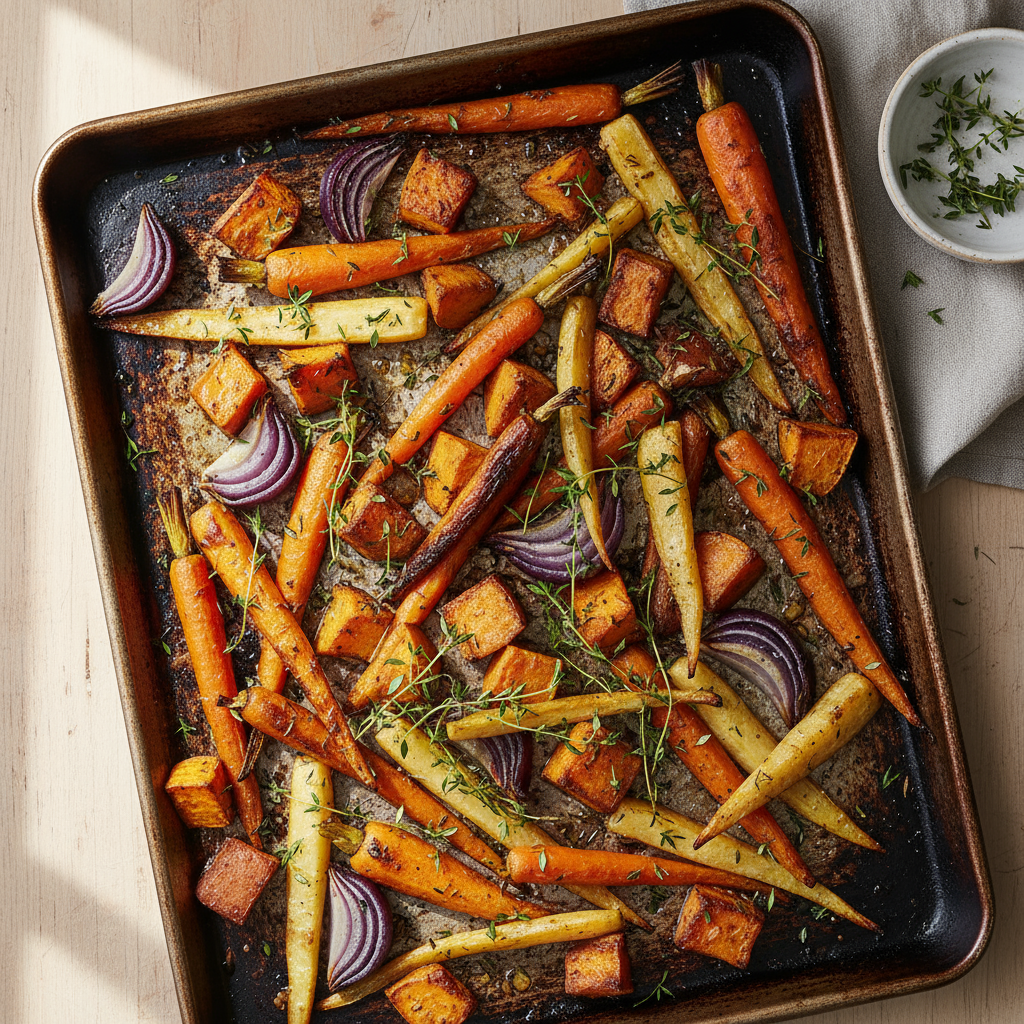
mushy vegetables: 7 Secrets to Perfectly Crisp Vegetables
Your vegetables are likely turning mushy due to overcrowding the pan, overcooking, uneven cutting, using wet-heat methods like boiling, not drying them thoroughly, salting too early, or insufficient heat during cooking.Mushy vegetables are a common culinary problem, but entirely fixable. Avoiding them isn't about secret chef magic; it’s about understanding food science and mastering a few key techniques. Once you know the culprits, you can avoid them like a pro.
mushy vegetables. This guide breaks down exactly why your vegetables turn to mush and provides seven simple, actionable secrets to guarantee perfectly cooked, delicious vegetables every single time. Get ready to say goodbye to sogginess forever!
mushy vegetables. Want to create your own custom recipes? Try our AI-powered recipe generator for personalized cooking solutions tailored to your ingredients and preferences.
The Science Behind Mushy Vegetables
mushy vegetables. Vegetables are made of cells with firm cell walls, held together by pectin. Heat breaks down pectin and ruptures cell walls as water expands. Some breakdown makes vegetables tender; too much collapses the structure, releasing water and causing mushiness. Understanding the science of how vegetables cook is key.
The 7 Common Culprits of Mushy Vegetables (And How to Fix Them)
mushy vegetables. Now that you know the science, let's pinpoint common mistakes and their simple solutions.
1. The Overcrowded Pan
The Problem: Overcrowding traps steam, preventing browning and steaming vegetables in their own moisture.
The Fix: Give vegetables space. Use two baking sheets or cook in batches, ensuring a single layer where veggies don’t touch. This allows heat to circulate, promoting caramelization.
2. Cooking for Too Long
The Problem: Different vegetables require different cooking times. Overcooking, even by a few minutes, leads to mushy results.
The Fix: Check for doneness earlier than suggested. Aim for “crisp-tender”—a slight resistance when pierced. Remember, vegetables continue to cook from residual heat after removal.
3. Cutting Vegetables Unevenly
The Problem: Inconsistent piece sizes lead to uneven cooking; smaller pieces turn mushy before larger ones are tender.
The Fix: Practice proper knife skills for uniform pieces. When cooking mixed vegetables, cut denser ones (potatoes, carrots) smaller and quicker-cooking ones (zucchini, bell peppers) larger for even doneness.
4. Using the Wrong Cooking Method
The Problem: Boiling submerges vegetables in water, leaching flavor and nutrients while waterlogging cells.
The Fix: Prefer dry-heat methods like roasting, grilling, or sautéing for flavor and texture. If wet-heat is necessary, steam instead of boil. Steaming uses hot vapor, which is gentler on vegetable structure. Explore different cooking methods.
5. Starting with Wet Vegetables
The Problem: Surface moisture turns to steam in a hot pan, preventing browning and causing sogginess.
The Fix: Thoroughly dry vegetables after washing with a towel or salad spinner. A dry surface is crucial for the Maillard reaction, which creates distinctive browned flavors.
6. Adding Salt at the Wrong Time
The Problem: Salt draws out water via osmosis. Salting vegetables too early creates excess moisture, leading to steaming.
The Fix: For roasting and sautéing, toss vegetables with oil first, then season with salt and pepper immediately before cooking. This allows heat to act before salt draws out significant moisture.
7. Not Using Enough Heat
The Problem: Insufficient heat causes vegetables to stew in their juices rather than sear, leading to a mushy texture.
The Fix: Preheat thoroughly. For roasting, 400-425°F (200-220°C) is ideal; ensure the oven is fully up to temperature. For sautéing, heat the pan until hot, add oil, and wait for it to shimmer before adding vegetables. You should hear a sizzle.
Our Foolproof Recipe: Perfect Every-Time Roasted Root Vegetables
This recipe applies these principles for perfectly textured roasted root vegetables. For more ideas, check out our favorite easy weeknight dinners.
Perfect Every-Time Roasted Root Vegetables
This recipe focuses on high heat, proper spacing, and uniform cuts for caramelized, non-mushy results.
- Prep time: 15 minutes
- Cook time: 30-40 minutes
- Total time: 45-55 minutes
- Servings: 4
- Difficulty: Easy
Ingredients
- 1 lb (450g) carrots, peeled and cut into 1-inch pieces
- 1 lb (450g) parsnips, peeled and cut into 1-inch pieces
- 1 large sweet potato (about 1 lb or 450g), peeled and cut into 1-inch cubes
- 1 red onion, cut into 1-inch wedges
- ¼ cup (60ml) olive oil
- 1 tsp kosher salt
- ½ tsp black pepper
- 1 tsp dried thyme or 1 tbsp fresh thyme leaves
Instructions
- Preheat Your Oven: Place two large, rimmed baking sheets in the oven and preheat to 425°F (220°C). Preheating the pans helps vegetables sear immediately.
- Prep the Veggies: In a large bowl, combine chopped carrots, parsnips, sweet potato, and red onion. Ensure pieces are roughly the same size for even cooking.
- Oil First, Then Season: Drizzle vegetables with olive oil and toss to coat. Then, sprinkle with salt, pepper, and thyme, and toss again. This prevents early moisture release.
- Roast in a Single Layer: Carefully remove hot baking sheets. Divide vegetables evenly between them, spreading into a single layer. Do not overcrowd.
- Roast to Perfection: Roast for 20 minutes. Remove, toss vegetables to ensure even browning, and rotate pans. Continue roasting for 10-20 minutes, until tender and caramelized.
- Serve Immediately: Serve hot for best texture.
Pro Tips
- For Extra Flavor: Add a few whole, unpeeled garlic cloves when roasting.
- Finishing Touch: Toss hot vegetables with fresh parsley or a drizzle of balsamic glaze.
Storage
Store leftovers in an airtight container for up to 4 days. Reheat at 400°F (200°C) for 5-10 minutes in the oven or air fryer to revive crispiness. Avoid microwaving.
Beyond Roasting: Quick Tips for Other Methods
Steaming Without the Sog
Use a steamer basket over simmering water (water shouldn't touch vegetables). Steam until crisp-tender. Immediately remove from heat and serve.
Sautéing for Crispness
Use a large skillet or wok. Heat oil until shimmering over medium-high heat. Add vegetables in batches to avoid overcrowding. Stir-fry ```
Frequently Asked Questions
Why do my vegetables keep turning into mushy vegetables?
Your vegetables likely become mushy due to common mistakes like overcrowding the pan, overcooking, or uneven cutting. Other culprits include using wet-heat methods, not drying them thoroughly, salting too early, or insufficient cooking heat.
How can I prevent my roasted vegetables from becoming mushy vegetables?
To prevent mushiness when roasting, ensure you don't overcrowd the pan by cooking in batches or using multiple sheets. Also, make sure your vegetables are thoroughly dry before adding them to the pan, as excess moisture will steam them instead of roasting.
Are there specific cooking methods that cause mushy vegetables more often than others?
Yes, wet-heat methods like boiling and steaming are more prone to producing mushy vegetables because they break down cell walls and pectin rapidly. For crispier results, opt for dry-heat methods like roasting, sautéing, or stir-frying.
What does "crisp-tender" mean for avoiding mushy vegetables?
"Crisp-tender" means vegetables are cooked just enough to be tender when bitten, but still retain a slight firmness and resistance. This is the ideal doneness to avoid mushy vegetables, as they continue to cook from residual heat after being removed from the pan.
Can different types of vegetables lead to mushy vegetables if cooked together?
Yes, mixing vegetables with vastly different cooking times can lead to mushy vegetables; faster-cooking items will overcook while denser ones become tender. To avoid this, cut denser vegetables into smaller pieces or add them to the pan sooner than quicker-cooking varieties.