
Why Do My Carrots Taste Bitter? 5 Easy Fixes That Work
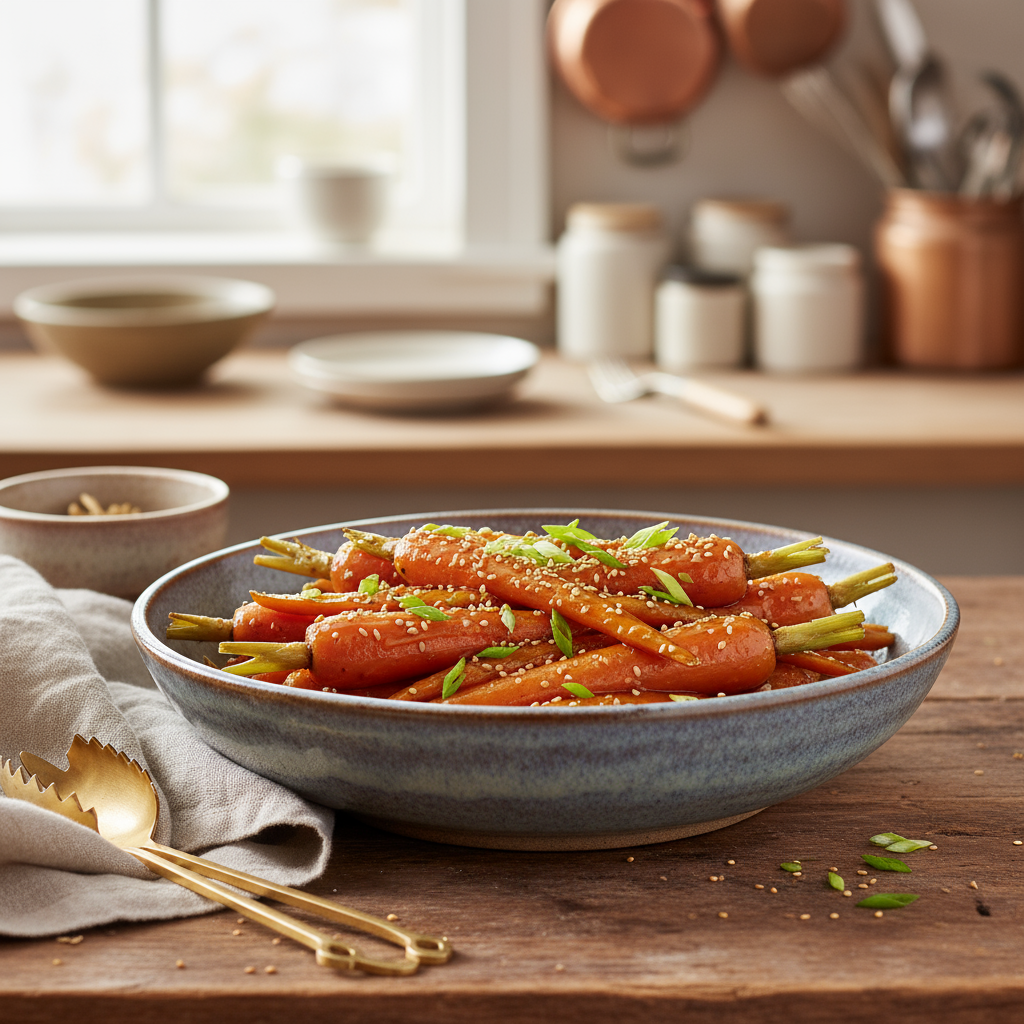
Why Do My Carrots Taste Bitter? 5 Easy Fixes That Work
Are bitter carrots safe to eat? Yes — bitter carrots are completely safe. The taste comes from natural terpenoids and isocoumarins, not toxins or spoilage. These compounds increase in older, stressed, or improperly stored carrots. To fix the taste: roast at 425°F with honey, blanch for 2-3 minutes, or toss with butter and brown sugar.
- Roast at 425°F with honey — caramelization converts starches to sugar, overwhelming bitter notes
- Blanch for 2-3 minutes, then ice bath — leaches out water-soluble bitter compounds before cooking
- Toss with butter and brown sugar glaze — fat and sweetness directly mask bitterness on your palate
- Add a pinch of salt — salt suppresses bitter perception and enhances natural sweetness
- Choose young, small carrots — fewer terpenoids and higher sugar content than large woody ones
Why Do Carrots Taste Bitter?
Carrots contain natural compounds called terpenoids and isocoumarins that can taste bitter. These compounds increase when carrots are old (stored too long), stressed (exposed to heat, cold damage, or ethylene gas from nearby fruits), or overcooked (concentrating bitter flavors). Large, woody carrots have more terpenoids than young, tender ones. Carrots stored near apples, bananas, or avocados absorb ethylene gas, triggering a stress response that produces more bitter compounds. Growing conditions also matter — carrots from poor soil or that experienced drought stress tend to taste more bitter.
Are Bitter Carrots Safe to Eat?
Yes, bitter carrots are completely safe to eat. The terpenoids and isocoumarins that cause bitterness are natural plant compounds, not toxins or signs of spoilage. These compounds are found in all carrots — you only taste them when levels are higher than usual. Bitter carrots have the same nutritional value as sweet ones. The only carrots to avoid are those that are slimy, moldy, or have a rotten smell — those indicate spoilage. A bitter taste alone is just a flavor issue, not a safety concern, as confirmed by Food Standards Agency guidance on food safety.
How to Fix Bitter Carrots: 5 Proven Methods
1. The Blanching Trick: Remove Bitter Compounds
Blanching leaches out water-soluble bitter compounds before cooking. Bring a large pot of water to a rolling boil. Add peeled, uniformly chopped carrots. Boil for precisely 2-3 minutes. Immediately transfer carrots to an ice bath. Once cooled, drain thoroughly and pat dry. Your carrots are now prepped for roasting, stir-frying, or any other method, guaranteed sweeter.
2. Roast at High Heat for Caramelization
Roasting unlocks and intensifies inherent sweetness, counteracting bitterness. High, dry heat triggers the Maillard reaction and caramelization, converting starches into simple sugars. Preheat your oven to 425°F. Peel and cut carrots into uniform 1-inch pieces. Toss with 2 tablespoons of olive oil, salt, and pepper. Arrange in a single layer on a baking sheet. Roast for 25-30 minutes, flipping halfway.
3. Add Sweetness to Neutralise Bitterness
Sugar compounds from honey, brown sugar, or maple syrup bind to bitter receptors, blocking or masking the perception of bitterness. For roasting, toss carrots with 1-2 tablespoons of honey alongside oil before baking. For a quick glaze: melt 2 tablespoons of butter with 2 tablespoons of honey, add cooked carrots, simmer 5 minutes until glossy.
4. Store Away From Ethylene-Producing Fruits
Fruits like apples, bananas, and avocados release ethylene gas that triggers bitter compound production in carrots. Within 3-5 days of close storage, carrots can become noticeably bitter. Cut off green tops immediately. Store in a sealed bag in the crisper drawer, separate from ethylene-producing fruits.
5. Choose Young, Vibrant Carrots
Older, larger carrots have more terpenoids and can become woody. Select small to medium-sized, firm carrots with smooth skin and vibrant orange color. Avoid limp, rubbery, cracked carrots, or those with green shoulders.
Want to create your own custom recipes? Try our AI-powered recipe generator for personalized cooking solutions.
Does Overcooking Make Carrots Bitter?
Overcooking can intensify bitter flavors. When carrots cook too long, moisture evaporates and flavors concentrate — including bitter compounds. Cook carrots until just tender (check with a fork). For roasting, 25-30 minutes at 425°F is enough. Steaming takes about 10-12 minutes for bite-sized pieces.
Frequently Asked Questions
Why do carrots taste bitter?
Carrots taste bitter due to natural terpenoid and isocoumarin compounds. These increase in older carrots, those stored near ethylene-producing fruits (apples, bananas), or carrots that experienced growing stress like drought.
Is it safe to eat bitter carrots?
Yes, completely safe. Bitterness in carrots comes from natural plant compounds, not toxins or spoilage. Only avoid carrots that are slimy, moldy, or smell rotten — those are spoiled, as detailed by NHS guidelines on food storage and safety.
Why are my carrots bitter after roasting?
Roasting concentrates all flavors, including bitter compounds. If your carrots were already slightly bitter raw, roasting intensifies it. Fix by adding honey or maple syrup before roasting and using young, fresh carrots.
Why do baby carrots sometimes taste bitter?
Baby-cut carrots are made from larger carrots that are peeled and shaped. If the original carrots were old or stressed, the baby carrots will taste bitter too. The white film is dehydration, not bitterness — rinse and soak in cold water to refresh.
Can I remove the bitter taste from raw carrots?
Peel deeply (the outer layer contains more terpenoids), soak in cold water with a pinch of sugar for 30 minutes, or serve with a sweet dip like honey-yogurt. Hummus or ranch dressing also masks bitterness effectively.
Do organic carrots taste less bitter?
Not necessarily. Bitterness depends more on age, storage, and growing conditions than organic status. Freshness matters most — buy carrots that are firm and vibrant regardless of organic label.
Why does my carrot taste bitter and soapy?
A soapy taste alongside bitterness usually indicates high terpenoid levels from old or stressed carrots. Some people are genetically more sensitive to these compounds. Roasting with honey is the most effective fix for soapy-tasting carrots.
Can I use bitter carrots in soup?
Yes — soup is actually ideal for bitter carrots. Long cooking time, natural sweetness from onions, and the diluting effect of broth significantly reduce bitter taste.
Final Thoughts
Bitter carrots are safe and fixable. The taste comes from natural terpenoids linked to age, stress, or improper storage. Roast with honey, blanch before cooking, or glaze with butter and sugar to make them sweet again. Choose young, firm carrots and store them away from fruits to prevent bitterness in the first place.