
Why Do My Onions Burn Instead of Caramelise? 5 Fixes
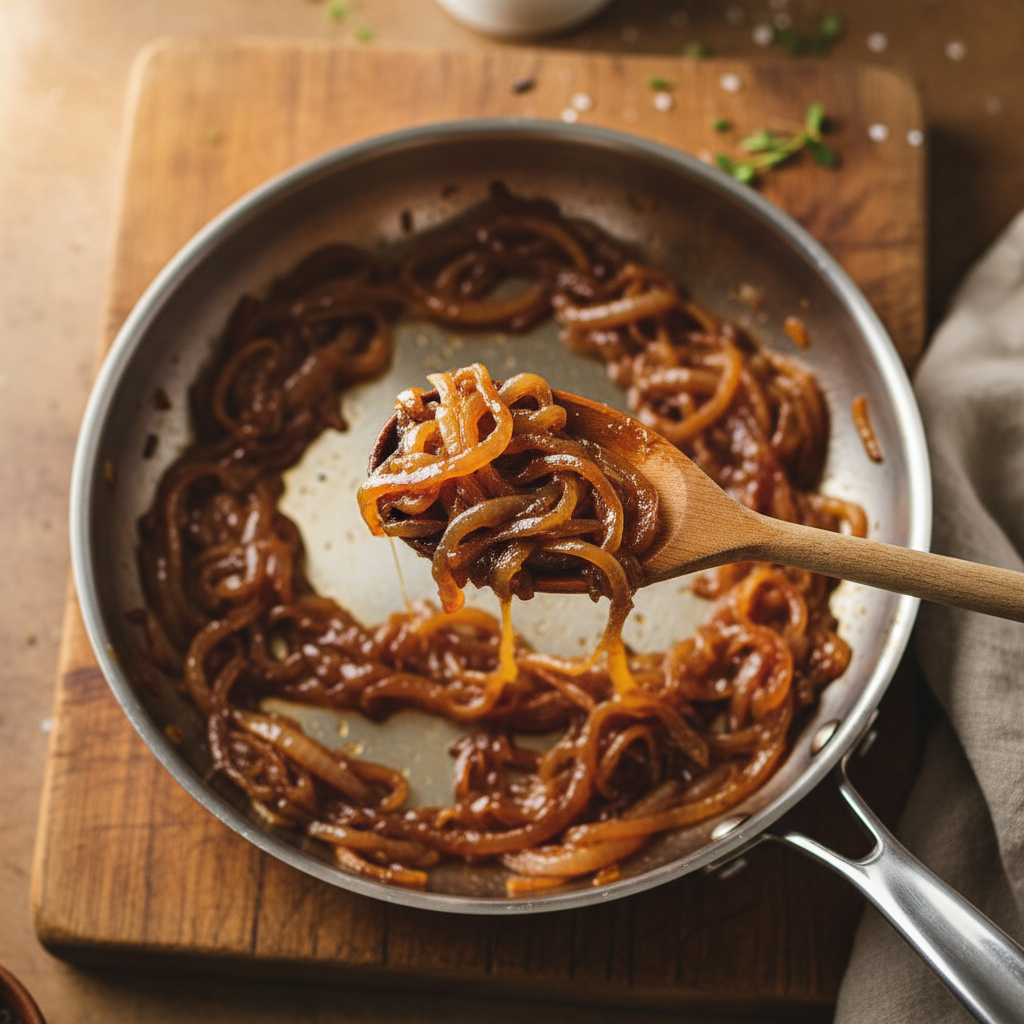
why do my onions burn instead of caramelise. Your onions are likely burning instead of caramelizing due to high heat, overcrowding the pan, insufficient fat, improper stirring, or using the wrong onion type.
why do my onions burn instead of caramelise. You envision sweet, jammy, deeply golden-brown onions, but instead, you get sad, bitter, blackened bits. If you've ever wondered, “why do my onions burn instead of caramelise?”, you're in the right place. It's a matter of science and technique.
why do my onions burn instead of caramelise. The key to perfect caramelized onions involves understanding the process. We'll break down the science, pinpoint common mistakes, and provide a foolproof method for achieving onion nirvana.
why do my onions burn instead of caramelise. Want to create your own custom recipes? Try our AI-powered recipe generator for personalized cooking solutions tailored to your ingredients and preferences.
Why Do My Onions Burn Instead of Caramelise - The Science of Sweetness
why do my onions burn instead of caramelise. Onions burn instead of caramelizing when the heat is too high, causing sugars to carbonize rather than undergo the slow chemical transformations of caramelization and the Maillard reaction.
What is Caramelization?
why do my onions burn instead of caramelise. Caramelization occurs when sugars break down under low, steady heat. Onions are rich in complex sugars. This process creates nutty, sweet flavors and a deep brown color. It's a purely sugar-based reaction that cannot be rushed. For a deep dive into the chemistry, you can explore the science of caramelization, as explained by Serious Eats.
What is the Maillard Reaction?
The Maillard reaction, happening alongside caramelization, is a reaction between amino acids and sugars. It produces savory, roasted, and complex browning, adding depth. The two reactions work together for perfect caramelized onions. The food nerds at Serious Eats have a fantastic guide to the Maillard Reaction.
And... What is Burning?
Burning, or combustion, occurs when heat is too high. Sugars and organic matter carbonize instead of transforming, leading to bitter, acrid flavors and a blackened, unpleasant texture.
5 Reasons Why Your Onions Burn: The Top 5 Mistakes
If your onions are burning, you're likely making one of these five common mistakes.
Mistake #1: Your Heat is Way, Way Too High
This is the number one culprit. Caramelizing onions requires patience. The mantra is low and slow. High heat scorches the outside before sugars can break down.
The Fix: Start on medium heat to melt fat, then immediately turn it down to medium-low or low. You want a gentle sizzle.
Mistake #2: You're Crowding the Pan
Packing onions too tightly traps moisture, causing them to steam rather than brown.
The Fix: Use a wide, heavy-bottomed skillet or Dutch oven for a single, even layer. Caramelize large batches in separate rounds.
Mistake #3: You're Not Using Enough Fat
Fat distributes heat evenly, prevents sticking, and adds flavor.
The Fix: Be generous. Use about 1 tablespoon of fat per large onion. A combination of unsalted butter and a neutral oil (like avocado or canola) works well.
Mistake #4: You're Stirring Too Much (or Not Enough!)
Constant stirring prevents browning, while no stirring leads to scorching in hot spots.
The Fix: Find a happy medium. Let onions sit for 5-10 minutes to develop color, then stir. As they cook down, stir more frequently to prevent sticking.
Mistake #5: You're Choosing the Wrong Onion
Onions vary in sugar and water content, affecting caramelization.
The Fix: For the sweetest results, use sweet onions like Vidalia, Walla Walla, or Mayan Sweets. Yellow onions are a reliable choice. Red onions caramelize with a complex, less sweet flavor. For more on this, Serious Eats offers guidance on choosing the right onion for caramelization.
The Foolproof Method: Step-by-Step to Perfect Caramelized Onions
The key is having the right equipment and patience. A wide, heavy-bottomed pan is non-negotiable. Stainless steel or cast iron are ideal for even heat and developing 'fond'—tasty brown bits—on the pan bottom.
We'll use these brown bits by deglazing. Adding liquid (water, stock, or wine) and scraping the pan releases concentrated flavor, deepening color and taste.
Now, let's get to the recipe.
Recipe: The Ultimate Slow-Caramelized Onions
Ingredients
- 3 lbs (approx. 1.4 kg) yellow or sweet onions, about 4-5 large
- 3 tbsp (45g) unsalted butter
- 1 tbsp (15ml) olive oil or other neutral oil
- 1 tsp kosher salt
- 1/2 cup (120ml) water, stock, or dry white wine, for deglazing
Instructions
- Prep the Onions: Peel, halve, and thinly slice onions (1/8 to 1/4 inch thick).
- Heat the Pan: Melt butter and olive oil in a large, wide, heavy-bottomed skillet over medium heat.
- Add Onions and Salt: Add all sliced onions. Sprinkle with kosher salt and toss to coat.
- The First Cook (Sweating): Cook for 5-8 minutes, stirring occasionally, until onions soften and release water.
- The Low and Slow Phase: Reduce heat to medium-low. Cook, stirring every 5-10 minutes.
- Develop Color & Deglaze: After 20-30 minutes, they'll turn light golden with brown bits (fond). Add a tablespoon or two of liquid and scrape the pan.
- Continue Cooking and Deglazing: Continue cooking on low, letting onions deepen in color. Stir more frequently (every 5 minutes). When the pan bottom gets too dark, add more liquid and scrape. Repeat for another 20-40 minutes.
- Finish: Onions are done when uniformly deep brown, soft, and jammy (45 minutes to over an hour). Do not rush. Taste and adjust salt.
Recipe Details
- Prep Time: 15 minutes
- Cook Time: 45-60 minutes
- Total Time: 1 hour - 1 hour 15 minutes
- Servings: Makes about 2 cups
- Difficulty: Easy (but requires patience!)
Pro Tips
- Make a Big Batch: Caramelized onions store beautifully.
- The Sugar Cheat: If onions lack sweetness, add 1/2 teaspoon of sugar at the beginning.
- The Baking Soda Trick: A tiny pinch (less than 1/4 tsp per pound) of baking soda can ```
Frequently Asked Questions
Why do my onions burn instead of caramelise even on low heat?
Even on low heat, overcrowding your pan can cause onions to burn because too many onions lower the pan's temperature inconsistently, preventing even cooking and encouraging some parts to scorch before others caramelize properly. Ensure enough space for steam to escape and for each onion piece to make direct contact with the heat.
How can I prevent my onions from burning instead of caramelising if I don't have much time?
While caramelization requires patience, you can help prevent burning by adding a splash of water or a lid occasionally to create steam, which helps soften onions and cook them through without excessive browning. However, true caramelization benefits from a steady, unhurried process.
Besides high heat, what's another major reason why my onions burn instead of caramelise?
Insufficient fat is a significant reason why onions burn instead of caramelise. Fat helps conduct heat evenly and prevents the onions from sticking to the pan, allowing them to brown gently rather than charring.
Are certain onion types more prone to burning when I try to caramelise them?
Yes, some onion types are more prone to burning. Sweet onions (like Vidalia) have higher sugar content and can caramelize more quickly, making them easier to burn if not carefully monitored. Yellow or red onions generally offer a bit more forgiveness due to their balanced sugar and sulfur compounds.
What's the difference between my onions burning and properly caramelising?
When your onions burn, they turn black and bitter due to carbonization from excessive heat. Properly caramelized onions, on the other hand, develop a deep golden-brown color, a sweet, jammed texture, and rich, complex flavors through the slow breakdown of sugars and the Maillard reaction.