
How to Fix Broccoli That Turns Mushy and Grey: 3-Min Guide
Why Does My Broccoli Turn Mushy and Grey?
Broccoli turns mushy and grey primarily due to overcooking, which breaks down its cell walls and chlorophyll, leading to a soft texture and dull color.
Want to create your own custom recipes? Try our AI-powered recipe generator for personalized cooking solutions tailored to your ingredients and preferences.
The Science Behind the Slump: Why Broccoli Turns Mushy and Grey
The Colour Conundrum: From Vibrant Green to Drab Grey
Broccoli's green color comes from chlorophyll. When heated, air in plant tissues expands, making chlorophyll more visible, causing broccoli to turn bright green. However, prolonged heat (over 5-7 minutes) breaks down plant cells, releasing natural acids. These acids react with chlorophyll, altering its chemical structure and turning it into a dull, olive-grey color called pheophytin. This is the point of no return. You can learn more about the science of keeping green vegetables green from the experts at Serious Eats.
The Mushy Mess: What Happens to Texture?
A plant's structure is held together by cell walls, fortified by pectin. Overcooking broccoli completely breaks down this natural 'glue'. The cell walls collapse, releasing water, transforming firm florets into a soft, waterlogged mush. Mushiness and grey color are both symptoms of overcooking.
The 5 Culprits: Common Mistakes That Ruin Your Broccoli
- 1. Overcooking: This is enemy number one. Broccoli cooks incredibly fast.
- 2. Drowning It (Boiling): Boiling is the riskiest method. It's easy to overcook, and broccoli absorbs water, leading to a soggy texture and diluted flavor and nutrients.
- 3. Crowding the Pan: When roasting or sautéing, giving broccoli space is key. Piling it in causes florets to steam instead of char, trapping moisture and leading to sogginess.
- 4. Putting a Lid On It: Covering cooking broccoli traps acids, creating an acidic steam bath that accelerates chlorophyll breakdown, turning broccoli grey faster. Cook it uncovered!
- 5. Uneven Pieces: Mixing massive florets with tiny bits means small pieces turn to mush before large ones cook through. Aim for relatively uniform sizes.
The 4 Paths to Perfection: How to Cook Broccoli Perfectly Every Time
Technique 1: The Quick Blanch and Shock
This technique is fantastic for prepping broccoli for salads or veggie platters, locking in bright green color. Bring a large pot of heavily salted water to a rolling boil. Drop florets in and cook for just 2-3 minutes. Immediately transfer to a big bowl of ice water ('shocking') to instantly stop cooking and preserve electric color. For guidance on safe food handling practices, you can refer to the Food Standards Agency's advice on chilling food.
Technique 2: The High-Heat Roast (My Favourite!)
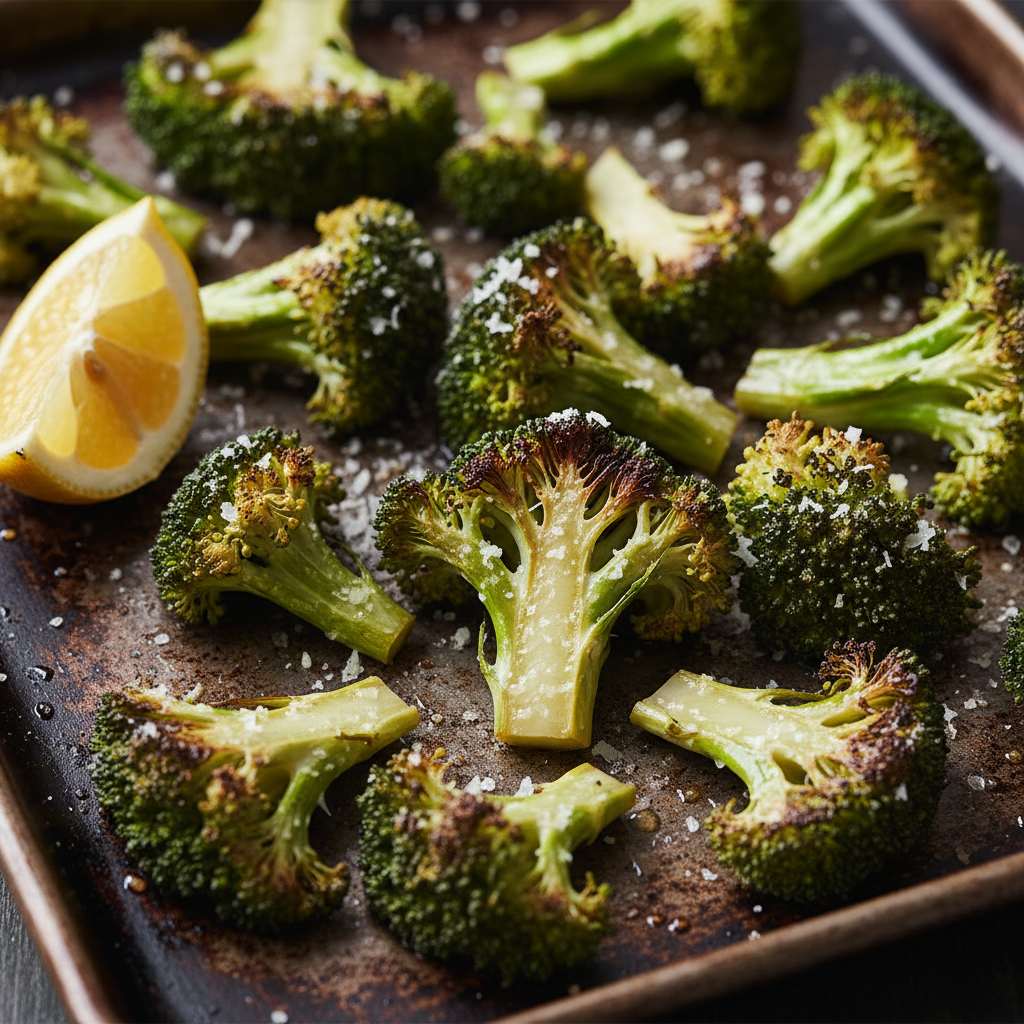
Roasting is, in my opinion, the most delicious way to cook broccoli. High, dry heat brings out natural sweetness and creates crispy, caramelized edges. This is the method we'll use in the recipe below! The key is a hot oven (200-220°C / 400-425°F), a good coating of olive oil, and spreading florets in a single layer on a baking sheet. Don't be afraid of a little char—that's where the flavor is!
Technique 3: The Perfect Steam
Steaming is a healthy option that preserves nutrients. The trick is to do it right. Use a steamer basket over an inch or so of simmering water, ensuring water isn't touching the broccoli. Cover and steam for just 3-5 minutes, depending on floret size. Broccoli should be bright green and easily pierced with a fork, but still have a bit of a bite. Check at the 3-minute mark! The NHS provides guidance on the nutritional benefits of vegetables as part of a healthy diet.
Technique 4: The Flash Sauté
Perfect for a quick weeknight side or stir-fry. Heat a little oil in a large skillet or wok over medium-high heat. Add broccoli florets and stir-fry for 4-6 minutes. You can add a tablespoon or two of water or broth and briefly cover the pan for a minute to steam-finish if you like it more tender. It's a great way to build flavor as seen in our perfect-stir-fry-guide.
Recipe: Garlicky Roasted Broccoli with Lemon and Parmesan
This recipe turns broccoli skeptics into fans. It's simple but packs massive flavor. High-heat roasting ensures your broccoli will be anything but mushy and grey!
Prep time: 10 minutes
Cook time: 20-25 minutes
Total time: 30-35 minutes
Servings: 4
Difficulty: Easy
Ingredients
- 1 large head of broccoli (about 500g / 1 lb), cut into bite-sized florets
- 2-3 tablespoons olive oil
- 4 cloves garlic, thinly sliced
- 1/2 teaspoon sea salt, or to taste
- 1/4 teaspoon black pepper, freshly ground
- 1/4 cup (25g) Parmesan cheese, freshly grated
- 1 lemon, for zest and wedges
Instructions
- Preheat and Prep: Preheat oven to 220°C (425°F). Place a large, rimmed baking sheet in the oven while it preheats. A hot pan is key to crispy bottoms!
- Wash and Dry Thoroughly: Wash broccoli florets and, crucially, dry them very well. Use a salad spinner or pat dry with a clean kitchen towel. Water creates steam and prevents crisping.
- Toss and Coat: In a large bowl, toss dry broccoli florets with olive oil, sliced garlic, salt, and pepper. Ensure every piece is lightly coated.
- Roast to Perfection: Carefully remove hot baking sheet from oven. Spread broccoli in a single, even layer. Do not crowd the pan! Use two pans if necessary. Roast for 20-25 minutes, flipping halfway through, until tender-crisp and slightly charred at the edges.
- Finish and Serve: Remove from oven. Immediately sprinkle with grated Parmesan cheese and lemon zest. Serve hot with lemon wedges for squeezing.
Conclusion
Achieving vibrant, tender-crisp broccoli consistently is entirely possible by understanding the science of overcooking and avoiding common pitfalls. By employing proper techniques like high-heat roasting or quick blanching, you can ensure your broccoli is always a delicious, nutritious addition to any meal.
```Frequently Asked Questions
Why does my broccoli turn mushy and grey even when I cook it for a short time?
Even short cooking times can lead to mushy and grey broccoli if the heat is too high or if you're using a method like boiling which easily overcooks it. Drowning it in water allows it to absorb excess moisture, contributing to sogginess quickly.
What is the main reason broccoli turns mushy and grey?
The primary reason broccoli turns mushy and grey is overcooking. Prolonged heat breaks down its cell walls, making it soft, and alters its chlorophyll, causing the vibrant green to shift to a dull, greyish color.
How can I prevent my broccoli from turning mushy and grey when steaming?
To prevent your broccoli from turning mushy and grey when steaming, avoid overcrowding the steamer basket and make sure to cook it uncovered. Crowding can lead to uneven cooking, and covering it traps acids that accelerate discoloration.
Does boiling broccoli always make it turn mushy and grey?
Boiling broccoli significantly increases the risk of it turning mushy and grey because it's very easy to overcook and absorb too much water. This method quickly breaks down cell walls and chlorophyll, leading to poor texture and color.
What’s the secret to keeping broccoli vibrant green instead of letting it turn mushy and grey?
The secret to keeping broccoli vibrant green and preventing it from turning mushy and grey is to cook it quickly and avoid overcooking. Methods like blanching and shocking, or quick sautéing/roasting, preserve its structure and chlorophyll, ensuring a bright color and firm texture.