Fix: Why Does My Chicken Have a Strange Texture? (5 Easy Tips)
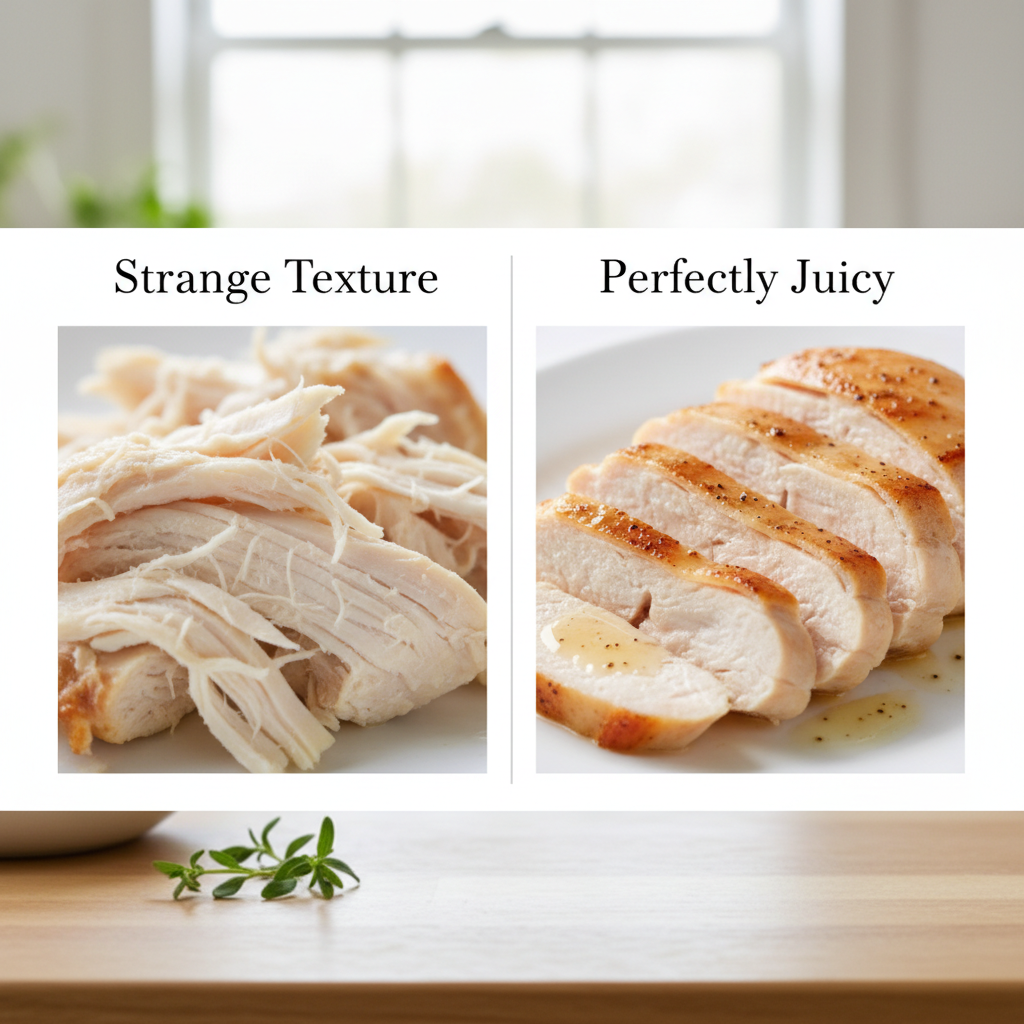
chicken have a strange texture. There’s nothing more deflating than pulling a beautifully golden-brown chicken breast from the pan, letting it rest, and slicing in only to find… a problem. Instead of juicy and tender, the texture is off. It might be rubbery, strangely hard, or even mushy. You followed the recipe, so what went wrong? When you find your chicken have a strange texture, it's usually due to one of a few common culprits: the quality of the meat itself (hello, woody breast), overcooking, or undercooking. But don't worry, we can almost always fix it or, at the very least, prevent it from happening again!
chicken have a strange texture. Want to create your own custom recipes? Try our AI-powered recipe generator for personalized cooking solutions tailored to your ingredients and preferences.
The Science Behind Strange Chicken Texture
chicken have a strange texture. Chicken texture issues stem from protein denaturation during cooking; undercooking leaves it slick and bouncy, while overcooking makes it dry and stringy.
chicken have a strange texture. Understanding why chicken texture goes wrong is all about the meat's muscle structure. Chicken breast is made of muscle fibers bundled together with connective tissue. When you apply heat, a process called protein denaturation occurs, which changes the structure of these proteins.
chicken have a strange texture. When cooked correctly to about 165°F (74°C), the fibers firm up and become tender, and the collagen melts into gelatin, creating a juicy bite. If you undercook it, the proteins haven't fully set, leaving the meat with a slick, bouncy, and rubbery feel. If you overcook it, the muscle fibers contract too much, squeezing out all the moisture and leaving you with a dry, stringy, and tough piece of meat.
chicken have a strange texture. A more recent issue is a condition called "woody breast." This is a muscle abnormality in some modern, fast-growing broiler chickens. It creates an unusually hard, fibrous texture that can feel crunchy or tough, even when cooked perfectly. According to Serious Eats, this condition makes the raw breast feel stiff and rigid, which is a good way to spot it before you even start cooking.
| Internal Temp | Resulting Texture |
|---|---|
| Under 150°F (65°C) | Slick, soft, rubbery, unsafe |
| 160-165°F (71-74°C) | Juicy, tender, firm (Ideal) |
| 175°F+ (79°C+) | Dry, stringy, tough |
| N/A (Muscle Condition) | Woody, hard, fibrous |
5 Quick Fixes for Chicken with a Strange Texture
1. The Problem: Woody, Fibrous, or Crunchy Chicken
The Problem: You cooked your chicken perfectly, but it has a hard, almost crunchy texture. This is the classic sign of "woody breast," a muscle condition in the chicken itself.
The Fix: You can't truly "fix" a woody breast once cooked. Shred the meat finely and incorporate it into a dish with lots of sauce to mask the texture, like a creamy chicken dip or enchilada filling.
Pro Tip: Spot woody breast at the store by feeling for unusually firm, rigid raw chicken. It may also have visible white striping. Choosing smaller, air-chilled, or organic chicken can reduce your chances.
2. The Problem: Rubbery and Slick Chicken
The Problem: The chicken is bouncy and has a slick, slightly translucent appearance. This is a tell-tale sign of undercooked chicken.
The Fix: Return the chicken to the heat (pan, grill, or oven) for a few more minutes. Aim for an internal temperature of 165°F (74°C) using a meat thermometer, as recommended by the USDA Food Safety and Inspection Service.
Pro Tip: An instant-read thermometer is the best tool to prevent both undercooked and overcooked chicken.
3. The Problem: Dry, Stringy, and Tough Chicken
The Problem: Your chicken is a chore to chew. It's dry, fibrous, and falls apart into stringy bits. This is classic overcooked chicken.
The Fix: Shred the chicken and toss it with a flavorful sauce (BBQ, Alfredo, pesto) to rehydrate the meat. Chicken salad is another great option.
Pro Tip: To prevent this, brine your chicken before cooking. A simple saltwater brine adds moisture and acts as a buffer against overcooking.
4. The Problem: Spongy or Waterlogged Chicken
The Problem: The chicken, often from poaching or a slow cooker, has a soft, spongy texture, lacking a satisfying bite.
The Fix: Pat the chicken dry and sear it in a very hot, oiled skillet for 1-2 minutes per side. This creates a delicious, browned crust and improves surface texture.
Pro Tip: After searing, let the chicken rest for a few minutes before slicing to allow juices to settle.
5. The Problem: Mushy and Mealy Chicken
The Problem: The chicken has a soft, grainy, and unpleasant mushy consistency, often from improper freezing/thawing.
The Fix: Mince or shred the meat and use it in a dish where it's a background element, like creamy chicken noodle soup, buffalo chicken dip, or as a filling for dumplings or tacos.
Pro Tip: Always thaw chicken slowly in the refrigerator for
chicken have a strange texture is important to understand.
Final Thoughts
Now you have all the tools you need to solve this problem. Remember, the key is to be patient and follow these steps carefully. With practice, you'll master this technique and never face this issue again. If you found this guide helpful, share it with others who might benefit from these tips.
```Frequently Asked Questions
Why does my chicken have a strange texture even though I cooked it to the right temperature?
Even if cooked to the correct internal temperature, your chicken can still have a strange texture due to a condition called "woody breast." This is a muscle abnormality that makes the chicken unusually hard and fibrous, regardless of perfect cooking. You can often spot woody breast before cooking if the raw meat feels stiff and rigid.
What causes chicken to have a rubbery or bouncy texture?
If your chicken has a rubbery or bouncy texture, it's most likely undercooked. The proteins haven't fully denatured and set, leaving the muscle fibers slick and elastic. Ensure your chicken reaches an internal temperature of 160-165°F (71-74°C) for optimal tenderness.
How can I prevent my cooked chicken from being dry and stringy?
To prevent dry and stringy chicken, avoid overcooking it. When chicken exceeds 165°F (74°C), the muscle fibers contract too much, squeezing out moisture. Use a meat thermometer to pull your chicken from the heat as soon as it reaches the ideal internal temperature.
Can the initial quality of the chicken cause my chicken to have a strange texture?
Yes, the initial quality of the chicken can absolutely cause it to have a strange texture. Specifically, a condition known as "woody breast" creates an unappealingly tough and fibrous consistency, even when cooked perfectly. This issue stems from the chicken's muscle development before it even reaches your kitchen.
When my chicken has a strange texture, what specific temperature range should I aim for to avoid issues?
When cooking chicken to avoid a strange texture, aim for an internal temperature between 160-165°F (71-74°C). This range ensures the muscle fibers firm up perfectly while retaining moisture, resulting in a juicy and tender bite. Temperatures below this can lead to rubberiness, while higher temperatures cause dryness.