
7 Pro Tips to Stop Chicken Shrinking: Why It Happens & Fixes
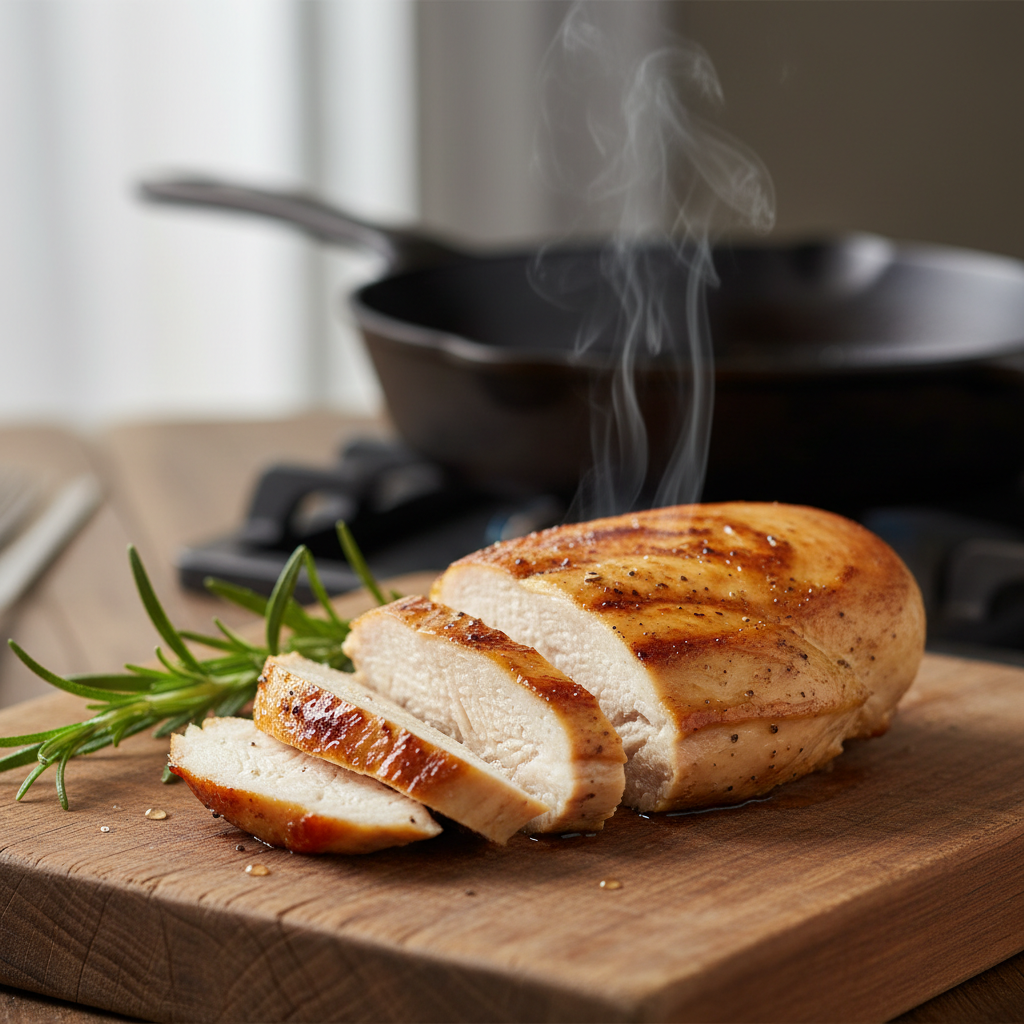
why does my chicken shrink. Chicken shrinks because its proteins contract under heat, expelling water, especially when cooked aggressively or if it's been "plumped" with added solutions.
why does my chicken shrink. You buy beautiful, plump chicken breasts, envisioning a glorious dinner. You season them perfectly and lay them in a hot pan. But when you pull them out, they’ve shriveled into sad, small, and sometimes rubbery versions of their former selves. If you've ever stared at your plate and wondered, why does my chicken shrink so much, you are not alone. It's one of the most common kitchen frustrations!
why does my chicken shrink. This culinary mystery has plagued home cooks for ages. The good news is, it’s not magic—it’s science. Once you understand what’s happening, you can easily prevent it. Today, we're diving deep into the reasons behind the great chicken shrink-down and giving you all the pro tips and a foolproof recipe to guarantee juicy, full-sized chicken every single time.
why does my chicken shrink. Want to create your own custom recipes? Try our AI-powered recipe generator for personalized cooking solutions tailored to your ingredients and preferences.
The Big Shrink: What’s Really Happening to Your Chicken?
Chicken shrinks primarily due to water loss caused by protein contraction under heat.It's All About Water and Protein
Raw chicken is about 75% water. Chicken muscle proteins are long fibers that denature and change shape when heat is applied. As proteins cook, they contract and tighten, squeezing out water held within muscle cells. Aggressive cooking (higher heat) causes more forceful protein contraction, expelling more moisture. This water loss is the primary reason chicken shrinks. For a fantastic deep-dive into the science of cooking meat, check out this article on protein denaturation from Serious Eats.The "Plumping" Problem: Not All Chicken is Created Equal
Labels like "enhanced with up to 15% chicken broth" indicate "plumping." Some producers inject chicken with a saline solution to make it seem juicier and increase weight. This added water is loosely held and cooks out first, leading to dramatic shrinkage and potentially salty, spongy meat. Avoid this by looking for chicken that hasn't been "enhanced" or "plumped."5 Key Culprits: Why Does My Chicken Shrink More Than Usual?
Let's look at common mistakes that turn a plump chicken breast into a tiny puck.1. You’re Blasting it With High Heat
While a good sear is essential for flavor (hello, Maillard reaction!), cooking chicken on screaming-high heat from start to finish is a recipe for shrinkage. Intense, direct heat causes exterior proteins to seize and contract violently, squeezing moisture out before the inside cooks through.2. The Type of Chicken You're Buying
Plumped chicken is a major offender. Another factor is water-chilled vs. air-chilled chicken. Most conventional North American chicken is water-chilled, meaning birds are cooled in a large vat of cold water after processing, absorbing extra water. Air-chilled chicken, conversely, is cooled by passing it through cold air chambers. It absorbs no extra water, resulting in more concentrated chicken flavor and significantly less shrinkage.3. You’re Overcrowding the Pan
Overcrowding is a major cooking sin! Packing the pan too tightly makes the chicken steam in its own juices instead of searing. This lowers the pan's temperature, leading to a soggy, grey exterior and a rubbery, shrunken interior.4. Slicing It Right Away
Patience is a virtue! When chicken comes off the heat, juices are concentrated in the center. If you slice immediately, all that delicious moisture will pour out, leaving you with a dry, smaller piece. This is a critical step many people miss.5. You Skipped the Brine
Brining might sound fussy, but it's a game-changer for lean proteins like chicken breast. Soaking chicken in a simple saltwater solution helps it retain more moisture through osmosis. Salt not only seasons the meat but also alters protein structure, making it less likely to contract and squeeze out water.Your Game Plan: 7 Tips for Juicy, Full-Sized Chicken
Ready to fight the shrink? Here are your new rules for cooking chicken.- Buy Better Chicken: Whenever possible, opt for air-chilled chicken. It's more expensive, but superior flavor and minimal shrinkage are worth it. Always read labels to avoid "enhanced with a solution" products.
- Embrace the Brine: A quick 30-minute brine is all you need. Dissolve 1/4 cup salt and 2 tablespoons sugar in 4 cups warm water, cool it, and submerge chicken. It's the secret to juicy perfection.
- Pat It Bone Dry: Moisture is the enemy of a good sear. After brining (or if you skip it), use paper towels to pat your chicken completely dry on all sides before seasoning.
- Use a Meat Thermometer: Stop guessing! A digital meat thermometer is the best tool for preventing overcooked, shrunken chicken. The USDA recommends cooking chicken to an internal temperature of 165°F (74°C). Pull it from the heat right when it hits that mark. Food Network has a great temperature guide for reference.
- Moderate Your Heat: Start with a hot pan for a beautiful golden-brown sear (about 2-3 minutes per side), then reduce heat to medium or medium-low to let the chicken cook through gently. This prevents proteins from seizing.
- Give It Space: Cook in batches if necessary. Ensure at least an inch of space between each piece of chicken in the pan. This allows moisture to evaporate and the chicken to brown beautifully.
- Let. It. Rest: This is non-negotiable! Once cooked, transfer chicken to a clean cutting board and let it rest for 5-10 minutes before slicing. This allows juices to redistribute, ensuring every bite is moist and flavorful.
Recipe: The Ultimate No-Shrink Pan-Seared Chicken Breast
This recipe puts all our tips into practice. Say goodbye to shrunken chicken forever!Recipe Details
- Prep time: 10 minutes (plus 30 minutes for brining)
- Cook time: 15-20 minutes
- Total time: 55 minutes
- Servings: 4
- Difficulty: Easy
Ingredients
- 4 boneless, skinless chicken breasts (about 6 oz / 170g each)
- For the Brine:
- 4 cups (1 liter) warm water
- 1/4 cup (60g) kosher salt
- 2 tablespoons (25g) granulated sugar
- For Cooking:
- 1 tablespoon olive oil or other high-heat cooking oil
- 1 teaspoon paprika (optional, for color)
- 1/2 teaspoon garlic powder
- 1/4 teaspoon black pepper
- Salt to taste (after brining, you may need less)
- Optional: Fresh herbs (rosemary, thyme) or a pat of butter for finishing
Instructions
- Brine the Chicken
why does my chicken shrink is important to understand.
why does my chicken shrink is important to understand.
```
Frequently Asked Questions
Why does my chicken shrink so much when I cook it?
Your chicken shrinks primarily due to water loss as its proteins contract under heat. Aggressive cooking or chicken "plumped" with added solutions can exacerbate this, squeezing out moisture and reducing its size.
How can I prevent my chicken from shrinking when I pan-fry it?
To prevent shrinkage, avoid blasting chicken with high heat. Cook it at a moderate temperature and consider brining beforehand. Also, ensure you're not overcooking it, as prolonged cooking forces more moisture out.
Does the type of chicken I buy affect why my chicken shrinks?
Yes, significantly. Chicken labeled as "enhanced" or "plumped" with added solutions will likely shrink more dramatically because the injected saline solution, which accounts for up to 15% of its weight, cooks out quickly.
Is there a way to tell if chicken has been "plumped" to avoid why my chicken shrinks?
Always check the chicken packaging for terms like "enhanced with up to X% chicken broth" or "contains a solution of water and salt." Choosing chicken without these labels means you're buying a more natural product less prone to excessive shrinkage.
Besides cooking temperature, what else contributes to why my chicken shrinks?
Beyond high heat, not letting the chicken rest after cooking can lead to more shrinkage, as the juices redistribute and are reabsorbed. Additionally, cutting raw chicken too small or unevenly can cause smaller pieces to overcook and shrink faster.