
Why Your Chicken Takes Forever to Cook — And How to Fix It Fast
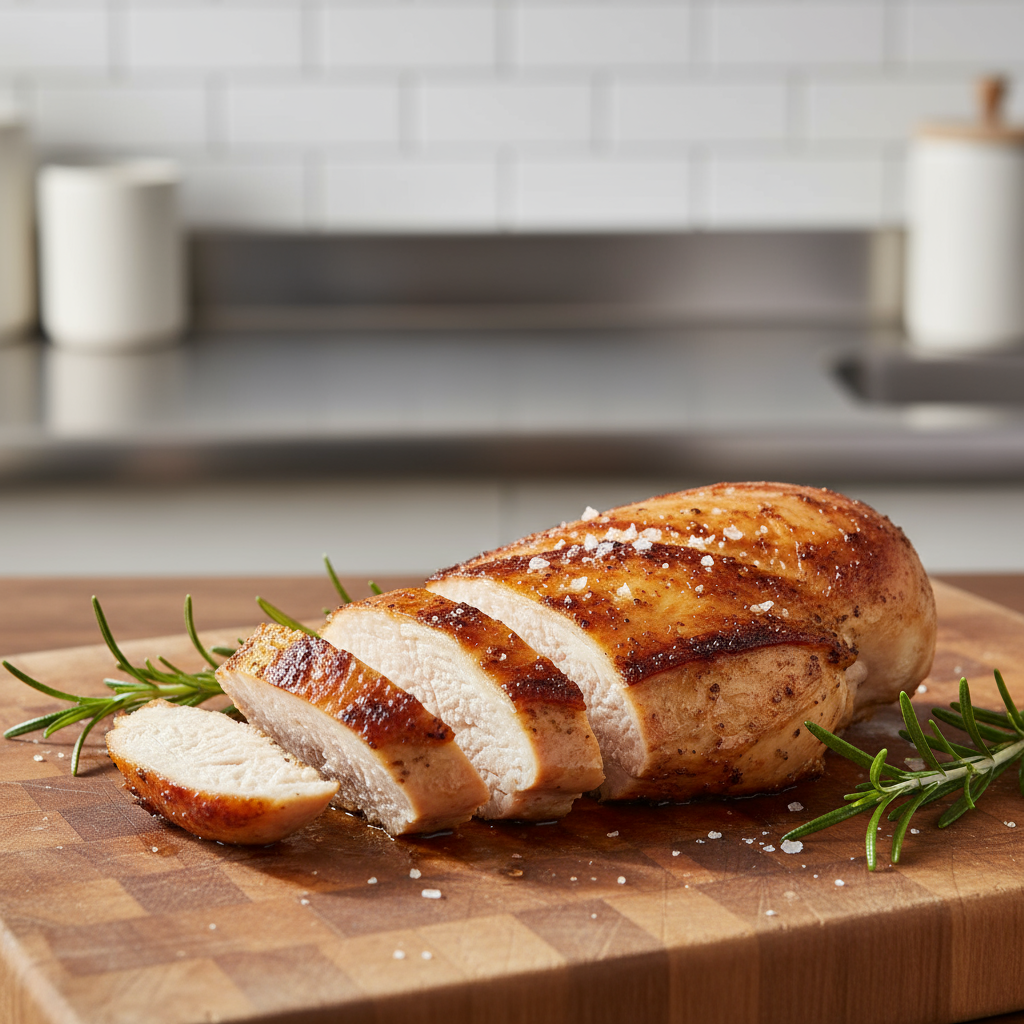
Why does my chicken take so long to cook. It's likely due to factors like starting with cold chicken, an inaccurate oven, overcrowding your pan, or not using a meat thermometer.
Why does my chicken take so long to cook. We’ve all been there, staring at a stubbornly undercooked bird and wondering, why does my chicken take so long to cook? This common culinary frustration can make cooking times feel like a lottery.
Why does my chicken take so long to cook. The good news: it’s not magic, it's science. We’ll demystify the process, uncover common culprits behind slow-cooking chicken, and give you confidence to cook it perfectly every time.
Why does my chicken take so long to cook. Want to create your own custom recipes? Try our AI-powered recipe generator for personalized cooking solutions tailored to your ingredients and preferences.
1. It Starts with the Bird: Temperature and Thickness
Why does my chicken take so long to cook. The state of your chicken plays a massive role in its cooking time.
Your Chicken is Too Cold (or Frozen!)
Taking chicken straight from the fridge to a hot pan or oven is a primary reason why your chicken takes so long to cook. A fridge-cold piece of meat needs more time and energy to come up to temperature.
Pro Tip: Let your chicken sit on the counter for 20-30 minutes before cooking. This helps it cook more evenly and quickly.
The Cut and Thickness Matter
A thick chicken breast takes longer to cook than a thin one. For uneven cuts, the thin part will overcook while the thickest part finishes. Pound the thickest part with a rolling pin or meat mallet until it's a uniform thickness.
2. Is Your Oven Lying to You?
Many home ovens are inaccurate. Oven temperature inaccuracy is a huge factor when you're wondering why does my chicken take so long to cook.
The Importance of an Oven Thermometer
Most built-in oven thermostats can be off by 10-20 degrees or more. If your oven runs cooler, your chicken will cook more slowly. An inexpensive, independent oven thermometer is a wise investment.
Don't Forget to Preheat!
Most ovens need 10-15 minutes *after* the preheat light goes off to truly stabilize their temperature. Putting chicken in too early means it starts cooking at a lower temperature, extending the overall time.
3. Common Cooking Mistakes Slowing You Down
Technique matters. Adjustments to how you cook can decrease cooking time and improve results.
Overcrowding the Pan
Overcrowding a pan traps moisture, steaming the chicken instead of searing it. Steaming is a slower process. Too much food also drops the pan's temperature dramatically, adding minutes to cook time. For more on searing, see Serious Eats' guide.
The Fix: Cook in batches. Ensure at least an inch of space between each piece of chicken.
Opening the Oven Door
Every time you open the oven door, the temperature can drop by 25 degrees or more. The oven then fights to get back to temperature, prolonging cooking. Trust your timer and use the oven light. This patience is key to solving why does my chicken take so long to cook.
4. The Most Important Tool: A Meat Thermometer
A reliable instant-read digital meat thermometer solves 99% of chicken cooking problems. Cooking chicken should be about temperature, not time.
Why Guessing is a Recipe for Disaster
Cutting into chicken to check doneness lets precious juices escape, leading to dry meat. The "juices run clear" trick is unreliable.
The Magic Number: Safe Chicken Temperatures
Chicken is safe to eat when its internal temperature reaches 74°C (165°F). Insert the thermometer into the thickest part of the meat, avoiding bone. For a whole bird, check the thickest part of the thigh. For more on food safety, see this Food Network article.
Remember carryover cooking! The internal temperature will rise a few degrees after removal from heat. Pull chicken out at 72°C (162°F) and let it rest. It will climb to a perfect, safe temperature while staying juicy.
Recipe: The Perfect 20-Minute Pan-Seared Chicken Breast
This recipe is designed for speed and flavor, using the principles discussed to guarantee a perfect result. We'll use even thickness and a hot pan for quick cooking.
Perfect 20-Minute Pan-Seared Chicken Breast
- Prep Time: 10 minutes
- Cook Time: 10-12 minutes
- Total Time: 22 minutes
- Servings: 2
- Difficulty: Easy
Ingredients
- 2 boneless, skinless chicken breasts (about 170g / 6oz each)
- 1 tbsp olive oil
- 1 tsp paprika
- 1/2 tsp garlic powder
- 1/2 tsp onion powder
- 1/2 tsp salt (or to taste)
- 1/4 tsp black pepper
- 1 tbsp butter (optional, for finishing)
- 1 sprig fresh rosemary or thyme (optional)
Instructions
- Prep the Chicken: Take chicken out of the fridge 20 minutes before cooking. Pound the thickest part until the breast is an even thickness of about 2cm (3/4 inch).
- Season Generously: Pat chicken dry. In a small bowl, mix paprika, garlic powder, onion powder, salt, and pepper. Rub spice mix all over both sides of the chicken breasts.
- Heat the Pan: Place a heavy-bottomed skillet over medium-high heat. Add olive oil. Pan is ready when oil shimmers. See our guide to the best cookware for searing.
- Sear the Chicken: Place chicken breasts in the hot pan, ensuring they don't touch. Cook for 5-6 minutes on the first side without moving.
- Flip and Finish: Flip chicken breasts. If using, add butter and rosemary/thyme. Cook for another 5-6 minutes on the second side. As butter melts, tilt pan and spoon butter over chicken.
- Check the Temperature: Insert an instant-read thermometer into the thickest part. Once it reads 72-74°C (162-165°F), it's done.
- Rest is Best: Transfer chicken to a cutting board and let it rest for 5-10 minutes. This allows juices to redistribute, ensuring tender, moist meat.
- Serve: Slice against the grain and serve immediately. Perfect with a fresh salad or roasted veggies.
Pro Tips
- Don't skip the rest! Letting chicken sit before and after cooking is key to juicy, evenly cooked meat.
- Pat it dry: A dry surface is essential for the Maillard reaction, creating a delicious golden crust.
- Use a good pan: A heavy-bottomed skillet (cast iron
Conclusion
Understanding these common culprits and implementing simple adjustments willFrequently Asked Questions
Why does my chicken take so long to cook even after preheating my oven?
Even after your oven's preheat light turns off, it often needs another 10-15 minutes to reach and stabilize the set temperature. Putting chicken in too early means it's starting to cook in a cooler environment than intended, extending the overall cooking time.
What's one simple trick to prevent my chicken from taking forever to cook?
A simple yet effective trick is to let your chicken sit out on the counter for 20-30 minutes before cooking. This brings its temperature up closer to room temperature, allowing it to cook more evenly and quickly.
Can the thickness of the chicken explain why my chicken takes so long to cook?
Yes, the thickness of your chicken cut significantly affects cooking time. Thicker pieces, especially uneven ones, will take much longer to cook through, and the thinner parts might overcook while you wait for the thickest part to finish.
My chicken seems to take forever to cook, even when following recipes. Could my oven be the problem?
Absolutely. Many home ovens are inaccurate, often off by 10-20 degrees or more. If your oven runs cooler than the recipe dictates, your chicken will naturally take much longer to cook, explaining why does my chicken take so long to cook.
How can I ensure my chicken cooks evenly and isn't raw in some spots, which makes it feel like it takes so long to cook?
To ensure even cooking, try pounding thicker chicken breasts to a uniform thickness. Additionally, using a reliable meat thermometer to check the internal temperature is crucial for knowing when your chicken is truly done and preventing undercooked spots.