
Bland Chicken? 5 Flavor Fixes That Actually Work
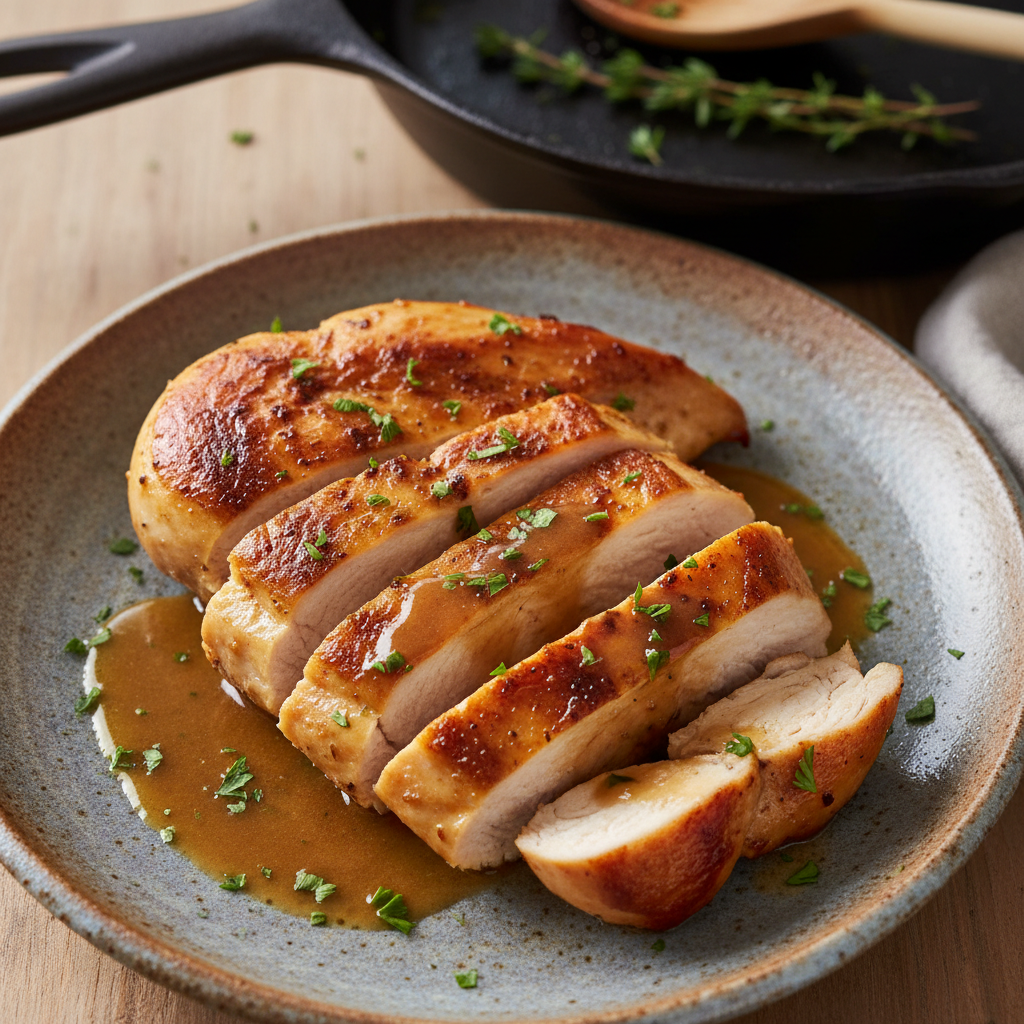
why does my chicken taste bland. Chicken tastes bland due to insufficient seasoning, improper seasoning timing, or cooking methods that fail to build flavor.
why does my chicken taste bland. You cook chicken with care, but it’s just… bland. If you’ve ever found yourself asking, why does my chicken taste bland?, you are not alone. It's one of the most common cooking conundrums. Turning that boring bird into a flavor-packed masterpiece is easier than you think. It's about a few simple, game-changing habits that will make your chicken sing. Ready to say goodbye to bland chicken forever?
why does my chicken taste bland. Want to create your own custom recipes? Try our AI-powered recipe generator for personalized cooking solutions tailored to your ingredients and preferences.
Understanding Bland Chicken: The Core Problem
why does my chicken taste bland. Chicken, especially lean boneless, skinless breast, is a blank canvas. It lacks the rich, inherent flavor of marbled steak. Its mild flavor needs a helping hand.
why does my chicken taste bland. The most common reasons for bland chicken are simple: not enough salt, seasoning at the wrong time, or using a cooking method that doesn't build flavor. We’re going to tackle all three.
Fix #1: Embrace the Power of Salt (Brining is Your Secret Weapon)
why does my chicken taste bland. If you take only one thing away from this post, let it be this: salt your chicken in advance! This isn't just about sprinkling salt on right before cooking. We're talking about giving the salt time to work its magic through brining.
What is Brining?
why does my chicken taste bland. Brining is soaking meat in a saltwater solution. Through osmosis, the chicken absorbs seasoned water, which flavors the meat from the inside out and helps it retain moisture. The result? Incredibly juicy and flavorful chicken. For a deep dive into the science, the experts at Serious Eats have a fantastic guide to brining.
Two Easy Ways to Brine:
- Wet Brine: Dissolve about 1/4 cup of kosher salt and a couple of tablespoons of sugar (optional) in 4 cups of water. Submerge chicken for 30 minutes to an hour for breasts, or a few hours for a whole chicken. Rinse and pat very dry before cooking.
- Dry Brine: Sprinkle chicken generously on all sides with kosher salt (about 1/2 teaspoon per breast). Place on a rack over a plate and rest in the fridge, uncovered, for at least 45 minutes and up to 24 hours. No need to rinse; just pat dry before cooking.
Fix #2: Marinate for Maximum Flavor Infusion
A good marinade is a fast track to deliciousness. It tenderizes meat slightly while infusing flavor. A balanced marinade has three key components:
- Acid: Lemon juice, vinegar, yogurt, or buttermilk. Acid helps tenderize. Be careful not to marinate too long (especially with citrus), as it can make chicken chalky. 30 minutes to 4 hours is usually plenty.
- Fat: Olive oil, avocado oil, or coconut milk. Fat helps transfer fat-soluble flavors and prevents drying.
- Flavor: Garlic, ginger, fresh herbs (rosemary, thyme), dried spices (paprika, cumin, chili powder), soy sauce, honey, mustard—the possibilities are endless.
Whisk ingredients, pour over chicken in a zip-top bag or dish, and refrigerate. For inspiration, check out this guide to healthy fats from Harvard T.H. Chan School of Public Health.
Fix #3: Season Generously and Build Flavor Layers
This might sound obvious, but it's where many home cooks go wrong. Don't be shy with seasonings! A little pinch of salt and pepper isn't enough. Season the surface of the chicken generously so every bite is flavorful.
Think about building layers of flavor. A great all-purpose chicken blend starts with salt, black pepper, garlic powder, and onion powder. From there, add smokiness with paprika, earthiness with cumin, or heat with cayenne. Season every surface before it hits the pan. For more ideas, check out our `ultimate guide to kitchen spices`.
Fix #4: Master a High-Heat Cooking Technique
Boiling or steaming chicken will cook it, but not make it delicious. To develop deep, savory flavor, you need high heat. That's how you achieve the Maillard reaction, the chemical process that turns pale chicken into a gorgeously browned, flavor-packed meal.
Techniques for Terrific Flavor:
- Pan-Searing: Get a heavy-bottomed skillet (like cast iron) screaming hot. Add a bit of high-smoke-point oil. Pat chicken completely dry (moisture is the enemy of browning!) and place it in the pan. Don't touch it! Let it develop a deep, golden-brown crust for 4-5 minutes before flipping.
- Roasting: For larger pieces or whole chickens, roasting at a high temperature (400-425°F / 200-220°C) is perfect. Hot, dry air creates crispy skin and juicy meat.
- Grilling: The ultimate flavor-builder. The combination of high heat and smoke from the charcoal or gas grill is unbeatable.
Fix #5: Finish with a Flourish
Your flavor-building job isn't over when the chicken comes out of the pan. The final moments are your chance to add a burst of fresh, bright flavor.
- Make a Pan Sauce: After pan-searing, you'll have delicious browned bits (fond) stuck to the bottom of the pan. Deglaze the pan with a splash of wine, broth, or even water. Scrape up the bits, add a knob of butter, fresh herbs, or a squeeze of lemon, and you have an instant, incredible sauce. Learn more with our `easy pan sauce recipes`.
- Add Freshness: A squeeze of fresh lemon or lime juice right before serving can awaken all the flavors. A sprinkle of fresh parsley, cilantro, or chives adds a vibrant, aromatic punch.
- Let It Rest: This is crucial! Always let your chicken rest for 5-10 minutes after cooking. This allows juices to redistribute. If you cut into it immediately, flavor will run out. The USDA recommends a safe minimum internal temperature for chicken, and resting helps achieve this while maintaining juiciness. Check out our guide on `how to properly rest meat` for more details.
Recipe: The Ultimate Juicy & Flavorful Pan-Seared Chicken Breast
This recipe puts all our fixes into practice: a quick dry-brine, generous seasoning, a perfect pan-sear, and a simple pan sauce to finish. This is the cure for bland chicken!
Ingredients
- 2 large boneless, skinless chicken breasts (about 8 oz / 225g each)
- 1 teaspoon kosher salt (for dry-brining)
- 1 teaspoon smoked paprika
- 1/2 teaspoon garlic powder
- 1/2 teaspoon onion powder
- 1/4 teaspoon black pepper
- 1 tablespoon olive oil
- 1 tablespoon unsalted butter
- 1/4 cup chicken broth or white wine
- 1 ```
Frequently Asked Questions
Why does my chicken still taste bland even after I season it?
Chicken can still taste bland if you're only seasoning it right before cooking. The salt needs time to penetrate the meat, which is why methods like brining (wet or dry) are so effective at infusing flavor deeply.
What's the main reason why my chicken tastes bland?
The primary reasons your chicken tastes bland are often insufficient salt, seasoning at the wrong time (not allowing it to penetrate), or using cooking methods that don't help build flavor into the meat itself.
How can I prevent my chicken from tasting bland without adding a lot of extra sauces?
The most effective way to prevent bland chicken without relying on sauces is to brine it. This method seasons the chicken from the inside out, making it flavorful and juicy on its own.
Does brining really make a difference if my chicken tastes bland now?
Absolutely. Brining, either wet or dry, is a game-changer because it allows salt and seasonings to permeate the chicken's muscle fibers, ensuring flavor is locked in and not just on the surface.
What's the quick fix if I don't have time to brine and my chicken tastes bland?
Even a short dry brine of 45 minutes can significantly improve flavor. If you're really pressed for time, ensure you generously season all surfaces with kosher salt and pepper, and consider a flavorful cooking method like pan-searing or roasting with aromatics.