7 Ways to Fix Bland Curry and Boost Flavour Instantly
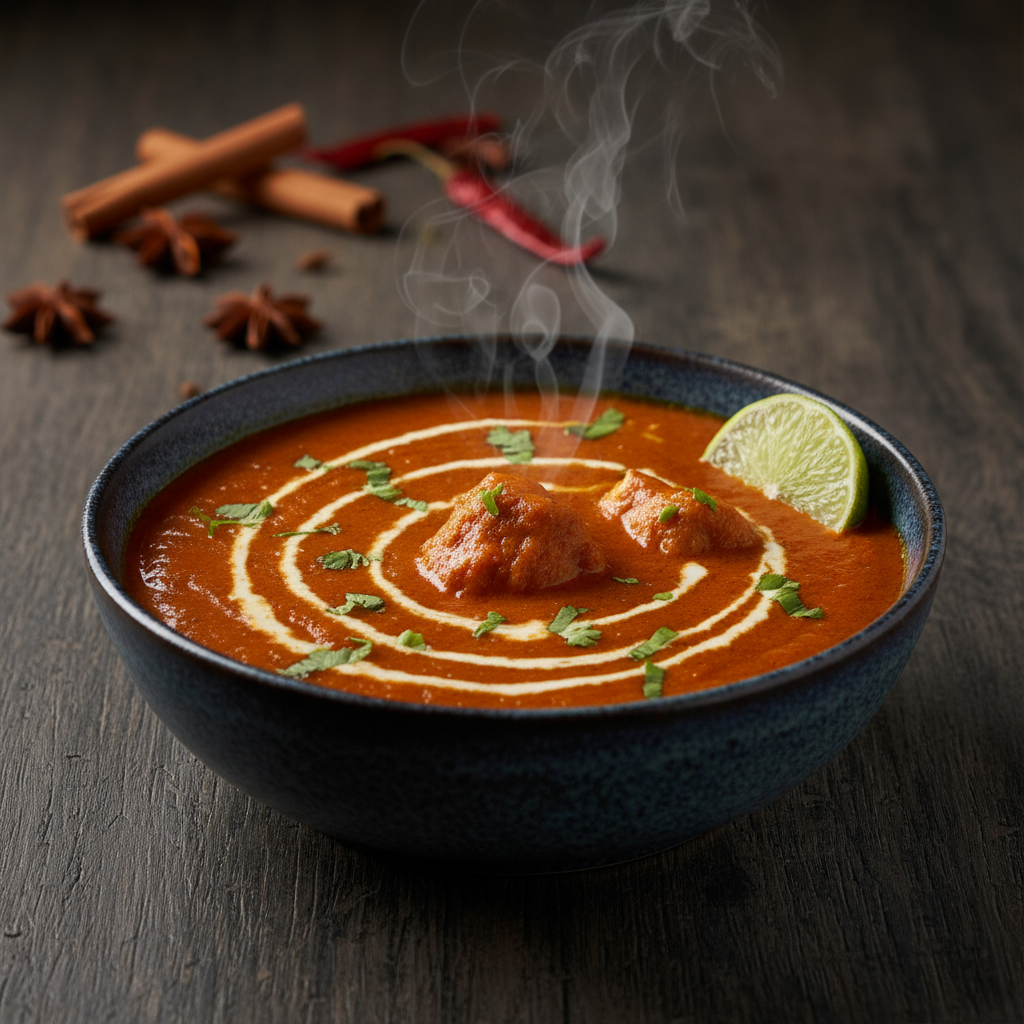
Why Does My Curry Taste Bland?. Your curry tastes bland due to insufficient spice blooming, inadequate aromatics, lack of browning, unbalanced seasoning, or a diluted sauce.
Why Does My Curry Taste Bland?. You've spent time chopping, stirring, and simmering, but the first spoonful is flat and forgettable. If you're asking, Why does my curry taste bland?, you're not alone. This common frustration stems from a lack of punch, depth, or "wow" factor, even when following recipes and using spices.
Why Does My Curry Taste Bland?. The solution is often simple. We'll demystify curry making, break down common culprits, and provide actionable secrets to transform your cooking from timid to tantalizing. Say goodbye to boring dinners.
Why Does My Curry Taste Bland?. Want to create your own custom recipes? Try our AI-powered recipe generator for personalized cooking solutions tailored to your ingredients and preferences.
The Core Problem: Understanding Curry Flavour Balance
Why Does My Curry Taste Bland?. A brilliant curry is a complex harmony, not just heat. It balances Spices (personality), Aromatics (foundation), Fat (flavour carrier), Acidity (brightness), Sweetness (roundness), Salt (amplifier), and Umami (depth). Blandness usually means one or more of these pillars are weak or missing.
Why Does My Curry Taste Bland? The Top 7 Culprits
Why Does My Curry Taste Bland?. If your curry is falling flat, it's likely due to one of these seven common missteps. Let's diagnose the problem.
1. Your Spices are Stale or Weren't Bloomed
Ground spices lose potency quickly, best used within six months. "Blooming" them by frying in hot oil or ghee for 30-60 seconds until fragrant releases fat-soluble essential oils, intensifying flavour. This process, called tempering or tadka, dramatically improves flavour, as Serious Eats explains.
2. You're Not Using Enough Aromatics (The Flavour Base)
Aromatics like onion, garlic, and ginger form the fundamental savoury, pungent flavour base. Don't skimp; use ample fresh ingredients. Proper sautéing is also crucial.
3. You Skipped the Browning Step (Maillard Reaction is Your Friend)
Patience is key for sautéing onions until golden brown, not just translucent. This browning, the Maillard reaction, creates hundreds of new aromatic compounds, adding depth and subtle sweetness. Similarly, browning protein before adding it to the sauce creates a flavourful crust. Avoid crowding the pan to ensure proper browning.
4. The Missing 'Trio of Power': Salt, Acidity, and Sweetness
Bland, muddy curry often lacks this critical trio, which makes other flavours pop.
- Salt: Amplifies all other flavours. If flat, add more salt.
- Acidity: Cuts richness, preventing heaviness. A squeeze of lime or lemon juice, plain yoghurt, or tamarind paste lifts a dull curry.
- Sweetness: Balances heat and acidity for a rounded, complex flavour. A pinch of brown sugar, palm sugar, or natural sweetness from browned onions or coconut milk makes a difference.
5. Your Curry is Too Watery
Excess liquid dilutes flavours. Simmer with the lid off for 10-15 minutes to evaporate water, concentrating the sauce. Always start with less liquid; you can always add more.
6. You're Relying Solely on a Generic Curry Powder
Curry powder is convenient but rarely sufficient alone. Many pre-made blends are one-dimensional and lose flavour quickly. Use curry powder as a base, then boost with individual spices like cumin for earthiness, coriander for citrus notes, turmeric for colour, and chilli powder for heat. This allows flavour tailoring. Consider making your own blends.
7. You Forgot the Finishing Touches
Exceptional curry has layers of flavour added at different stages. Finishing touches, right before serving, add freshness and aroma. Stir in fresh, chopped coriander. Add a swirl of cream or coconut cream for richness. For a professional touch, make a final, quick tadka of whole spices bloomed in hot ghee and pour it over. A sprinkle of garam masala at the very end adds beautiful aroma that would be lost if cooked too long.
How to Fix a Bland Curry: An Emergency Guide
Your curry is bland? Don't panic! Here's your quick-fix cheat sheet:
- If it tastes flat or boring: Add more salt. Still flat? Add a big squeeze of lime or lemon juice. This is the most common fix!
- If it lacks deep, savoury flavour: Add a teaspoon of tomato paste, a splash of soy sauce, or even a dash of fish sauce for umami.
- If it tastes one-dimensional: Quickly bloom some whole cumin seeds or mustard seeds in a little hot oil and stir it in. Or, add a ½ teaspoon of garam masala at the very end.
- If it's too watery: Remove the lid and let it simmer and reduce for 10-15 minutes to concentrate flavours.
- If it's not rich enough: Stir in a few tablespoons of full-fat coconut cream, double cream, or a spoonful of ground almonds.
Recipe: My Never-Bland Chicken Curry
This recipe puts theory into practice, building layers of flavour for a rich, complex, and delicious result. No more bland curry nights!
My Never-Bland Chicken Curry
Prep Time: 20 minutes
Cook Time: 40 minutes
Total Time: 1 hour
Servings: 4
Difficulty: Medium
Ingredients
- 2 tbsp vegetable oil or ghee
- 1 large onion, finely chopped
- 4 cloves garlic, minced
- 1-inch (2.5 cm) piece of fresh ginger, grated
- 1-2 green chillies, finely chopped (optional, to your taste)
- 1 tsp ground cumin
- 1 tsp ground coriander
- 1 tsp turmeric powder
- ½ tsp chilli powder (or more, to taste)
- 700g (1.5 lbs) boneless, skinless chicken thighs, cut into bite-sized pieces
- 400g (14 oz) can of chopped tomatoes
- 1 tsp tomato paste
- 400ml (14 oz) can of full-fat coconut milk
- 1 tsp salt (or to taste)
- ½ tsp brown sugar
- ½ tsp garam masala
- Juice of ½ lime
- A large handful of fresh coriander, chopped
Instructions
```Frequently Asked Questions
Why does my curry taste bland even after adding spices?
Your curry might taste bland despite adding spices if those spices are stale or weren't properly bloomed. Ground spices lose potency over time, and "blooming" them in hot oil or ghee releases their essential oils, intensifying their flavor dramatically.
What are the main reasons why a curry would taste bland?
A curry tastes bland due to several common issues, including insufficient spice blooming, not using enough fresh aromatics (like onion, garlic, ginger), and skipping the crucial browning step for ingredients through the Maillard reaction. It can also stem from unbalanced seasoning or a diluted sauce.
How can I prevent my curry from tasting bland from the start?
To prevent a bland curry, ensure your spices are fresh and always bloom them in hot oil or ghee before adding other ingredients. Don't skimp on fresh aromatics like onions, garlic, and ginger, and take the time to properly brown them (along with any protein) to build foundational flavor.
Why does my curry lack depth and "wow" factor?
Your curry likely lacks depth and a "wow" factor because one or more foundational flavor pillars are weak or missing. This includes insufficient spice personality, an inadequate aromatic base, a bland fat carrier, or a lack of balance in acidity, sweetness, salt, and umami.
What is "blooming spices" and how does it help a bland curry?
"Blooming spices" (also known as tempering or tadka) involves frying them in hot oil or ghee for 30-60 seconds until fragrant. This process releases the fat-soluble essential oils from the spices, intensifying their flavor significantly and preventing your curry from tasting bland.
```