
Why Does My Rice Burn at the Bottom? 7 Proven Fixes
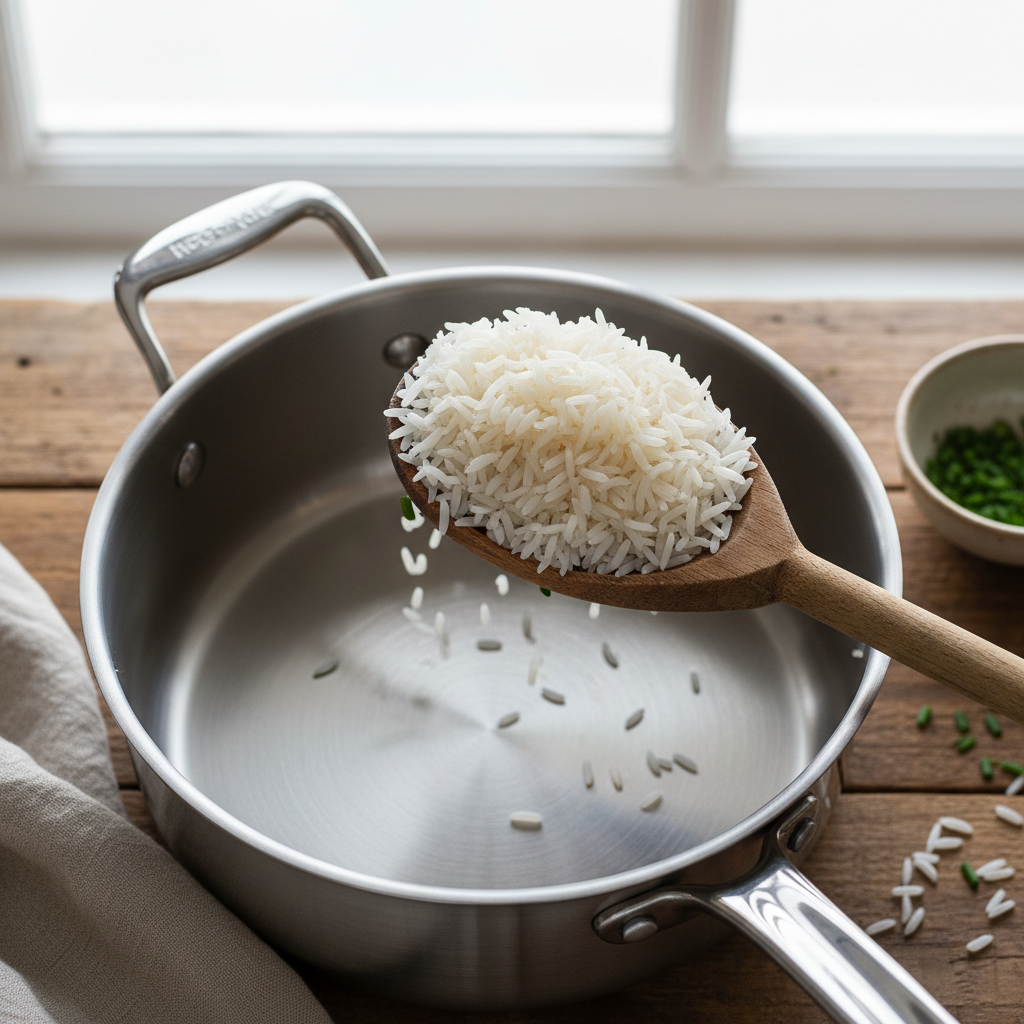
rice burn at the bottom. Your rice burns at the bottom primarily due to excessive heat, insufficient water, using the wrong pot, or disturbing the cooking process by peeking and stirring.
rice burn at the bottom. The acrid, smoky scent of burnt rice is a common kitchen frustration. Instead of fluffy perfection, your spoon hits a solid, blackened layer. This humble grain can be surprisingly temperamental, but achieving perfectly cooked rice without a scorched base is a science. Once you understand what’s going wrong, you can fix it for good.
rice burn at the bottom. Want to create your own custom recipes? Try our AI-powered recipe generator for personalized cooking solutions tailored to your ingredients and preferences.
The Science of Scorched Rice
rice burn at the bottom. When rice burns, it's chemistry gone wrong. The problem starts with direct, uneven heat and the nature of rice itself. Rice grains are packed with starch. As they cook, they absorb moisture and release starch. When heat is too high, water at the bottom boils off too quickly, leaving rice and starches in direct contact with hot metal.
rice burn at the bottom. Initially, this creates the Maillard reaction, a delicious browning. However, a few seconds too long, or a few degrees too hot, turns this browning into carbonisation – a bitter, blackened crust.
7 Reasons Your Rice Burns at the Bottom
rice burn at the bottom. Pinpointing which of these culprits is at play in your kitchen is the first step to solving burnt rice.
1. Your Heat is Way Too High
rice burn at the bottom. Excessive heat is the number one reason for burnt rice. Blasting the heat cooks rice faster but burns the bottom before the top steams. The correct method is to use high heat only to bring water to a boil. The second it boils, reduce heat to the absolute lowest setting. The goal is a gentle simmer, not a rolling boil. Cooking should be done by trapped steam, not aggressive direct heat.
Pro Tip: For electric coil stoves, consider a heat diffuser. This metal plate sits between the burner and pot, distributing heat evenly and preventing scorching hot spots.
2. The Wrong Pot for the Job
rice burn at the bottom. Thin, flimsy saucepans distribute heat poorly, creating intense hot spots that guarantee burnt rice. Opt for a pot with a heavy, thick bottom. Materials like multi-ply stainless steel, cast iron (Dutch oven), or heavy-gauge aluminum are excellent. As explained by Serious Eats, these materials absorb and distribute heat slowly and evenly, creating a gentle cooking environment.
3. The Rice-to-Water Ratio is Off
Too little water means it evaporates before rice cooks, leaving the bottom layer dry against a hot pan, leading to burning. A general rule for long-grain white rice (basmati, jasmine) is 1:1.5 (1 cup rice to 1.5 cups water). This varies by rice type, age, and humidity. Always check package directions first. Measuring accurately is key. If you're exploring different grains, check out our guide to `cooking ancient grains`.
4. You Didn't Rinse Your Rice
Skipping rinsing makes cooking harder. The dusty coating on uncooked rice is excess surface starch. Without rinsing, this starch mixes with water, creating a sticky, glue-like substance prone to sticking and scorching. As Harvard T.H. Chan School of Public Health highlights, rinsing is crucial for fluffier, separate grains. Rinse rice in a fine-mesh sieve under cold water until it runs clear. The only exception is for dishes needing creamy, starchy texture, like risotto.
5. You're a Compulsive Stirrer (or a Peeker!)
Once the lid is on and heat is down, your job is done. Lifting the lid releases precious steam essential for even cooking. Stirring is worse; it releases more starch, creating a sticky mess that will burn. The rule: bring to a boil, stir once to separate grains, then lid on and do not touch it until it's time to rest.
6. The Pan is Too Big or Too Small
Pan size matters. A small amount of rice in a wide pot means water spreads thin and evaporates too quickly, causing scorching. Overcrowding a small pot compresses the bottom layer, preventing expansion and leading to uneven cooking and sticking. As a rule, uncooked rice and water should fill the pot no more than halfway.
7. You're Skipping the Final Rest
This is an underrated step. After cooking and water absorption, rice isn't quite ready. Grains at the bottom are hotter and drier. Take the pot off heat, covered, for 5-10 minutes. Residual heat and steam finish cooking and redistribute moisture, resulting in evenly cooked, fluffy rice that releases easily from the pan.
Turning a Mistake into a Masterpiece: Embracing Crispy Rice
While preventing burnt rice is key, a controlled crispy bottom can be a delicacy. Many cultures prize this golden, crunchy layer.
In Spanish cuisine, socarrat is the coveted crispy layer at the bottom of paella. As explained by Serious Eats, it's achieved by listening for a crackling sound and increasing heat for the final minute. It’s toasted and nutty, not burnt. Persian cuisine has tahdig, a spectacular golden crust of rice, often with saffron and yogurt. In Korea, nurungji is scorched rice, eaten as a snack or rehydrated into porridge. The key for these is using fat (oil or butter) and carefully managing heat to toast, not incinerate.
Your Foolproof Checklist for Fluffy, Burn-Free Rice
Here’s a quick-reference checklist for perfect rice. For more essential gear, see our list of `essential kitchen tools`.
- Rinse It: Wash away excess surface starch until water runs clear.
- Use the Right Pot: Choose a saucepan with a heavy, thick bottom.
- Measure Correctly: Use the proper rice-to-water ratio, following package directions.
- Simmer, Don't Boil: Bring to a boil, then immediately reduce to the lowest heat.
- Lid On, Hands Off: Do not peek or stir once simmering. Let steam work.
- Let It Rest: Always let rice sit off heat, covered, for 5-10 minutes before fluffing.
- Consider a Diffuser: For electric stoves, a heat diffuser is a game-changer.
The mystery of burnt rice is solved. It's a combination of heat management, equipment, and technique. It's a skill, like learning `how to cook perfect pasta`.
Don't be discouraged if it takes a couple of tries. Cooking is a journey of discovery. Go forth and steam with confidence!
What are your secret tips for perfect rice? Share them in the comments below!
Conclusion
Achieving perfectly cooked, burn-free rice is entirely within reach by understanding a few key principles. The primary culprits for burnt rice are often too high heat, an incorrect rice-to-water ratio, using a thin pot, and disturbing the cooking process. By rinsing your rice, using a heavy-
```Frequently Asked Questions
Why does my rice burn at the bottom even with enough water?
Even with sufficient water, your rice can still burn at the bottom if the heat is too high. The water boils off too quickly, leaving the grains directly exposed to the hot metal of the pot.
What is the main reason rice burns at the bottom?
The primary reason rice burns at the bottom is excessive heat. Using high heat beyond the initial boil causes water to evaporate too quickly, leading to the rice charring on the bottom before it's fully cooked.
How can I prevent my rice from burning at the bottom on an electric stove?
For electric stoves, consider using a heat diffuser. This metal plate placed between the burner and the pot helps distribute heat more evenly, preventing hot spots that cause rice to burn at the bottom.
Does the type of pot matter if my rice burns at the bottom?
Yes, the type of pot significantly impacts whether your rice burns at the bottom. Thin, flimsy pots distribute heat unevenly; always opt for a pot with a heavy, thick bottom like multi-ply stainless steel or cast iron for better heat diffusion.
Is there a difference between browning and my rice burning at the bottom?
Initially, browning is a desirable Maillard reaction, but if heat is too high or cooking time too long, this quickly turns into carbonization, which is your rice burning at the bottom and becoming bitter and blackened.