
Mushy Rice? 6 Reasons It Happens (And How to Prevent It)
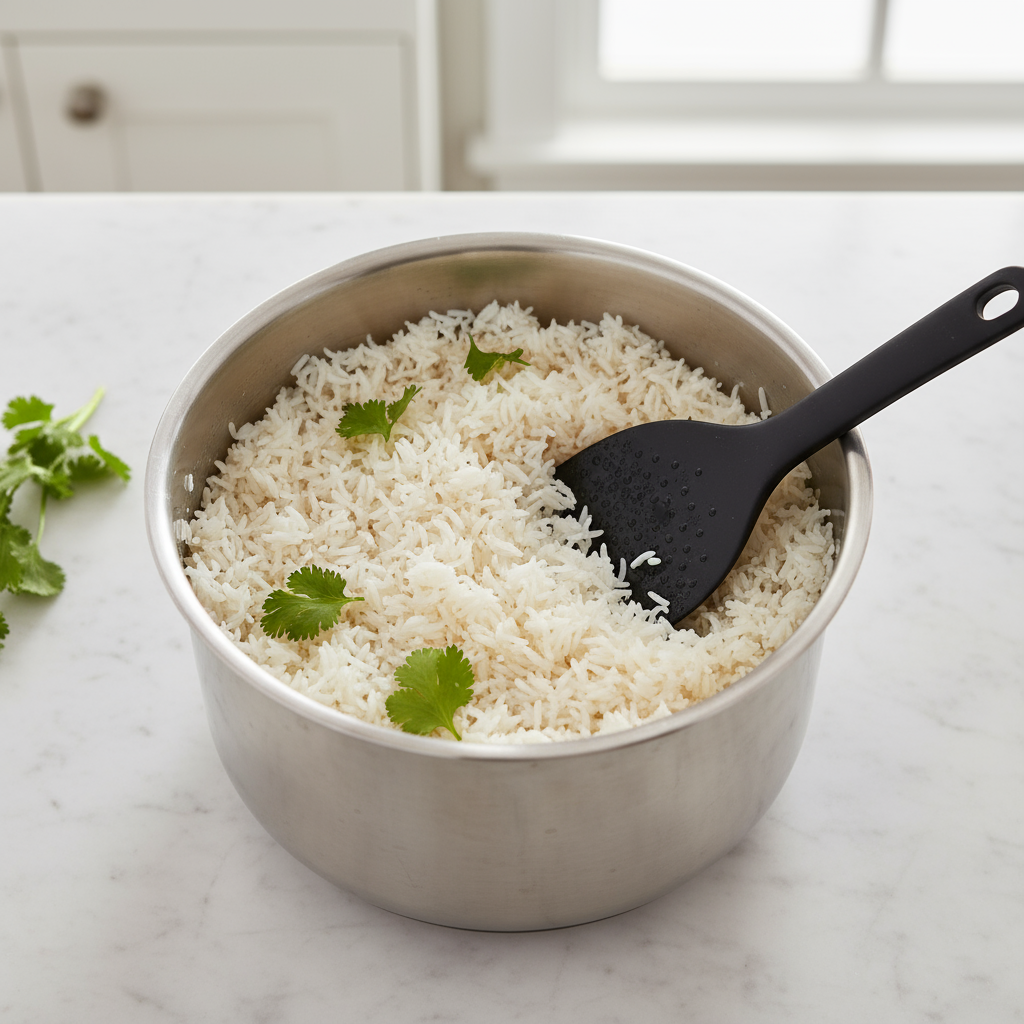
Rice becomes mushy when excess water breaks down starch structure. Correct ratios and minimal stirring prevent this.
What Causes Mushy Rice?
Mushy rice occurs when grains absorb too much water, are agitated excessively, or release too much starch, leading to a sticky, clumpy texture. Grains swell, split, and release excess starch, creating a gluey texture instead of light, separate grains. Understanding these mechanisms is key to prevention.
Main Reasons Your Rice Becomes Mushy
1. Too Much Water
Excessive water-to-rice ratio is the primary cause. Grains absorb more than they can handle, causing them to burst. Always measure precisely according to your specific rice variety.
2. Stirring Once Covered
Agitating grains after covering breaks their structure and releases surface starch, leading to a soft, sticky texture. Once covered, resist stirring; let steam work undisturbed.
3. Heat Too High
After the initial boil, rice needs the lowest possible simmer. A vigorous boil jostles grains, damaging them and encouraging a mushy texture. Gentle, even heat is crucial.
4. Skipping the Rinse
For most white rice, thorough rinsing removes excess surface starch that glues grains together. Rinse until the water runs mostly clear to improve texture.
Quick video tutorial: The proper technique for washing rice to prevent mushy rice
5. Not Resting After Cooking
Immediate serving doesn't allow moisture to redistribute. A 10-minute rest off the heat, lid on, lets steam finish cooking gently and stabilizes texture.
Quick Rescue Methods for Mushy Rice
Oven-Dry Method
Spread cooked rice thinly on a baking sheet. Place in a 300°F (150°C) oven for 8–12 minutes. Dry heat evaporates excess moisture, firming it up. Stir occasionally.
High-Heat Fried Rice
Chill the rice, then stir-fry over high heat with vegetables, eggs, and soy sauce. Intense heat evaporates excess moisture, transforming it into fried rice.
Lean Into Creamy Dishes
For very soft rice, embrace the texture. It's perfect for congee (savory rice porridge) or sweet rice pudding, making the texture intentional.
For more detailed techniques on different rice varieties, Serious Eats provides in-depth science behind rice preparation.
How to Cook Perfect Rice Every Time
The Proven Method to Avoid Mushy Rice
Follow this precise method for consistently perfect rice:
- Rinse thoroughly: Place rice in a fine-mesh strainer and run cold water through it, stirring until water runs mostly clear. This removes excess surface starch.
- Use correct ratios: For standard long-grain white rice, use 1 cup rice to 1¾ cups water. Jasmine needs 1:1.5. Basmati works best at 1:1.5. Short-grain varieties often need slightly less water.
- Bring to boil uncovered: Heat on high until water reaches a full, rolling boil.
- Immediately reduce heat: Turn burner to the lowest setting, cover tightly, and set a timer for 15-18 minutes (white rice) or 40-45 minutes (brown rice).
- Don't lift the lid: Resist checking—every peek releases crucial steam.
- Rest off heat: When the timer goes off, remove pot from burner but keep lid on for 10 more minutes.
- Fluff gently: Use a fork to separate grains with a gentle lifting motion.
Rice Variety Tips
Different rice types have varying starch levels:
- Long-grain white rice: Naturally separates; least prone to mushiness.
- Jasmine rice: Slightly stickier, but should have distinct grains.
- Basmati rice: Long, aromatic grains that stay separate.
- Short-grain rice: Naturally stickier (for sushi); requires precise water ratios.
- Brown rice: Takes longer to cook but follows the same principles.
Common Mistakes That Lead to Mushy Rice
6. Using the Wrong Pot
A pot with a loose-fitting lid allows steam to escape, forcing more water addition, leading to mushy rice. Use a heavy-bottomed pot with a tight-fitting lid.
7. Cooking at Inconsistent Temperatures
Electric stoves with cycling temperatures can cause uneven cooking. Consider a rice cooker for more consistent results.
Frequently Asked Questions About it
Can I fix it that's already cooked?
Yes! Spread it on a baking sheet and dry in a 300°F oven for 10 minutes, or transform it into fried rice, congee, or rice pudding.
Why does my rice cooker make it?
Even rice cookers can produce it with incorrect water ratios or unrinsed rice. Follow your rice cooker's specific instructions.
Is it safe to eat?
Absolutely! It is perfectly safe; it's a texture issue, not a food safety concern, as confirmed by general Food Standards Agency guidance on rice. Many cultures prefer softer rice textures.
How much should I rinse rice to prevent it becoming mushy?
Rinse until the water runs mostly clear—usually 3-4 rinses. This removes excess surface starch without washing away nutrients.
Conclusion
Achieving perfectly fluffy rice is a skill within reach. The key to preventing it lies in precise water measurement, thorough rinsing, gentle and consistent heat, and adequate resting time. Mastering these techniques will transform a common cooking frustration into consistent success, yielding beautifully separated grains every time.
```
Prevent This Next Time
Measure water precisely (1:1.5 for white rice), never stir during cooking, and rinse rice thoroughly before cooking to remove surface starch.
Frequently Asked Questions
Can you fix mushy rice?
Yes — spread it on a baking sheet and bake at 180°C/350°F for 5–10 minutes to evaporate excess moisture. You can also make fried rice, which works best with overcooked grains.
Why does my rice always come out mushy?
Usually too much water, stirring during cooking, or not rinsing rice beforehand. Surface starch makes grains stick together and become gummy.
Does rinsing rice really matter?
Absolutely. Rinsing removes loose surface starch that causes grains to clump. Rinse until water runs clear — this is the single biggest step for fluffy rice.