
The Secret to Never Burning Rice Again (7 Pro Tricks)
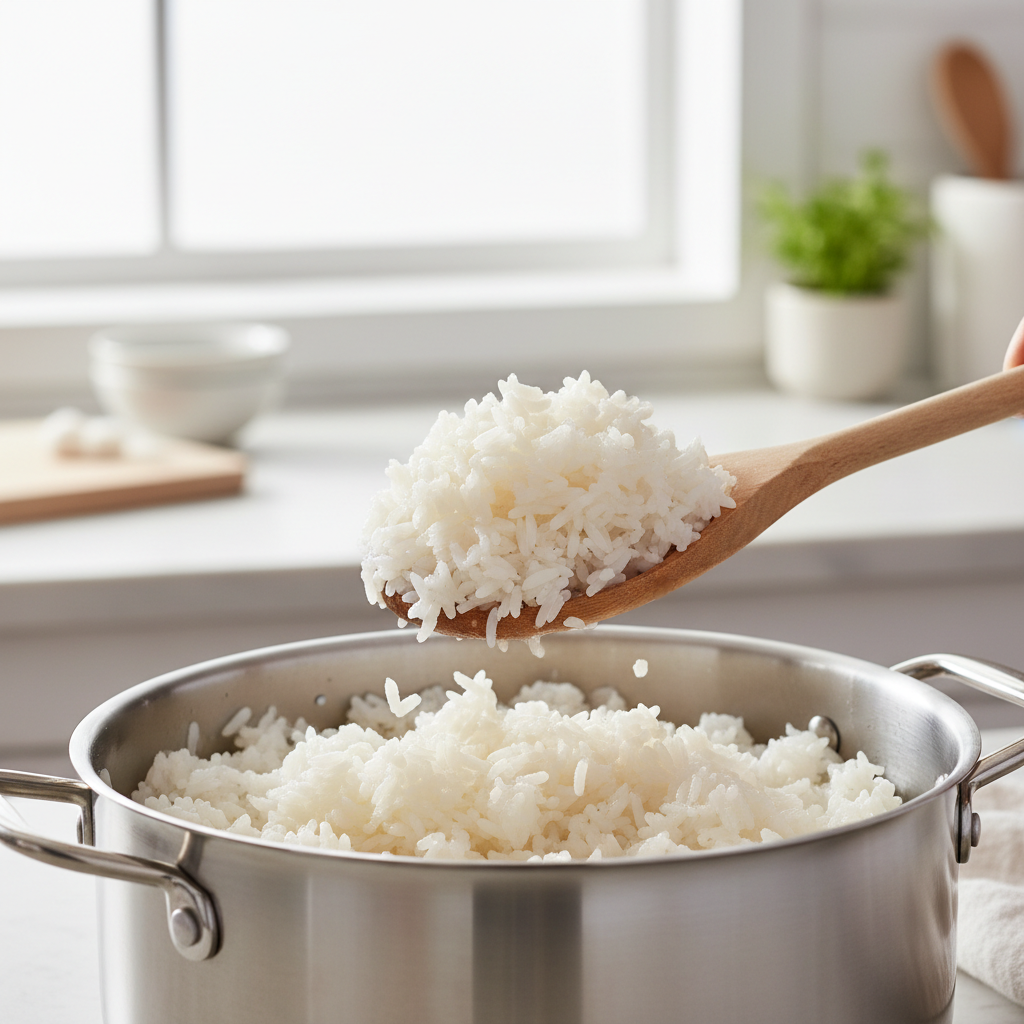
Why Does My Rice Keep Burning on the Bottom? 7 Proven Fixes
Your rice burns on the bottom primarily due to excessive heat, an incorrect pot, an off rice-to-water ratio, too much peeking/stirring, or not rinsing the rice.We’ve all been there. You follow the steps, set a timer, and when you go to fluff it, you’re hit with that unmistakable, acrid smell of burnt grains. It’s frustrating, wasteful, and can ruin a meal. If you’ve ever wondered, “Why does my rice keep burning on the bottom?”—you are not alone.
rice keep burning on the bottom. It’s a completely fixable problem. With a few simple tweaks to your technique, you can banish burnt rice from your kitchen forever.
rice keep burning on the bottom. Want to create your own custom recipes? Try our AI-powered recipe generator for personalized cooking solutions tailored to your ingredients and preferences.
Why Does My Rice Keep Burning on the Bottom?
rice keep burning on the bottom. Burnt rice isn't a sign of a bad cook; it's usually just a simple science experiment gone slightly wrong. The issue typically boils down to one (or a combination) of five key culprits. Understanding them is the first step to perfect, fluffy rice.
1. The Heat is Way Too High
rice keep burning on the bottom. This is the number one offender. Many start rice on high heat to boil quickly, then forget to turn it down. Rice needs a gentle, consistent simmer, not a roaring fire.
rice keep burning on the bottom. When heat is too high, water at the bottom boils off too quickly, before grains absorb it. This leaves the bottom layer with no liquid, causing it to scorch against the hot metal while the top remains undercooked. The goal is gentle steaming, not aggressive boiling.
2. The Wrong Pot is Sabotaging You
Not all pots are created equal for cooking rice. A thin, flimsy pot sets you up for failure due to poor heat distribution and intense "hot spots" over the burner where burning begins.
A heavy-bottomed pot or saucepan distributes heat slowly and evenly across its base. This prevents scorching and ensures all rice cooks at the same rate. As Serious Eats often points out, quality cookware is an investment in better cooking.
3. Your Rice-to-Water Ratio is Off
The rice-to-water ratio is a delicate balance. Too much water yields mushy rice. Too little, and the liquid evaporates before rice is cooked, leading directly to a burnt bottom layer.
While "1 cup of rice to 2 cups of water" is a common starting point, it's not universal. The ideal ratio changes based on rice type (long-grain, jasmine, basmati, brown), age, and even pot width. We'll cover the perfect ratio in our recipe below!
4. You're Peeking (and Stirring!) Too Much
It's tempting to lift the lid, but resist the urge! Every time you lift the lid, you release essential steam for even cooking.
Cooking rice is a two-part process: grains absorb water, and they cook in trapped steam. Losing steam means the top layer won't cook properly, tempting you to cook longer, giving the bottom more time to burn. Put the lid on, turn the heat to low, and trust the process.
5. You Didn't Rinse Your Rice
That dusty, powdery coating on uncooked rice is excess surface starch. Not rinsing it off causes problems.
This excess starch dissolves, making water thick and gluey. This starchy slurry sinks to the bottom, easily scorching and causing grains to clump and stick. Rinsing rice under cold water until clear is non-negotiable for fluffy, separate grains and a clean pot. This simple act of washing rice is a traditional practice for a very good reason.
The Simple Science of Fluffy Rice
When you cook rice, you're performing starch gelatinization. Grains absorb hot water, causing starch molecules to swell and soften, transforming them into tender, edible grains.
The key is enough water for absorption and gentle heat for steam. If the balance is off—too much direct heat, not enough water, or escaped steam—the system breaks down. The bottom layer overcooks and burns before the top is done.
Different rice types have different starch contents and require slightly different approaches. Long-grain rice like jasmine and basmati has less amylopectin, cooking into separate, fluffy grains. Short-grain rice, like sushi rice, is starchier and meant to be stickier. For more, check out our `a guide to different rice varieties`.
Your Foolproof Guide to Fluffy, Burn-Free Rice
Okay, enough theory! Let's put this knowledge into practice. Cooking perfect rice on the stovetop is a skill that takes practice following the right method. You don't need a fancy rice cooker. For basics, the NHS provides guidance on cooking rice safely, but we're getting more detailed.
Here are the four pillars of burn-free rice:
- RINSE: Always rinse rice to remove excess surface starch.
- RATIO: Use the correct rice-to-water ratio. For most long-grain white rice, 1 cup of rice to 1.5 cups of water is a fantastic starting point.
- HEAT CONTROL: Bring to a boil, then immediately reduce to the lowest possible simmer and cover with a tight-fitting lid.
- REST: This is crucial! Once water is absorbed, turn off heat and let rice sit, covered and undisturbed, for 10 minutes. This allows residual steam to finish cooking and ensures even texture.
Recipe: Perfect, Fluffy Stovetop Rice (No Burning!)
This recipe is your go-to method for perfect long-grain white rice (like jasmine or basmati) every time. Say goodbye to that scorched bottom layer for good.
Foolproof Fluffy Stovetop Rice
Difficulty: Easy
Prep time: 5 minutes
Cook time: 20 minutes
Rest time: 10 minutes
Total time: 35 minutes
Servings: 4
Ingredients
- 1 cup (200g) long-grain white rice (e.g., jasmine or basmati)
- 1 ½ cups (355ml) cold water or broth
- ½ teaspoon salt
- 1 tablespoon butter or oil (optional, adds flavor and helps prevent sticking)
Instructions
- Rinse the Rice: Place rice in a fine-mesh sieve. Rinse under cold running water, swishing grains, for 1-2 minutes until water runs clear. Drain completely.
- Combine Ingredients: In a heavy-bottomed saucepan with a tight-fitting lid, combine rinsed rice, water (or broth), salt, and butter/oil (if using). Give one quick stir.
- Bring to a Boil: ```
Frequently Asked Questions
Why does my rice keep burning on the bottom even when I use a lid?
Even with a lid, your rice can burn if the heat is too high. The lid helps trap steam, but excessive heat still causes water at the base to evaporate too quickly, leaving the bottom grains to scorch against the hot pot.
What is the most common reason for rice to keep burning on the bottom?
The number one offender for rice keeping burning on the bottom is usually heat set too high. Many cooks start with high heat to boil water quickly, but forgetting to reduce it to a gentle simmer for the rest of the cooking time is a major culprit.
Can the type of pot prevent my rice from burning on the bottom?
Absolutely. A thin, flimsy pot creates "hot spots" leading to burnt rice on the bottom. Switching to a heavy-bottomed pot or saucepan distributes heat much more evenly, significantly reducing the likelihood of scorching.
Besides keeping my rice from burning on the bottom, what other issues can an incorrect rice-to-water ratio cause?
Beyond causing your rice to keep burning on the bottom, an incorrect rice-to-water ratio can lead to other problems. Too much water results in mushy, overcooked rice, while too little will leave your rice undercooked and dry, even if it doesn't completely burn.
Is rinsing rice related to why my rice keeps burning on the bottom?
While not a direct cause of burning, not rinsing your rice can indirectly contribute to issues. Rinsing removes excess starch, which can make the rice stickier and more prone to sticking and potentially burning if other factors like heat aren't perfectly managed.
```