
Why Does My Rice Overflow? 7 Hacks for Fluffy Grains - Guide
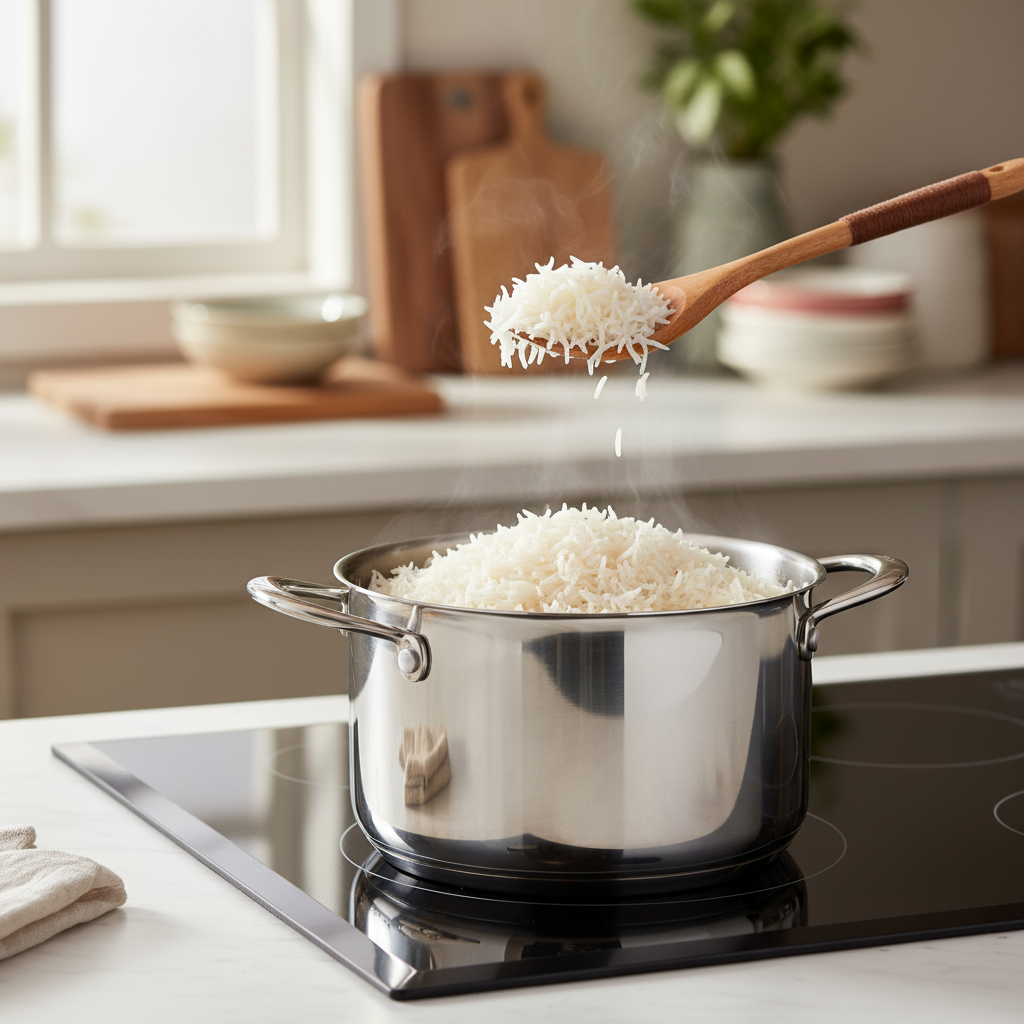
Why Does My Rice Overflow. Rice overflows due to excess starch creating stable foam bubbles pushed over the pot's edge by steam.
Why Does My Rice Overflow. The dreaded hiss-sizzle-pop of starchy water boiling over the side of the pot is a common kitchen frustration. If you’ve ever found yourself asking, “Why does my rice overflow and make such a mess?”—you are not alone! It's a fixable problem.
Why Does My Rice Overflow. This guide dives into the science behind boil-overs, identifies common mistakes, and provides practical tips for perfectly fluffy, contained rice. Say goodbye to that starchy crust on your stove for good!
Why Does My Rice Overflow. Want to create your own custom recipes? Try our AI-powered recipe generator for personalized cooking solutions tailored to your ingredients and preferences.
The Starchy Science: Understanding Why Rice Overflows
Why Does My Rice Overflow. The main culprit for rice overflow is starch. Rice grains release amylose and amylopectin starches into the cooking water. This starchy water is thicker and more stable than plain water.
As water heats and steam bubbles form, they don't pop easily. Instead, they get trapped in a thick, foamy layer on the surface. As more steam builds, it pushes this starchy foam over the pot's edge. Adding a lid traps steam, increasing upward pressure on the foam, leading to overflow.
It's a Foam Party, and Your Stove Isn't Invited
The starch in rice water acts like soap, creating resilient bubbles that pile up quickly. Understanding this science is key to managing starch. Our goal is to manage starch, not eliminate it, to prevent overflow. Now let's look at common habits that worsen this problem.
Top 4 Mistakes That Cause Your Rice to Boil Over
Identifying these common mistakes is the first step to understanding why your rice overflows and how to stop it.
1. Using a Pot That's Too Small
This is a primary reason for boil-overs. Rice nearly triples in volume, and you need space for water and steam. If your rice and water fill the pot more than halfway, there's no room for foam without spilling.
2. Skipping the Rinse
Uncooked rice grains are coated in excess starch from milling. If not rinsed, this starch enters the cooking water, creating extra-thick, foamy conditions. Skipping the rinse directly contributes to overflow and results in gummy rice. For more on the science of rinsing rice, check out this great explainer from Serious Eats on why you should rinse your rice.
3. The Wrong Water-to-Rice Ratio
Too much water increases boil-over likelihood and results in mushy rice. It creates a larger volume of starchy water, increasing overflow potential. Different rice types require different water amounts, so a one-size-fits-all approach is a common pitfall.
4. Cooking with Too Much Heat
Rice should not cook at a rolling boil for the entire time. After bringing water to a boil, immediately reduce heat to a gentle simmer. High heat agitates starch molecules, releasing more into the water and causing violent bubbling, which pushes foam out faster.
7 Fail-Proof Tips to Prevent Rice From Overflowing
Here are my go-to methods for perfect, mess-free rice. Incorporate these into your routine, and you'll solve the “why does my rice overflow” mystery for good.
1. Pick the Right Pot
Choose a heavy-bottomed pot at least twice the volume of your uncooked rice and water combined. A heavy base distributes heat evenly, and extra height gives foam room to expand without escaping.
2. Rinse Your Rice Thoroughly
Place rice in a bowl, cover with cold water, and swirl. The water will turn milky. Drain and repeat 3-4 times until water runs mostly clear. This dramatically reduces foam.
3. Nail the Water Ratio
For most long-grain white rice (Basmati or Jasmine), a good starting point is 1 cup of rice to 1.5 cups of water. Parboiled rice might use closer to a 1:2 ratio. Check package directions and adjust. The "first knuckle" method also works well once mastered.
4. Add a Little Fat
A teaspoon of oil (coconut or vegetable) or a small knob of butter in the cooking water helps break down the surface tension of starchy bubbles, making them less stable and less likely to foam excessively.
5. Use the Wooden Spoon Trick
Lay a wooden spoon across the pot. When foam rises and touches the spoon, its porous, water-repelling surface breaks the bubbles. It's a great safety net when combined with other methods. Food safety guidance from the Food Standards Agency also emphasizes proper cooking techniques for rice.
6. Master Your Heat Control
Bring rice and water to a boil over medium-high heat. The moment it boils, give one quick stir, clamp on a tight-fitting lid, and immediately reduce heat to the lowest possible setting. A gentle simmer is all you need.
7. Let It Rest!
After cooking (15-20 minutes), do not lift the lid! Turn off heat and move the pot to a cool burner. Let it sit, covered, for at least 10 minutes. This allows residual steam to redistribute and finish cooking, resulting in incredibly fluffy, separate rice. This step is key to restaurant-quality rice.
Rice in an African Context: Perfect for Jollof, Stews, and More
In many African dishes, rice is the foundation. Whether making Jollof Rice, a base for Groundnut Soup, or a side for Egusi, getting the rice right is essential.
Many West African recipes use parboiled rice, which is firmer and less sticky, according to Harvard T.H. Chan School of Public Health. While more forgiving, it still releases starch and can boil over if using a small pot or too much heat. Mastering these techniques improves all your rice dishes.
Now, let's put it all into practice with a foolproof recipe. You'll never have to ask "why does my rice overflow?" again!
Recipe: Foolproof Fluffy Stovetop Rice
This recipe uses all the techniques discussed to guarantee perfect, fluffy Basmati rice without messy boil-overs.
Foolproof Fluffy Stovetop Rice
Difficulty: Easy
Prep time: 10 minutes
Cook time: 20 minutes
Resting time: 10 minutes
Total time: 40 minutes
Servings: 4
Ingredients
- 1 cup (200g) Basmati rice
- 1 ½ cups (355ml) cold water
- ½ teaspoon salt
- 1 teaspoon vegetable oil or butter (optional, but recommended)
Instructions
- Rinse the Rice: Place rice in a medium bowl. Cover with cold water and swirl. Water will become cloudy. Pour off water. Repeat 3-4 times until water is mostly clear. Drain completely in a fine-mesh sieve.
- Combine Ingredients: In a heavy-bottomed pot (at least ```
Frequently Asked Questions
Why does my rice overflow even with a lid?
Adding a lid traps steam, which increases the upward pressure on the starchy foam forming on the surface. This concentrated steam then pushes the foam more aggressively over the pot's edge, causing your rice to overflow.
What is the main reason why my rice overflows?
The primary culprit for rice overflow is starch released from the grains. This starch creates a thick, stable foam when heated, and as steam builds, it pushes this foam out of the pot.
How can the size of my pot affect why my rice overflows?
Using a pot that is too small for your rice and water is a major reason for boil-overs. Rice grains nearly triple in volume, and if the pot is more than half full, there won't be enough room for the starchy foam and expanding steam without spilling.
Does rinsing rice help with why my rice overflows?
Yes, rinsing rice significantly helps prevent overflow. Uncooked rice grains have excess starch on their surface from milling, and rinsing removes this, leading to less starchy and foamy cooking water.
Why does my rice boil over despite following recipes?
Even when following recipes, common mistakes like using a pot that's too small or not vigorously rinsing the rice can lead to boil-overs. The amount of starch released dictates how much foam will develop, pushing the boundaries of your pot.