Why Is My Chicken Dry? 7 Secrets to Juicy Perfection - Guide
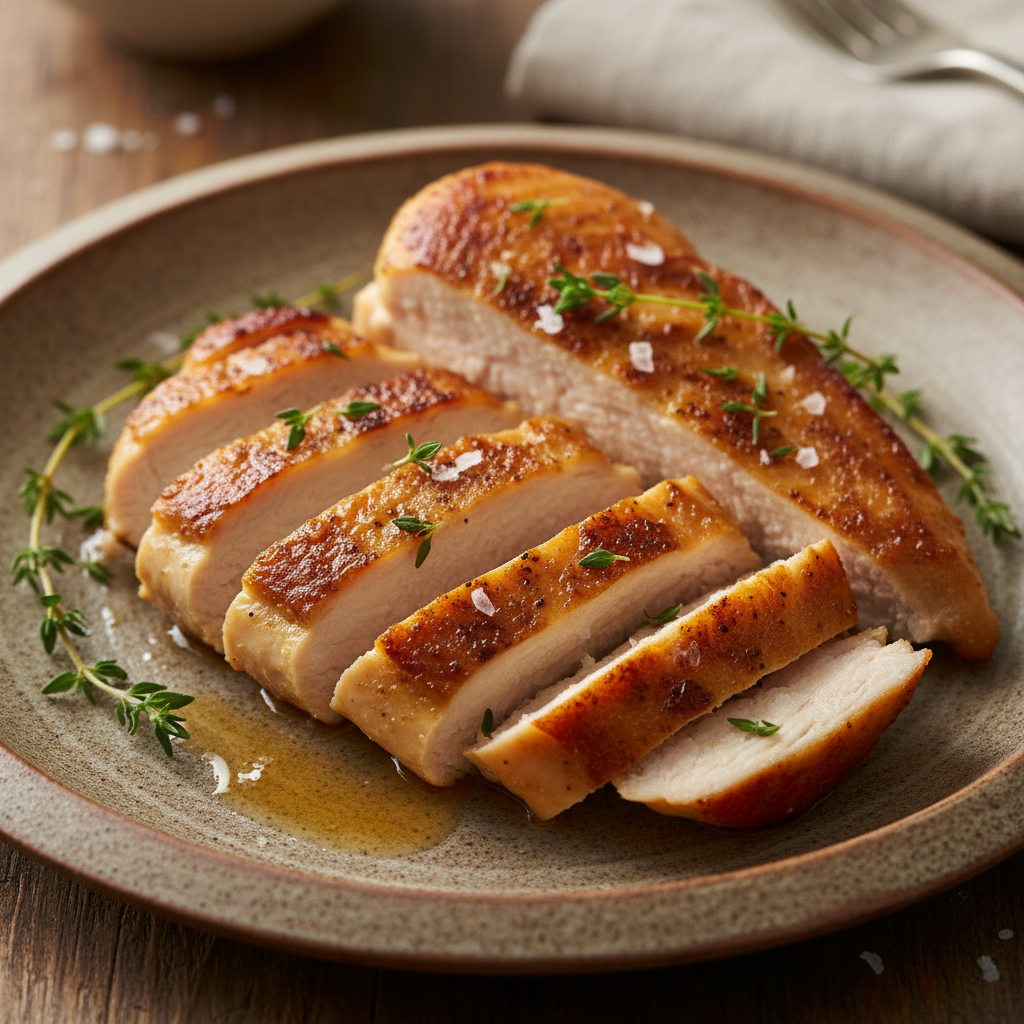
Why Is My Chicken Dry? 7 Secrets to Juicy Perfection - Guide
Why Is My Chicken Dry. Your chicken is dry primarily because you are overcooking it, often due to not using a meat thermometer or choosing inappropriate cooking methods for the cut.
Why Is My Chicken Dry. You’ve planned the perfect dinner, but the chicken is tough, chewy, and disappointingly dry. If you find yourself constantly asking, why is my chicken dry, you are in the right place. It’s not the chicken’s fault, it’s the technique! We'll dive deep into the science and art of cooking chicken, transforming you into a poultry pro. Get ready to say goodbye to dry chicken forever.
Why Is My Chicken Dry. Want to create your own custom recipes? Try our AI-powered recipe generator for personalized cooking solutions tailored to your ingredients and preferences.
1. Overcooking: The #1 Culprit
Why Is My Chicken Dry. The most common reason for dry chicken is cooking it for too long. When meat is heated, muscle fibers contract and squeeze out moisture. The longer it cooks, the tighter they squeeze, resulting in dry chicken.
Use a digital meat thermometer. It’s a small investment that pays massive dividends in perfectly cooked meat. According to Serious Eats, precision is key.
For chicken breasts: Aim for an internal temperature of 160-165°F (71-74°C). Pull at 160°F and let 'carryover cooking' take it to 165°F as it rests. The Food Standards Agency recommends ensuring poultry reaches a safe internal temperature.
For chicken thighs and legs: Cook to 175-185°F (80-85°C). This allows connective tissue to break down, making the meat tender and succulent.
2. Choosing the Wrong Cut
Not all chicken is created equal. Understanding the difference between cuts dramatically improves results.
Chicken Breast: Lean with little fat, making it unforgiving. A minute too long, and it goes from juicy to dry.
Chicken Thighs/Legs: Dark meat with more fat and connective tissue, keeping it moist and flavorful even if cooked longer. Perfect for stews, braises, and grilling.
Pro Tip: Opt for bone-in, skin-on chicken. The bone helps even cooking, and the skin provides a protective layer of fat that bastes the chicken, keeping it moist.
3. Inappropriate Cooking Methods
Still wondering why is my chicken dry? Your cooking method might be the problem. High, direct, dry heat quickly saps moisture from lean chicken breast.
The Problem with High, Dry Heat
Blasting chicken in a 450°F (230°C) oven or searing it on a screaming-hot pan without control can result in a dry, rubbery exterior and an undercooked interior.
Embrace Moisture-Friendly Methods
Incorporate moisture into your cooking. Methods like braising (slowly simmering in liquid), poaching (gently cooking in water or broth), or covering your pan with a lid can work wonders. Many African dishes rely on slow, moist cooking for tender chicken.
4. Skipping Brine or Marinade
This step is a non-negotiable game-changer for lean chicken breast, your secret weapon against dryness.
A Quick Brine: A simple solution of salt and water (sometimes with sugar). Salt helps the meat absorb extra moisture. A 30-minute brine is sufficient for chicken breasts.
A Flavorful Marinade: Marinades use an acid (like lemon juice or yogurt), oil, and flavorings. Acid tenderizes muscle fibers. For an African twist, try a marinade with yogurt, lemon juice, ginger, garlic, and berbere spice.
5. Not Letting It Rest
Patience is a virtue! Cutting into chicken immediately after cooking ruins your hard work. Hot muscle fibers are like a tightly squeezed sponge; cutting them releases all the juices.
Letting the chicken rest for 5-10 minutes allows fibers to relax and reabsorb delicious juices. This single step makes a massive difference.
6. Slicing With the Grain
You’ve brined, cooked to temp, and rested your chicken. The final step impacting texture is how you slice it. Meat has long muscle fibers running in one direction—the “grain.”
Slicing with the grain leaves long, chewy strands. Slicing against the grain shortens those fibers, making each bite significantly more tender. Find the parallel lines of the grain and slice perpendicular to them. Serious Eats offers a detailed explanation.
7. Using an Unreliable Recipe
Sometimes, the issue is a bad recipe with incorrect timings or temperatures. To put this theory into practice, I’ve developed a foolproof recipe incorporating all these principles. This recipe will give you the juiciest, most flavorful pan-seared chicken breast.
Recipe: The Ultimate Juicy Pan-Seared Chicken Breast
This recipe uses a quick brine and precise temperature control to guarantee success. Say goodbye to asking 'why is my chicken dry' and hello to poultry perfection!
Recipe Details
- Prep Time: 10 minutes (plus 30 minutes for brining)
- Cook Time: 15 minutes
- Total Time: 55 minutes
- Servings: 4
- Difficulty: Easy
Ingredients
- 4 boneless, skinless chicken breasts (about 6 oz / 170g each)
- 4 cups (1 liter) lukewarm water
- 1/4 cup (50g) kosher salt
- 2 tablespoons (25g) granulated sugar (optional, but helps with browning)
- 2 tablespoons (30ml) olive oil
- 2 tablespoons (28g) unsalted butter
- 4 cloves garlic, lightly crushed
- A few sprigs of fresh thyme or rosemary
- Freshly cracked black pepper
Instructions
- Brine the Chicken: In a large bowl, mix lukewarm water, kosher salt, and sugar until dissolved. Submerge chicken breasts for 30 minutes (do not exceed 1 hour to prevent over-salting).
- Dry Thoroughly: Remove chicken from brine and discard liquid. Pat chicken breasts extremely dry with paper towels for a golden-brown sear. Season generously with black pepper (no extra salt needed).
- Heat the Pan: Place a large, heavy-bottomed skillet (cast iron is perfect) over medium-high heat. Add olive oil. When shimmering, it's ready.
- Sear the Chicken: Carefully place chicken breasts in the hot pan, avoiding overcrowding (cook in batches if needed). Cook for 5-7 minutes without moving for a deep, golden-brown crust.
- Flip and Add Aromatics: Flip chicken. Reduce heat to medium. Add butter, crushed garlic, and thyme.
- Baste and Cook: As butter melts, tilt pan and continuously baste chicken with foaming, aromatic butter. Cook for another 5-7 minutes.
- Check the Temperature: Insert a digital
```
Frequently Asked Questions
Why is my chicken breast always dry even though I follow recipes?
Chicken breasts are lean and unforgiving, making them prone to dryness if even slightly overcooked. The key is to use a meat thermometer and pull them off the heat at 160°F (71°C), allowing carryover cooking to bring them to a safe 165°F (74°C) as they rest.
What temperature should chicken be cooked to so it's not dry?
For juicy chicken breasts, aim for an internal temperature of 160-165°F (71-74°C). Dark meat cuts like thighs and legs benefit from being cooked to a higher 175-185°F (80-85°C) to break down connective tissue, ensuring they remain tender and succulent.
How can I prevent my chicken from being dry if I don't have a meat thermometer?
While a meat thermometer is highly recommended, you can try cutting into the thickest part of the chicken. If the juices run clear and the meat is opaque throughout, it's likely cooked, but this method is less precise and increases the risk of dryness or undercooking.
Why is my chicken dry even when I cook thighs?
Even dark meat like thighs can become dry if severely overcooked. While more forgiving than breasts, exceeding their ideal temperature range (175-185°F) for too long will still cause the muscle fibers to contract and expel moisture, leading to a dry result.
Can the cooking method cause my chicken to be dry?
Yes, inappropriate cooking methods, especially those using high, direct, dry heat, can quickly extract moisture and make chicken dry. Lean chicken breasts benefit from gentler methods like poaching or pan-frying with adequate fat, while thighs can handle higher heat but still benefit from monitoring.