
Why Is My Chicken Pink Inside? How to Tell If It's Safe
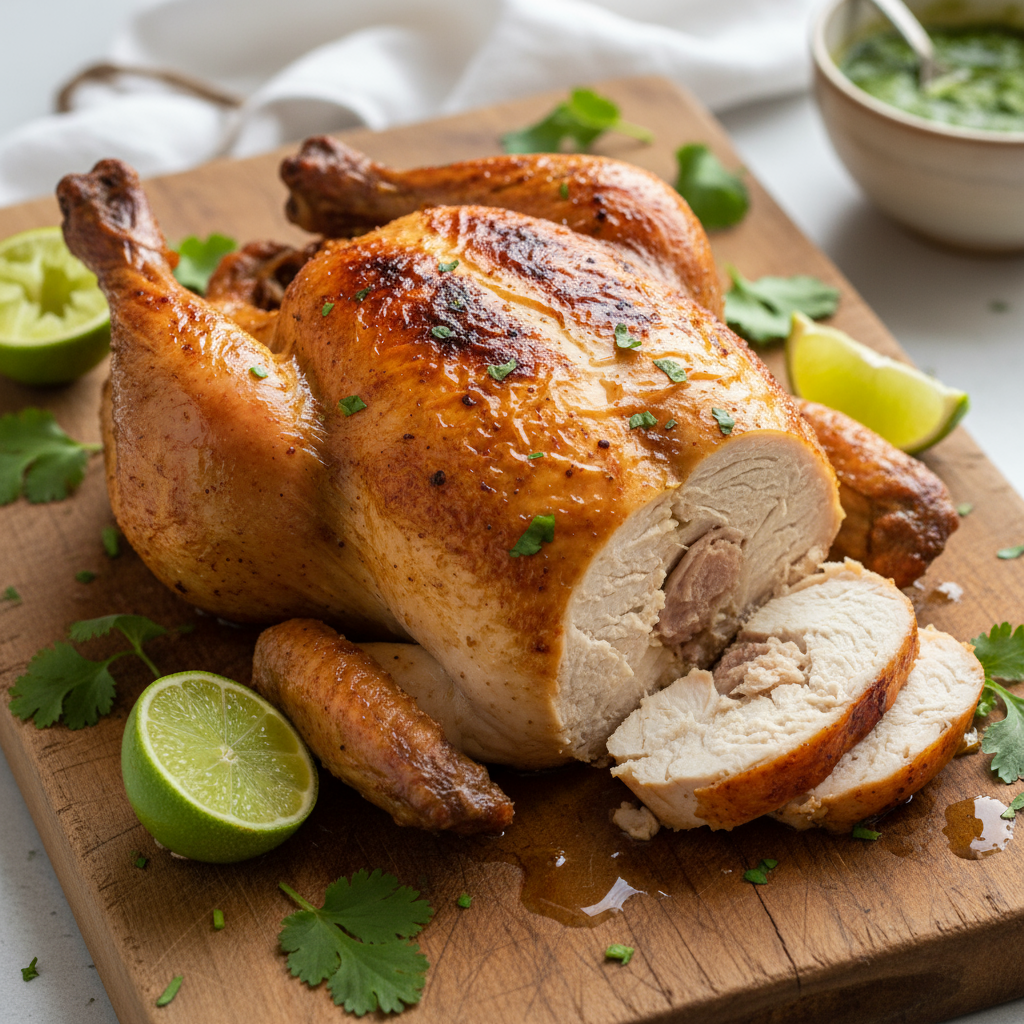
Why Is My Chicken Pink Inside but Cooked Outside. Pink chicken is safe to eat if it reaches an internal temperature of 165°F (74°C), as color can be influenced by myoglobin, bone marrow, chemical reactions, and acidic marinades, not just doneness.
Why Is My Chicken Pink Inside but Cooked Outside. You’ve just roasted a beautiful, golden-brown chicken. The skin is crispy, the aroma is heavenly. You make the first slice, and your heart sinks—it’s pink inside. Is it raw? Is it unsafe? This common dilemma sends many home cooks into a panic. Let's finally answer: why is my chicken pink inside but cooked outside, and what does it actually mean?
Why Is My Chicken Pink Inside but Cooked Outside. Want to create your own custom recipes? Try our AI-powered recipe generator for personalized cooking solutions tailored to your ingredients and preferences.
Is Pink Chicken Actually Safe to Eat?
Why Is My Chicken Pink Inside but Cooked Outside. Chicken safety depends on its internal temperature, not color. This is the most important rule in cooking poultry.
Why Is My Chicken Pink Inside but Cooked Outside. While not bad advice, cooking chicken until juices run clear and no pink remains is incomplete and often leads to overcooked, dry chicken. The only way to be 100% certain your chicken is safe is by using a reliable digital meat thermometer.
Why Is My Chicken Pink Inside but Cooked Outside. Food safety experts state chicken is safe when it reaches an internal temperature of 165°F (74°C) in the thickest part. At this temperature, harmful bacteria like Salmonella are killed. If your thermometer reads 165°F but the meat still looks a little pink, you can eat it with confidence. Now, let's explore why that happens.
Unpacking the Science: 5 Reasons Why Your Chicken Might Be Pink
Why Is My Chicken Pink Inside but Cooked Outside. Several scientific factors can cause fully cooked chicken to retain a pinkish hue. It’s a combination of chemistry and biology. Understanding these reasons will make you a much more knowledgeable and relaxed cook!
1. The Myoglobin Factor
The pink or reddish liquid in chicken packaging isn't blood; it's primarily water mixed with myoglobin, a protein delivering oxygen to muscle cells. Its color depends on its chemical state.
When chicken cooks, myoglobin typically turns brownish-gray. However, factors like meat pH can affect this. Sometimes, myoglobin remains stable at higher temperatures, leaving a persistent pink tint even when the chicken is well past 165°F. It’s a chemical quirk, not a sign of undercooking!
2. The Age of the Bird
The age of the chicken plays a huge role. Most chickens sold are young (around 6-8 weeks old). Younger birds have thinner, more porous bones than older ones.
During cooking, pigment from bone marrow can leach through porous bones into surrounding meat. This creates a pink or reddish stain near the bone, most noticeable in thighs and drumsticks. It might look alarming, but it’s harmless and natural in young poultry.
3. The "Smoke Ring" Effect in Grilling and Roasting
Noticed a pink ring just under the surface of barbecued meat? That’s a smoke ring. A similar effect can happen in your home oven or on your grill.
This pink color comes from a chemical reaction between myoglobin and gases like nitrogen dioxide, present in gas ovens or from burning charcoal. This reaction “fixes” the pink color of the myoglobin, preventing it from turning brown. A pinkish layer under the skin of your roast chicken might just be a sign of a delicious chemical reaction.
4. Acidic Marinades
Marinades for dishes like Peruvian Pollo a la Brasa often contain lime juice or vinegar. These acidic ingredients can also affect myoglobin.
Like gases in an oven, acid can react with myoglobin and set its pink color. This is similar to how fish is "cooked" in ceviche. So, that flavorful marinade might be the reason your perfectly cooked chicken has a rosy glow.
5. Nitrites in Curing Agents or Seasonings
If your chicken has been brined or seasoned with ingredients containing nitrites (e.g., curing salts, certain spice blends), these can react with myoglobin to produce a pink color, similar to ham. This is intentional and safe, indicating a chemical change rather than undercooking.
The Only Tool You Need: The Magic of a Meat Thermometer
If you take away one thing from this article, let it be this: stop guessing and start temping. Color is an unreliable indicator of doneness. Juices running clear is a slightly better indicator, but often means the chicken is already overcooked.
A trusty digital instant-read thermometer is a cook's best friend. It takes the anxiety out of cooking meat and guarantees perfectly cooked, juicy results every time.
- How to Use It: Insert the thermometer into the thickest part of the chicken, avoiding bone. For a whole chicken, the best spot is the thickest part of the thigh. For breasts, insert horizontally through the thickest section.
- The Magic Number: The USDA recommends cooking chicken to a safe internal temperature of 165°F (74°C). Some chefs pull chicken off the heat at 160°F (71°C) and let carryover cooking and resting bring it to the final safe temperature.
Investing in a good thermometer is investing in better, safer, and more delicious meals. You can find more info here: choosing the best meat thermometer.
Recipe: Perfectly Juicy Peruvian-Style Roast Chicken
Ready to put your newfound knowledge to the test? This Peruvian-inspired roast chicken (Pollo a la Brasa style) is famously juicy and flavorful. Its marinade uses soy sauce, spices, and lime—a perfect example of ingredients that can contribute to a beautiful, and sometimes pink, final product. We'll cook it to the perfect temperature for guaranteed success.
Recipe Details
- Prep Time: 20 minutes (plus 4-24 hours marinating)
- Cook Time: 1 hour 15 minutes
- Total Time: 1 hour 35 minutes (plus marinating)
- Servings: 4-6
- Difficulty: Medium
Ingredients
- 1 whole chicken (about 4-5 lbs / 1.8-2.3 kg)
- 1/4 cup (60 ml) soy sauce
- 2 tbsp aji panca paste (or smoked paprika)
- 1 tbsp aji amarillo paste (optional)
- 6 cloves garlic, minced
- 1 tbsp ground cumin
- 1 tbsp dried oregano
- 2 tsp black pepper, freshly ground
- Juice of 2 limes
- 2 tbsp olive oil
- 1 tbsp white vinegar
- 1 tsp salt
- 1/2 tsp sugar
- 1/4 cup fresh cilantro, chopped (for garnish, optional)
Instructions
- Prepare the Marinade: In a large bowl, whisk together soy sauce, aji panca paste, aji amarillo paste (if using), minced garlic, cumin, oregano, black pepper, lime juice, olive oil, white vinegar, salt, and sugar.
- Marinate the Chicken: Pat the ```
Frequently Asked Questions
Why is my chicken pink inside but cooked outside at 165°F?
Chicken can appear pink even when fully cooked to 165°F due to several factors, including the presence of myoglobin, chemical reactions during cooking, or even the age of the chicken. The color isn't always an indicator of doneness.
Can I eat chicken that is pink inside but cooked, or is it still raw?
Yes, if your chicken has reached an internal temperature of 165°F (74°C) as measured by a meat thermometer, it is safe to eat, even if it still appears pink. The pink color doesn't mean it's raw; it's often due to harmless scientific reasons.
What is the safest way to tell if chicken is cooked, besides looking for pink?
The only reliable way to confirm chicken is safely cooked is to use a digital meat thermometer. Insert it into the thickest part of the chicken, ensuring it reads 165°F (74°C).
Does pink color in chicken mean it still has blood?
No, the pink or reddish liquid often seen in cooked chicken, or even in its packaging, is not blood. It's primarily water mixed with myoglobin, a protein that delivers oxygen to muscle cells.
Why is my chicken pink inside but cooked outside sometimes, but other times it's not?
The pink hue can vary due to factors like the chicken's age, whether it was frozen, the cooking method, and even the presence of certain minerals or gases during cooking. These variables can all influence how myoglobin reacts and whether a pink color persists.
```