
Curry Split or Curdled? Bring It Back in Under a Minute
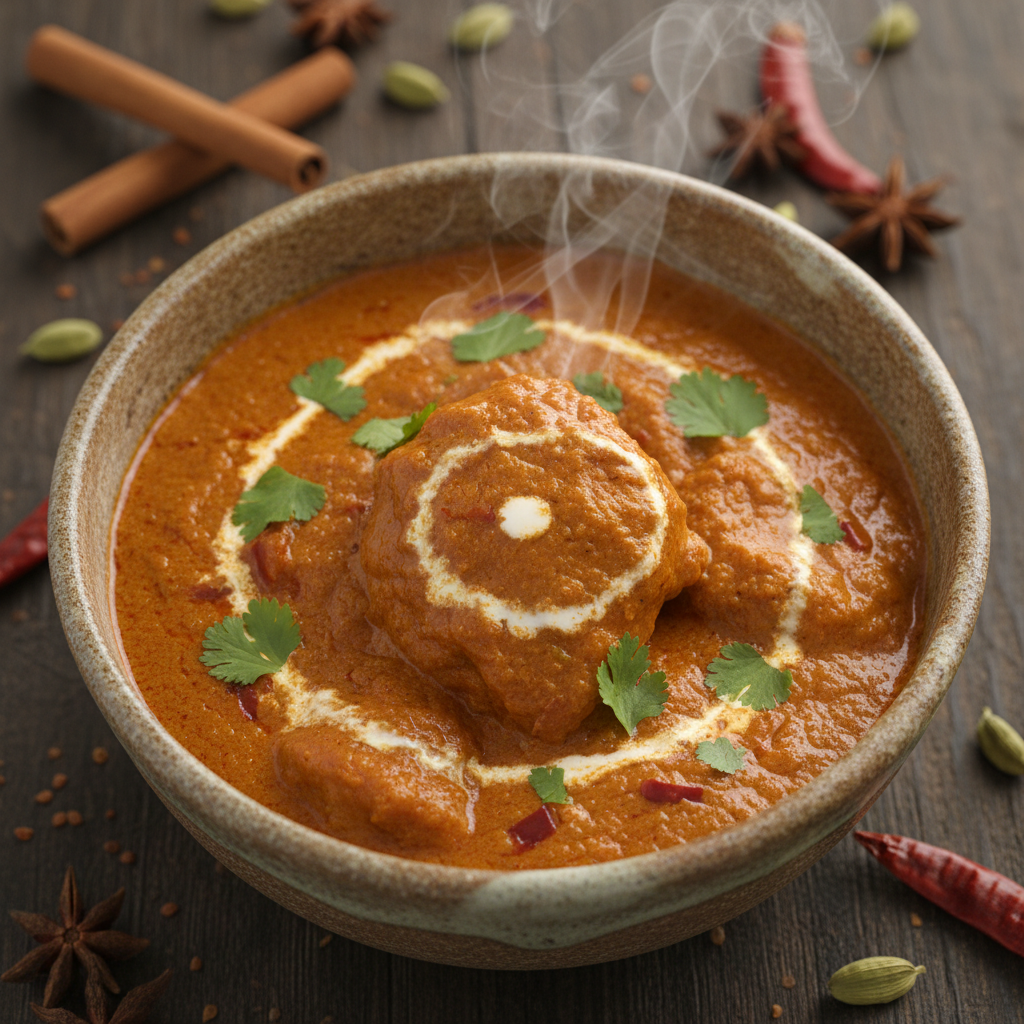
How do you fix curdled coconut milk in curry? Remove from heat immediately, then blend with an immersion blender until smooth. The blending re-emulsifies separated fats and proteins. For prevention: never boil after adding coconut milk, always use full-fat (13%+ fat), and temper yoghurt before adding. These fixes work in under 60 seconds.
- Remove from heat and blend with immersion blender — re-emulsifies broken fats and proteins instantly
- Whisk in a tablespoon of cream or yoghurt off heat — fresh fat stabilises the broken emulsion
- Strain sauce, blend smooth, return solids — for stubborn separation with chunks
- Stir in a teaspoon of cornstarch slurry — starch creates a matrix that traps separated fat droplets
- Add a tablespoon of nut butter and stir vigorously — fat and protein act as emergency emulsifier
Why Does Curry Separate?
Curry separates when the emulsion of fats and water-based liquids breaks down. High heat causes proteins in dairy or coconut milk to curdle, forcing fat molecules to the surface. Adding cold dairy directly to hot curry shocks the mixture, and acidic ingredients like tomatoes or yogurt coagulate proteins. The result is an oily, grainy, or split sauce instead of a smooth, unified curry.
Why Does Coconut Milk Split in Curry?
Coconut milk splits when heated with acidic ingredients because the acid coagulates the proteins, destabilising the fat-water emulsion. This happens with tomatoes, tamarind, lime juice, or yogurt. To prevent splitting: cook acidic ingredients thoroughly first (simmer tomatoes 10-15 minutes until broken down), then add coconut milk only after reducing heat to low. Always use full-fat coconut milk (minimum 13% fat) and shake the can vigorously before opening. Add coconut milk in stages — half first, stir gently, cook briefly, then add the rest. Never let the curry boil after adding coconut milk.
How to Stop Yoghurt Splitting in Curry
If you've added yogurt and see it starting to split, immediately remove from heat. Temper the dairy by whisking a few spoonfuls of hot curry into cold yogurt first, then add this mixture back to the pot slowly while stirring. Keep heat extremely low. Greek yogurt or sour cream split less than regular yogurt due to higher fat content. Always temper dairy before adding, reduce heat to minimum, and stir constantly as you incorporate.
5 Ways to Prevent Oil Separation in Curry
1. Master Heat Control: Never Boil After Adding Dairy
High heat is the leading cause of curry separation. Maintain a gentle simmer — small bubbles occasionally breaking the surface. Never allow your curry to reach a rolling boil after adding coconut milk or cream. If it bubbles aggressively, immediately reduce heat. Start with medium heat for aromatics, then reduce to gentle simmer before adding dairy.
2. Build a Stable Base With Onions and Starch
Cook onions until completely broken down and jammy (15-20 minutes). They release starches that act as powerful natural stabilisers. Tomatoes contribute pectin, another natural binder. For extra security, add a tablespoon of flour or cornstarch after sautéing aromatics but before adding liquids. Blend your cooked onion and tomato base until smooth to maximise emulsifying power.
3. Use Full-Fat Coconut Milk Properly
Always use full-fat coconut milk (13.5-14% fat minimum). Low-fat versions contain more water and fewer natural emulsifiers. Shake the can vigorously before opening. Add in stages: incorporate half, stir gently, cook for a few minutes, then add the rest. This gradual incorporation lessens thermal shock.
4. Manage Acidity Timing
Cook tomatoes thoroughly until broken down (10-15 minutes) before adding dairy or coconut milk. Temper yogurt before adding. Reserve lemon juice or tamarind for the very end of cooking, off the heat, to prevent destabilisation.
5. Blend Your Base for Ultimate Stability
After cooking aromatics and spice paste, blend until totally smooth before adding liquids or coconut milk. This creates microscopic particles that form a robust matrix, trapping fat droplets. This technique guarantees restaurant-quality, unified sauce resistant to splitting.
Want to create your own custom recipes? Try our AI-powered recipe generator for personalized cooking solutions.
Frequently Asked Questions
How to fix curdled coconut milk in curry?
Remove from heat, blend with an immersion blender until smooth, then return to very low heat. The blending re-emulsifies separated fats. For extra stability, whisk in a teaspoon of cornstarch slurry.
Why does coconut milk separate in curry?
Coconut milk separates when boiled or mixed with acidic ingredients (tomatoes, lime). The heat or acid coagulates proteins, breaking the fat-water emulsion. Always add coconut milk on low heat and never boil.
How to fix split coconut milk in curry?
Blend the curry with an immersion blender off heat until smooth. If still oily, whisk in a tablespoon of cream or yoghurt. Return to the lowest heat setting and stir gently — never boil again.
Is separated curry safe to eat?
Yes, separated curry is completely safe — it's a texture issue, not a food safety concern. The oils have simply separated from the liquid, affecting mouthfeel but not edibility.
Why does yoghurt split in curry?
Yoghurt splits when added directly to hot curry because the heat denatures its proteins. Always temper yoghurt first: whisk hot curry liquid into cold yoghurt gradually, then add the mixture back to the pot off heat.
What causes oil separation in curry?
Oil separation happens when the emulsion breaks — usually from boiling after adding dairy, adding cold ingredients to hot curry, or insufficient emulsifiers (not enough cooked-down onions or starch in the base).
Can I fix curdled curry with more coconut milk?
Adding more coconut milk won't fix curdled curry — it may make it worse. Instead, blend the existing sauce to re-emulsify, then add fresh coconut milk slowly on very low heat if needed.
What's the best fat to prevent curry splitting?
Ghee (clarified butter) is excellent — high smoke point, no milk solids. Coconut oil also works well. Avoid regular butter for high-heat cooking as milk solids can burn and contribute to separation.
Final Thoughts
Curry separation is fixable in seconds with an immersion blender. Prevent it by never boiling after adding coconut milk or yoghurt, using full-fat products, tempering dairy, and building a starch-rich onion base. These techniques ensure silky, unified curry sauce every time.