
Fix Sticky Rice: 5 Simple Secrets to Perfectly Fluffy Grains
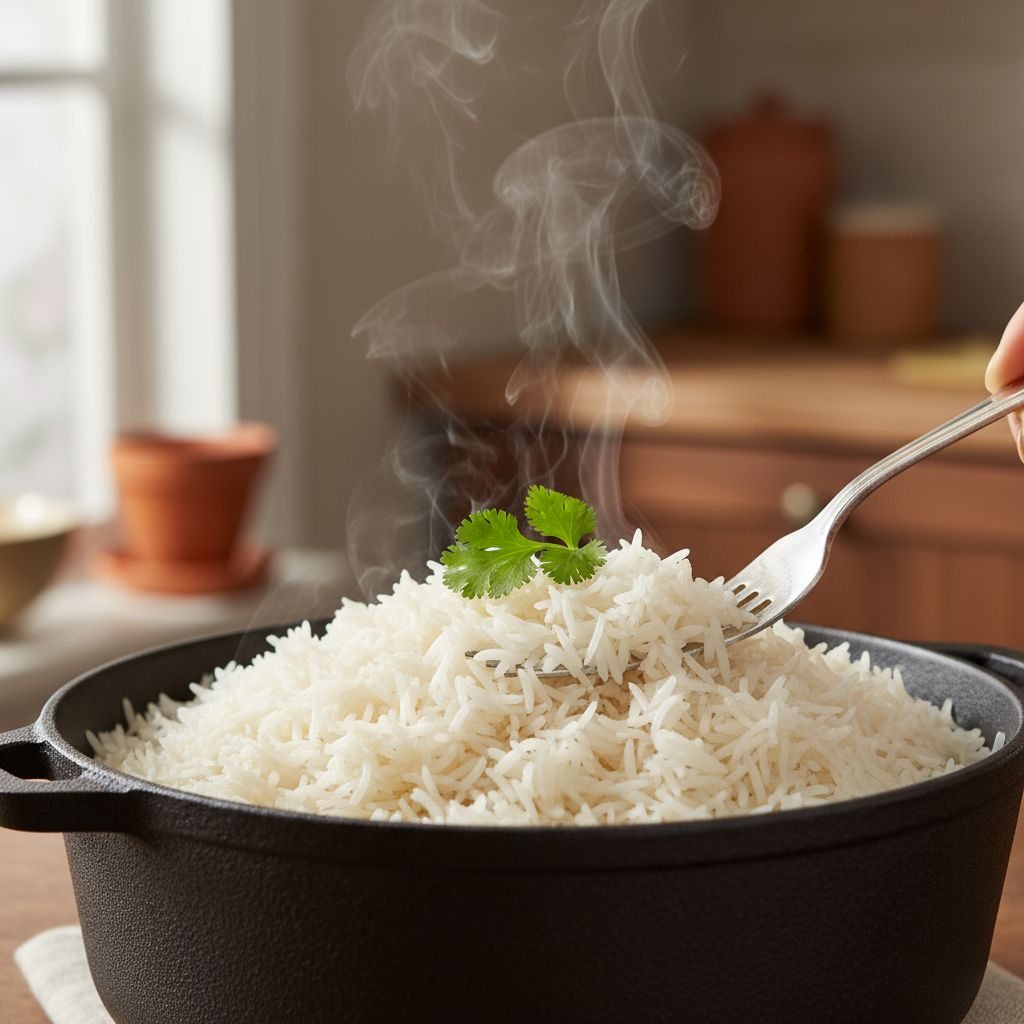
Fluffy Rice (Not Sticky and Clumpy)
Your rice is sticky instead of fluffy primarily due to excess surface starch, incorrect water ratios, and improper cooking techniques that release too much amylopectin.
Quick Fix Summary
- Most common cause: Not rinsing rice—surface starch turns the cooking water gluey
- Fastest fix: Spread sticky rice on a baking sheet, let cool, then break apart gently with a fork
- Best method: Rinse until water runs clear, use correct ratio (1:1.5), don't stir while cooking
- Avoid: Peeking, stirring during cooking, and too much water (all release extra starch)
- Quick rescue: Rinse cooked sticky rice under cold water, drain, then reheat gently with a splash of water
Why Is My Rice Sticky?
Rice becomes sticky when excess starch coats the grains and turns gummy during cooking. The culprit is usually not rinsing the rice before cooking—this leaves surface starch on the grains that dissolves into the water and glues everything together. Other causes include using too much water (grains break down and release more starch), stirring during cooking (breaks grains and releases starch), cooking on too high heat (causes uneven cooking), and skipping the resting period (wet rice clumps more easily). The type of rice also matters—short-grain rice is naturally stickier than long-grain varieties.
Should I Rinse Rice?
Yes—rinsing rice is the single most important step for fluffy, separate grains. Place rice in a fine-mesh sieve and rinse under cold running water while swishing the grains with your hand. Continue until the water running through turns from cloudy white to nearly clear (about 1-2 minutes). This washes away loose surface starch that would otherwise make the water gluey. The only time to skip rinsing is when you want sticky or creamy rice—like for sushi, rice pudding, or risotto where the starch is essential for the right texture.
Is Sticky Rice Always Overcooked?
No, sticky rice isn't necessarily overcooked. While overcooking can cause grains to break down and become mushy-sticky, the more common cause is excess starch from not rinsing. Properly cooked rice can still be sticky if you skip rinsing, use too much water, or stir during cooking. The texture clues are different: overcooked rice is mushy with grains falling apart, while starchy-sticky rice has intact grains that are glued together by a gummy coating. Both are fixable with different approaches.
How Do I Make Rice Fluffy?
For perfectly fluffy rice every time, follow these essential steps: 1) Rinse thoroughly until water runs clear. 2) Use the right ratio—1 cup long-grain rice to 1.5 cups water (adjust for rice type). 3) Bring to a boil, then immediately reduce to lowest heat and cover tightly. 4) Don't peek or stir during the 15-18 minute cooking time. 5) Rest for 10 minutes with lid on after cooking, off the heat. 6) Fluff gently with a fork, not a spoon, using a lifting and separating motion. Using a heavy-bottomed pan helps distribute heat evenly and prevents sticking.
How Do I Fix Rice That's Already Sticky?
If your rice has already clumped, you can still rescue it. For mildly sticky rice: spread it on a large baking sheet in a thin layer, let it cool for 5 minutes, then gently separate the grains with a fork. The cooling firms up the starch. For very sticky rice: rinse the cooked rice under cold running water to wash away the excess starch—this works surprisingly well. Drain thoroughly, then reheat gently in a covered pan with a tablespoon of water or butter. Alternatively, repurpose sticky rice into fried rice (the starch helps it hold together in the pan) or rice pudding.
Want to create your own custom recipes? Try our AI-powered recipe generator for personalized cooking solutions tailored to your ingredients and preferences.
The Science of Sticky Rice: Starch Explained
Rice texture depends on two starches: amylose and amylopectin. Amylose, a straight molecule, leads to fluffy grains. Amylopectin, a branched molecule, becomes gelatinous and sticky when cooked. Rice high in amylose (Basmati, Jasmine) cooks fluffier, while rice high in amylopectin (Arborio, sushi rice) is naturally stickier. The main reason for sticky rice is too much surface starch (amylopectin) in the pot.
5 Common Culprits for Sticky Rice (and Their Fixes)
Most sticky rice issues stem from method, not the rice itself.
1. Not Rinsing Your Rice
Excess surface starch on uncooked grains turns water into a gluey paste.
The Fix: Rinse rice in a fine-mesh sieve under cold water, swishing until the water runs almost clear. This simple step washes away sticky surface starch. Skip rinsing only for dishes like risotto or rice pudding where starch is desired.
2. Incorrect Rice-to-Water Ratio
Too much water causes grains to absorb excess liquid, break down, and release more starch.
The Fix: Measure precisely. For most long-grain white rice, start with 1 cup of rice to 1.5 cups of water. Brown rice needs more, typically 1 cup rice to 2 cups water. Adjust as needed for your specific rice type.
3. Peeking and Stirring During Cooking
Lifting the lid releases crucial steam, disrupting the cooking process and leading to unevenly cooked, gummy rice. Stirring also breaks grains and releases more starch.
The Fix: Once simmering and covered, leave the pot undisturbed. Trust the process.
4. Heat Is Too High
High heat evaporates water too quickly, preventing proper absorption. This results in scorched bottom layers and undercooked top layers.
The Fix: Use gentle heat. Bring to a rolling boil, then immediately reduce to the lowest possible simmer. A heavy-bottomed saucepan helps distribute heat evenly.
5. Skipping the All-Important Rest
Fluffing rice immediately off the heat makes grains wet, fragile, and prone to clumping.
The Fix: Rest the rice. After cooking, remove from heat, keep the lid on, and let stand for 10-15 minutes. Residual steam finishes cooking and redistributes moisture, firming up grains. Then, fluff gently with a fork.
Choosing Your Rice Wisely
- Long-Grain Rice (Basmati, Jasmine): High in amylose, these cook up light and separate, ideal for curries and stir-fries.
- Medium-Grain Rice (Arborio, Carnaroli): More amylopectin makes them creamy, perfect for risotto.
- Short-Grain Rice (Sushi Rice): Very high in amylopectin, designed for stickiness, not fluffiness.
Frequently Asked Questions
Can I make sticky rice fluffy after cooking?
Yes—spread it on a baking sheet to cool, then break apart with a fork. For very sticky rice, rinse under cold water to remove excess starch, drain well, then reheat with a splash of water in a covered pan.
Does adding oil prevent sticky rice?
Adding a tablespoon of oil or butter can help slightly by coating grains, but it's not a substitute for proper technique. Rinsing, correct water ratio, and the resting step matter far more than adding fat.
Why is my basmati rice still sticky?
Even long-grain varieties like basmati can become sticky if you skip rinsing, use too much water, or stir during cooking. Basmati specifically benefits from a 30-minute soak before cooking, which helps grains cook evenly and stay separate.
Should I use a rice cooker for fluffy rice?
Rice cookers automate the heat control and timing, making fluffy rice easier to achieve consistently. You still need to rinse the rice first, but the cooker handles the rest. Most have a built-in rest period after cooking.
Final Thoughts
Achieving perfectly fluffy rice is simpler than you think. By understanding starch's role and avoiding common mistakes like not rinsing, incorrect water ratios, peeking, high heat, and skipping the rest, you can consistently cook beautifully separate grains. Implement these techniques to elevate any meal with ideal rice.
```