
Why Won’t My Curry Sauce Thicken? 7 Quick & Easy Fixes
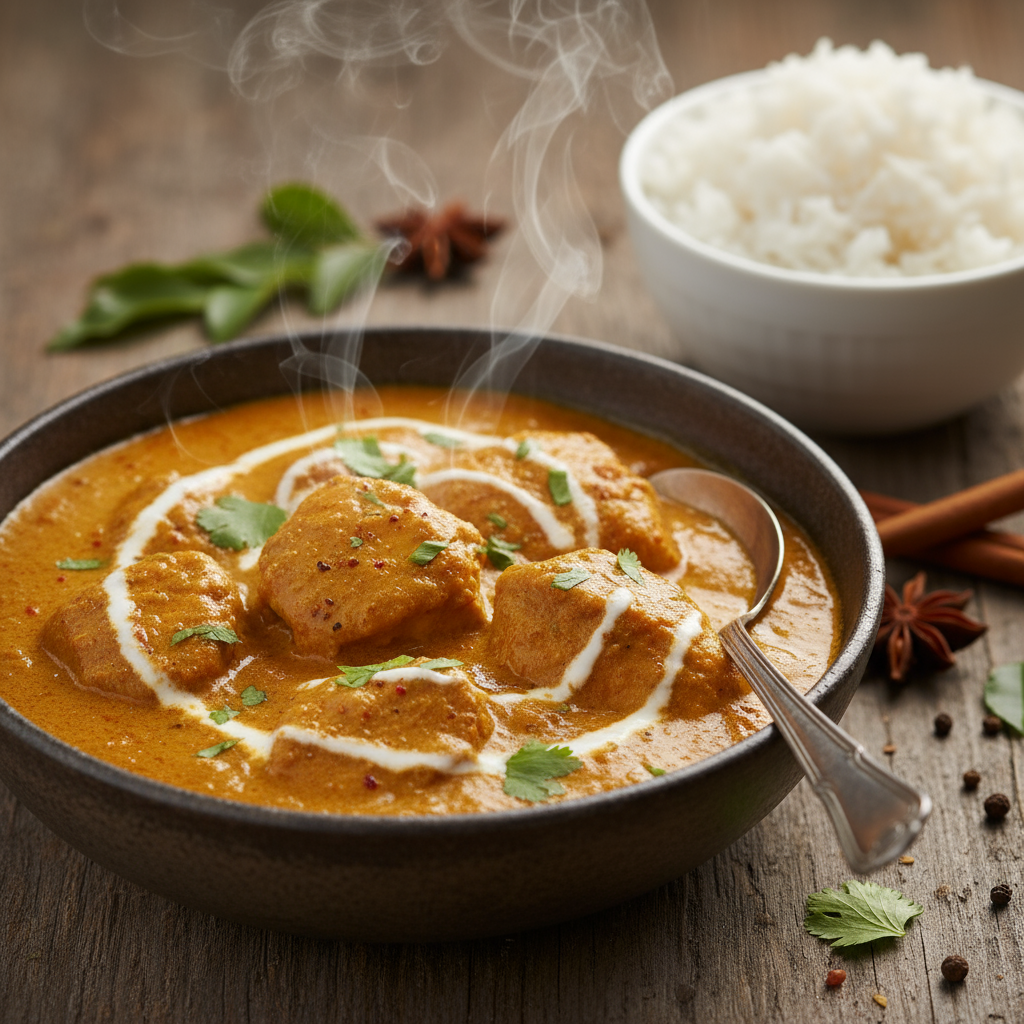
Why Won’t My Curry Sauce Thicken: 7 Foolproof Fixes
Why Won’t My Curry Sauce Thicken. Your curry sauce isn't thickening likely due to too much liquid, insufficient simmering, using light coconut milk, or high-water-content vegetables, all of which are easily fixable.
Why Won’t My Curry Sauce Thicken. You’ve spent time sourcing spices, chopping aromatics, and building a curry. The house smells incredible. But instead of a rich, luscious sauce, you get a watery soup. If you’ve ever wondered, why won’t my curry sauce thicken?, you are not alone. It’s a common kitchen conundrum!
Why Won’t My Curry Sauce Thicken. A thin curry sauce is a fixable problem. Today, we’ll walk through why it happens and how to transform that watery dish into the rich, creamy curry of your dreams.
Why Won’t My Curry Sauce Thicken. Want to create your own custom recipes? Try our AI-powered recipe generator for personalized cooking solutions tailored to your ingredients and preferences.
The Common Culprits Behind a Watery Curry
Why Won’t My Curry Sauce Thicken. Understanding the root cause prevents thin sauce. It usually comes down to ratios and chemistry.
1. Too Much Liquid, Too Soon
Why Won’t My Curry Sauce Thicken. This is the most frequent offender. It’s easy to add too much coconut milk, stock, or water initially. Vegetables and proteins release their own juices, adding more liquid.
The Fix: Start with less liquid. You can always add more, but removing it is harder!
2. Not Enough Simmer Time (The Magic of Reduction)
Patience is key. Simmering uncovered allows excess water to evaporate, concentrating and thickening the sauce. This process, called reduction, develops deep flavor and texture.
Rushing or keeping the lid on traps steam, keeping your sauce thin. For a deep dive into the science, check out this great explanation of how to thicken sauces from Serious Eats.
3. Using Light or Low-Fat Coconut Milk
Light coconut milk is watered-down full-fat coconut milk. The fat content in full-fat coconut milk is crucial for a creamy, emulsified sauce. Low-fat versions lead to watery curry.
Always use full-fat for best results!
4. High-Water-Content Veggies
Vegetables like zucchini, mushrooms, bell peppers, and spinach release significant water. Adding them too early can dilute your sauce.
The Fix: Sauté high-water vegetables separately and add them near the end of cooking. This controls liquid levels effectively.
7 Easy Ways to Thicken a Curry Sauce
Your curry is thin and needs fixing—fast. Here are seven foolproof methods, from simmering to a classic slurry, that will save your dinner.
1. The Simmer-Down (Reduction)
This is the purest and most flavorful way to thicken. Remove the lid, turn heat to medium-low, and simmer gently. Stir occasionally. You’ll see the sauce reduce and thicken as water evaporates. This takes 10-20 minutes, but the flavor boost is worth it.
2. The Cornstarch Slurry
A cornstarch slurry is a fast, effective, and flavorless thickener, a staple in many Asian cuisines. The key is to make it correctly to avoid lumps.
- How to make it: In a small bowl, mix 1 tablespoon of cornstarch with 2 tablespoons of cold water. Whisk until smooth.
- How to use it: While the curry simmers, slowly pour the slurry in while stirring constantly. The sauce will thicken almost immediately. Simmer for another minute or two to cook out any starchy taste.
3. A Flour Roux
More common in Japanese or British-style curries, a roux is a paste from flour and fat. It adds richness, toasty flavor, and thickening power. Japanese curry bricks are pre-made seasoned roux.
- How to make it: In a separate small saucepan, melt 1 tablespoon of butter or oil over medium heat. Whisk in 1 tablespoon of all-purpose flour and cook for about a minute, stirring constantly, until nutty.
- How to use it: Ladle a cup of hot curry liquid into your roux, whisking vigorously. Once smooth, pour this mixture back into the main pot and stir until the curry thickens.
4. Add More Natural Thickeners
- Yogurt or Cream: For Indian curries, a spoonful of thick, full-fat yogurt or a splash of heavy cream adds richness and thickness. Temper it first (mix a little hot sauce into the yogurt/cream before adding) to prevent curdling.
- Nut Butter or Paste: A tablespoon of peanut butter, almond butter, or ground cashews works wonders in Southeast Asian curries. It adds nutty flavor and creamy texture.
- Pureed Vegetables: Scoop out cooked vegetables (potatoes, carrots, onions), blend with some sauce until smooth, and stir the puree back in. Pumpkin puree is also a fantastic secret weapon.
5. Use Lentils or Beans
This is a brilliant trick for Indian dals and heartier curries. A handful of red lentils (masoor dal) dissolves, releasing starch and thickening the sauce beautifully. You can also mash cooked chickpeas or other beans against the pot side to release starches.
6. Stir in Tomato Paste
A spoonful or two of tomato paste provides thickening power and deep, umami-rich flavor. A double win! Simmer for a few minutes to cook out its raw taste.
7. Blend a Portion of the Curry
If your curry has ingredients like onions, potatoes, or cashews, use an immersion blender to partially blend the sauce. A few quick pulses directly in the pot break down solids, creating a creamier, thicker consistency without extra ingredients. Be careful not to over-blend! For more inspiration, see our `Guide to Essential Kitchen Tools`.
Practice Recipe: Perfectly Thick & Creamy Chicken Curry
Ready to put your new knowledge to the test? This recipe produces a naturally thick and luscious sauce using full-fat coconut milk and reduction. An optional cornstarch slurry step is included.
Recipe Details
- Difficulty: Easy
- Prep Time: 15 minutes
- Cook Time: 30 minutes
- Total Time: 45 minutes
- Servings: 4
Ingredients
- 2 tbsp Coconut Oil or Vegetable Oil
- 1 large Onion, finely chopped
- 3 cloves Garlic, minced
- 1 tbsp Ginger, freshly grated
- 1.5 lbs (680g) boneless, skinless Chicken Thighs, cut into 1-inch pieces
- 2 tbsp Red Curry Paste (or more, to taste)
- 1 (13.5 oz / 400ml) can Full-Fat Coconut Milk
- 1/2 cup (120ml) Chicken Broth or Water
- 1 tbsp Fish Sauce (optional) ```
Frequently Asked Questions
Why won't my curry sauce thicken even after simmering?
If your curry sauce isn't thickening after simmering, you might have too much initial liquid or used light coconut milk. Ensure you're simmering uncovered to allow for evaporation and reduction, which concentrates the sauce.
What can I do if my curry sauce is too watery and won't thicken?
There are several fixes if your curry sauce is too watery. Try simmering it uncovered to reduce moisture, or consider adding a thickening agent like a cornstarch slurry. Next time, start with less liquid and use full-fat coconut milk to prevent this issue.
Does using light coconut milk affect why my curry sauce won't thicken?
Yes, using light or low-fat coconut milk is a common reason why your curry sauce won't thicken. Full-fat coconut milk contains crucial fats that contribute to a creamy, rich, and naturally thickened sauce. Light versions are watered down and will result in a thinner consistency.
Why won't my curry sauce thicken when I add lots of vegetables?
Certain high-water-content vegetables like zucchini, mushrooms, or spinach release a lot of liquid during cooking, which can dilute your curry sauce and prevent it from thickening. To avoid this, try sautéing these vegetables separately first and adding them towards the end of the cooking process.
How can I prevent my curry sauce from being too thin in the future?
To prevent a thin curry sauce, start with less liquid than you think you need, as you can always add more later. Always use full-fat coconut milk and ensure sufficient uncovered simmering time for reduction. Also, consider pre-sautéing high-water-content vegetables before adding them to your curry.