
Vegetables Won't Brown? 5 Pro Tricks for Perfect Caramelisation
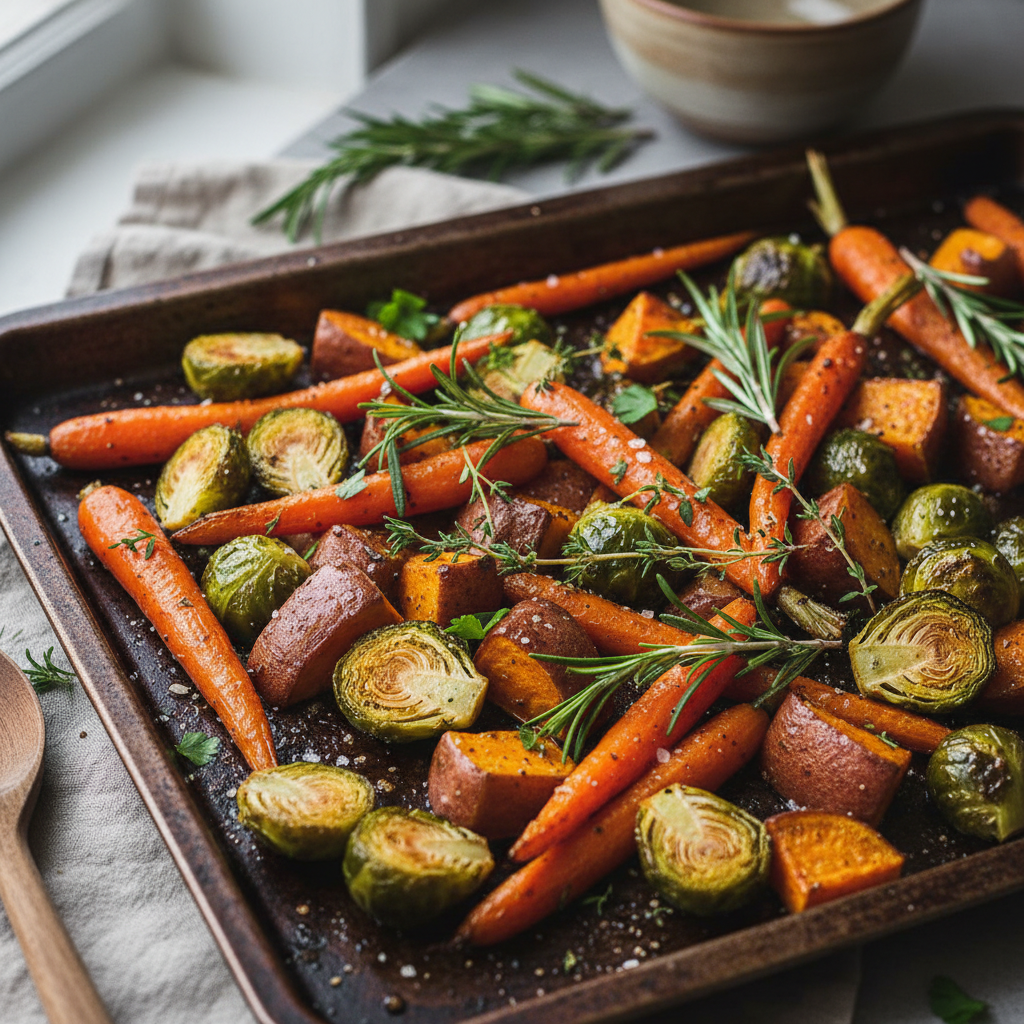
vegetables won't brown. Your vegetables aren't browning because they're likely too wet, overcrowded, cooked at too low a temperature, or not cut uniformly.
vegetables won't brown. Pale, soggy vegetables when you wanted crispy, golden perfection? You're not alone. Perfect browning isn't complicated—it's about avoiding these 5 common mistakes. Here's how to get restaurant-quality caramelized vegetables every time.
vegetables won't brown. Want to create your own custom recipes? Try our AI-powered recipe generator for personalized cooking solutions tailored to your ingredients and preferences.
The Science: Why Vegetables Turn Golden
vegetables won't brown. That beautiful browning comes from two chemical reactions: the Maillard reaction (savory browning between amino acids and sugars) and caramelization (sugar breakdown). Both need high heat and dry surfaces.
vegetables won't brown. Understanding the science behind browning helps you understand why these 5 fixes work so well.
5 Quick Fixes for Perfect Browning
Fix #1: Eliminate All Moisture
The Problem: Water is browning's worst enemy. Wet vegetables steam instead of roast. The oven's energy evaporates water rather than heating the surface, preventing the 140°C (285°F) needed for the Maillard reaction.
The Fix:
- Pat vegetables completely dry with clean tea towels after washing.
- For extra-watery vegetables (zucchini, eggplant, mushrooms), salt them 30 minutes before cooking, then pat dry again.
- Don't salt other vegetables until just before they go in the oven.
Pro Tip: For mushrooms, wipe with a damp cloth instead of rinsing under water.
Fix #2: Give Vegetables Space
The Problem: Overcrowded pans create a vegetable sauna. Moisture released gets trapped, creating steam that prevents browning and results in pale, limp vegetables.
The Fix:
- Use a large, shallow roasting tray or baking sheet.
- Vegetables should be in a single layer with space between each piece.
- If necessary, use two trays instead of cramming everything on one.
Pro Tip: If using multiple trays, rotate them halfway through cooking for even browning.
Fix #3: Crank Up the Heat
The Problem: Low temperatures cook vegetables slowly, releasing moisture that prevents browning. The Maillard reaction won't happen below 140°C (285°F).
The Fix:
- Set your oven to 220°C (425°F) minimum.
- For extra caramelization, go as high as 230-240°C (450-475°F).
- Preheat thoroughly—at least 20 minutes.
Pro Tip: If vegetables brown too quickly on the outside while staying raw inside, cut them smaller next time rather than lowering the temperature.
Fix #4: Use Enough Fat (But Not Too Much)
The Problem: Not enough oil means dry spots that won't brown. Too much oil pools and prevents direct heat contact, leading to frying instead of roasting.
The Fix:
- Use just enough oil to lightly coat each piece—about 1-2 tablespoons per 500g of vegetables.
- Toss vegetables in a large bowl before transferring to the tray.
- Use oils with high smoke points: avocado, grapeseed, or refined olive oil.
Pro Tip: For the crispiest results, toss vegetables with oil, then transfer to a preheated baking sheet.
Fix #5: Cut Vegetables Uniformly
The Problem: Different-sized pieces cook at different rates. Small pieces burn while large pieces stay raw and pale. Even browning requires consistent sizes.
The Fix:
- Cut all pieces to roughly the same size—aim for 2-3cm (1 inch) chunks.
- Dense vegetables (carrots, potatoes) should be cut smaller than softer ones (zucchini, capsicum).
- Keep similar vegetables together on the same tray.
Pro Tip: Add quick-cooking vegetables (like asparagus or cherry tomatoes) to the tray 10-15 minutes before everything else is done.
Vegetable-Specific Browning Guide
| Vegetable | Cut Size | Temp | Time | Special Tip |
| Potatoes | 2cm chunks | 220°C | 35-45 min | Parboil 5 min first |
| Carrots | Thick batons | 220°C | 25-30 min | Toss with honey last 5 min |
| Broccoli/Cauliflower | Small florets | 220° vegetables won't brown is important to understand. vegetables won't brown is important to understand. vegetables won't brown is important to understand. ```Frequently Asked QuestionsWhy won't my roasted vegetables brown even at high heat?If your vegetables won't brown despite high heat, they might be too wet or overcrowded. Water creates steam, which prevents the surface from reaching the temperature needed for the Maillard reaction and caramelization. Ensure your vegetables are completely dry and in a single layer with space between them. What is the main reason why my vegetables won't brown or get crispy?The primary reason why your vegetables won't brown is usually excess moisture. Wet vegetables steam instead of roast, using the oven's energy to evaporate water rather than fostering the chemical reactions responsible for golden, crispy textures. Always pat them dry thoroughly before roasting. How can I make sure my leafy vegetables or mushrooms brown properly?For more watery vegetables like mushrooms, make sure to wipe them clean with a damp cloth instead of rinsing. For other vegetables, thoroughly pat them dry with towels. Salting extra-watery vegetables like zucchini beforehand can also help draw out moisture, leading to better browning. Why won't my vegetables brown if I overcrowd the pan?Overcrowding your roasting pan traps moisture released by the vegetables, effectively steaming them rather than roasting. This prevents the surface from drying out and reaching the high temperatures required for browning. Always use a large enough pan to allow for a single layer with space. What temperature is best if my vegetables won't brown at a lower setting?If your vegetables won't brown, your oven temperature might be too low. Set your oven to a minimum of 220°C (425°F) to promote the Maillard reaction. For even deeper caramelization and faster browning, you can increase the temperature to 230-240°C. |