
Chicken Tastes Sour or Metallic? How to Tell If It's Off
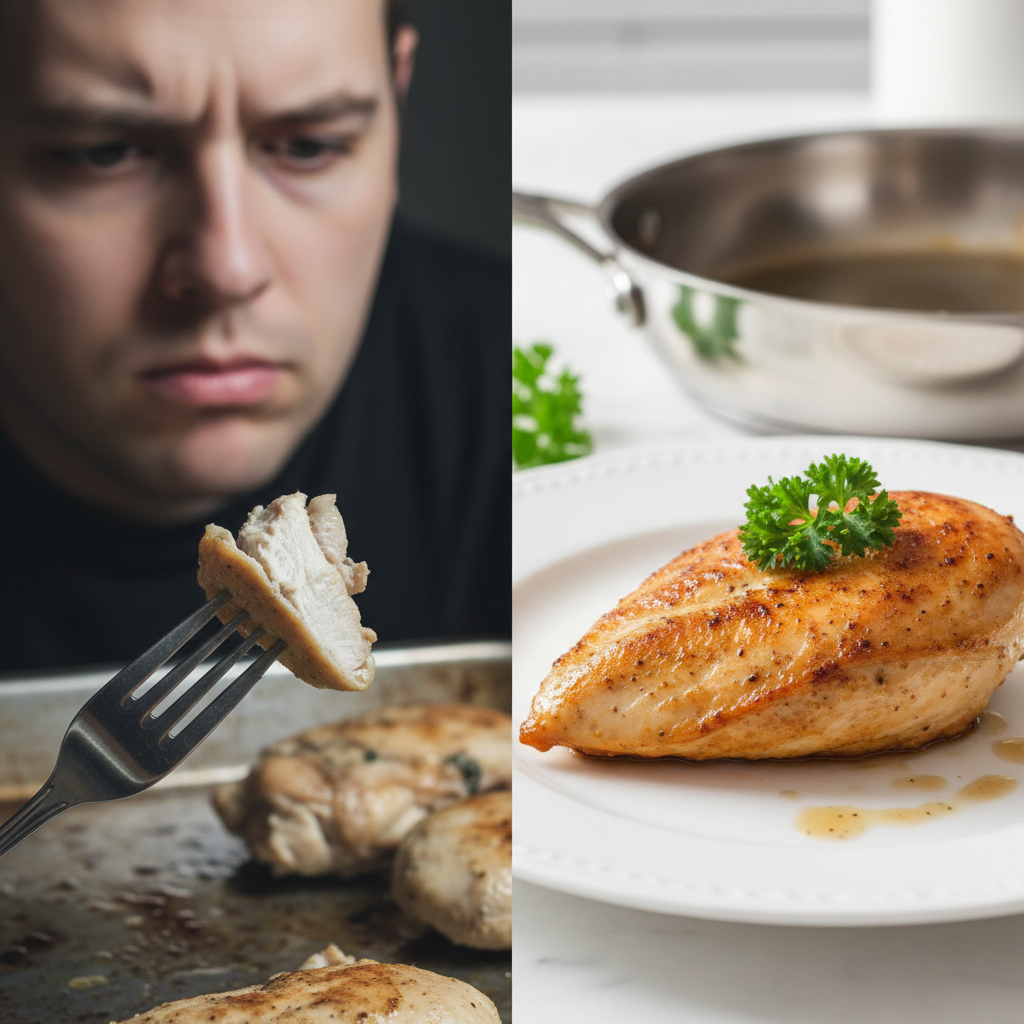
why chicken tastes metallic. There’s nothing more disappointing than sitting down to a meal you’ve worked hard on, only to take that first bite of chicken and be hit with a strange, unpleasant metallic or sour taste. You followed the recipe, it looks perfect, but the flavor is just… off. What went wrong? It's a common kitchen frustration, but don't worry, it's usually fixable. The reason why chicken tastes metallic or sour often comes down to a few key culprits: a chemical reaction called lipid oxidation (aka “warmed-over flavor”), a reaction with your cookware, or an issue with your marinade. Let's break down why it happens and how to ensure your chicken tastes delicious every single time.
why chicken tastes metallic. Want to create your own custom recipes? Try our AI-powered recipe generator for personalized cooking solutions tailored to your ingredients and preferences.
The Science Behind That Metallic Taste
why chicken tastes metallic. Chicken tastes metallic or sour primarily due to lipid oxidation (warmed-over flavor), chemical reactions with reactive cookware, or overly aggressive marinades.
why chicken tastes metallic. That weird flavor you're noticing isn't just in your head; there's real science behind it. The most common cause, especially with leftover chicken, is a process called lipid peroxidation. Chicken contains polyunsaturated fatty acids. When exposed to oxygen, these fats break down, creating aldehydes that have a distinct stale, metallic, or cardboard-like flavor. This process, often called "warmed-over flavor" (WOF), is dramatically accelerated by cooking and then reheating.
why chicken tastes metallic. Another scientific reason is a classic chemical reaction. If you're using an acidic marinade (with ingredients like lemon juice, vinegar, or wine) and cooking in a reactive pan made of aluminum, copper, or unseasoned cast iron, the acid can react with the metal. This reaction can leach metallic ions into your food, directly causing that tinny, metallic taste. This is why choosing the right cookware is just as important as choosing the right ingredients.
5 Quick Fixes for When Your Chicken Tastes Metallic or Sour
why chicken tastes metallic. Don't throw that chicken out just yet! Depending on the cause, you might be able to salvage your meal. Here are the most common problems and their solutions.
1. The Problem: Your Cookware is Reacting
The Problem: An acidic marinade (e.g., lemon-herb) reacted with reactive cookware (e.g., aluminum skillet), transferring a metallic flavor to the chicken.
The Fix: For acidic recipes, always use non-reactive cookware like stainless steel, enameled cast iron, glass, or ceramic. These materials prevent reactions, preserving food flavor. If the chicken is already cooked, mask the flavor by shredding it and incorporating it into a dish with a strong, non-acidic sauce (e.g., creamy mushroom or peanut sauce).
Pro Tip: Never store acidic foods in reactive pans. Transfer leftovers to glass or plastic containers immediately. For more on this, Serious Eats has a great guide on reactive vs. non-reactive cookware.
2. The Problem: The Dreaded "Warmed-Over Flavor" (WOF)
The Problem: Reheated leftover chicken tastes stale and metallic due to lipid oxidation (WOF).
The Fix: Introduce fresh flavors. Reheat gently with broth. Add a powerful flavor punch *after* heating, such as fresh lemon/lime juice, cilantro/parsley, or a vibrant vinaigrette, to mask off-flavors.
Pro Tip: When initially cooking, include antioxidant-rich ingredients like rosemary, oregano, or sage to slow oxidation.
3. The Problem: Your Marinade is Too Aggressive
The Problem: Over-marinating chicken in pure vinegar and citrus for too long breaks down proteins, resulting in a sour taste and potentially rubbery texture.
The Fix: This is irreversible. Rinse the chicken, pat dry, and try to balance the flavor with a sweet and savory glaze (e.g., honey-soy or BBQ). For future reference, balance acidic marinades with fat (olive oil) and/or sugar (honey/brown sugar), limiting marination time to a few hours for strong acids.
Pro Tip: A simple brine is often more effective for tenderizing and less risky than highly acidic marinades, helping avoid dry chicken without sourness.
4. The Problem: It Might Be Spoilage
The Problem: The chicken has a distinct sour, ammonia-like smell, feels slimy, has a grayish tint, and tastes genuinely sour and foul.
The Fix: Throw it away immediately. This is a food safety issue, not a flavor issue. Spoilage bacteria are present, and eating it could cause illness. Cooking or seasoning cannot fix spoiled meat.
Pro Tip: Trust your senses. Your nose is the best tool for detecting spoilage. If it smells off, don't risk it. The USDA emphasizes never tasting food to determine safety.
5. The Problem: Your Cooking Fat is Rancid
The Problem: Using old, rancid cooking oil imparts a bitter, metallic flavor to fresh chicken.
The Fix: Rancid oils, another form of oxidation, transfer terrible flavors that cannot be removed. Start over with fresh oil. Always smell cooking fats; fresh oil is neutral or pleasant, while rancid oil smells waxy or like old paint.
Pro Tip: Store oils in a cool, dark place (away from the stove) to prolong shelf life. Buy smaller bottles for infrequently used oils.
How to Prevent a Metallic Taste in Chicken
why chicken tastes metallic. An ounce of prevention is worth a pound of cure! Follow these tips to stop off-flavors before they start.
- Choose Your Cookware Wisely: When cooking with acidic ingredients, always reach for stainless steel, enameled, or glass cookware.
- Store Leftovers Smartly: Cool leftover chicken quickly and store it in an airtight container in the fridge for no more than 3-4 days. Less oxygen exposure is better.
- Manage Marinades: Keep highly acidic marinades brief (30 minutes to 4 hours). Always include oil to balance the acid.
- Use Fresh Ingredients: Regularly check cooking oils and ground spices for freshness, as they can go rancid and impart off-flavors.
- Embrace Antioxidants: Cooking chicken with herbs like rosemary, thyme, and oregano can help naturally prevent chemical reactions causing WOF.
Frequently Asked Questions
Why does my leftover chicken taste weird?
This is almost always due to "warmed-over flavor" (WOF), a result of fats oxidizing during reheating. This creates aldehydes, which have a stale or metallic taste. To minimize this, reheat chicken gently and add fresh herbs, a sauce, or a squeeze of citrus after it's heated to mask the flavor.
Can eating chicken that tastes sour make you sick?
It depends on the cause. If the sour taste is from an overly acidic marinade, it's safe to eat but might be unpleasant. However, if the sourness is accompanied by a foul smell or slimy texture, it's a sign of bacterial spoilage. In that case, you must discard the chicken, as eating it could cause foodborne illness, as the Food Standards Agency advises.
Does brining chicken make it taste metallic?
```
Get better results with our AI recipe maker — just enter your ingredients and dietary needs.