
Curry Taste Metallic or Bitter? 7 Fast Fixes for Better Flavor
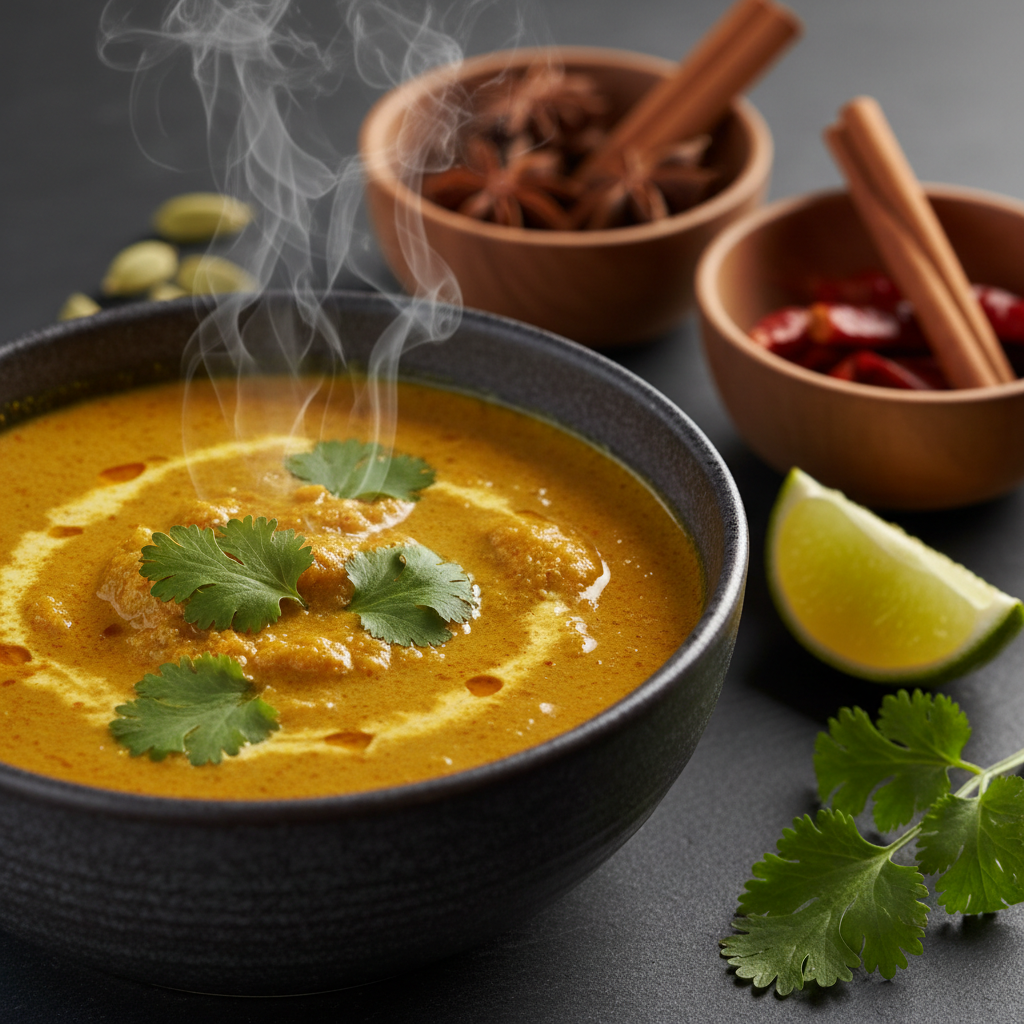
curry taste metallic or bitter: 7 Reasons Why Your Curry
curry taste metallic or bitter. Your curry tastes metallic or bitter primarily due to burnt or old spices, excessive turmeric or fenugreek, reactive cookware, or low-quality canned tomatoes.
curry taste metallic or bitter. We’ve all been there. You spend hours sourcing beautiful ingredients, carefully chopping your aromatics, and lovingly tending to a pot of what you *hope* will be the most fragrant, soul-warming curry of your life. You take that first, expectant spoonful and… something’s wrong. Instead of a symphony of flavor, you get a jarring note of bitterness or a weird, tinny aftertaste. It’s a deflating experience that can make you want to hang up your apron for good.
curry taste metallic or bitter. But don’t despair! The reasons are usually simple and, more importantly, fixable. We’ll investigate the common culprits and learn the tricks to not only rescue a pot that’s gone rogue but also prevent it from ever happening again.
curry taste metallic or bitter. Want to create your own custom recipes? Try our AI-powered recipe generator for personalized cooking solutions tailored to your ingredients and preferences.
The Bitter Truth: Common Causes of a Bitter Curry
curry taste metallic or bitter. Bitterness is the most frequent complaint when a curry goes wrong.
Culprit #1: You Burnt the Spices (The #1 Offender)
curry taste metallic or bitter. This is the most common reason for a bitter curry. Frying spices in oil, known as "blooming" or tadka, unlocks their fat-soluble flavor compounds. Ground spices can go from fragrant to scorched in seconds if the heat is too high, incinerating essential oils and creating a harsh, acrid, and deeply bitter taste.
The Fix: Use medium-low heat and keep stirring. As soon as spices release their fragrance, add a liquid ingredient like onions, ginger-garlic paste, or tomatoes to stop cooking. If you smell burning, you must start over. Burnt spices cannot be saved.
Culprit #2: Your Spices are Old and Stale
Spices lose potency with age. They fade, their bright flavors diminish, and they can leave a dusty, sometimes bitter, taste.
The Fix: Check your spices. They should have vibrant color and a strong, pleasant aroma. If faded or weak, replace them. For maximum flavor, buy whole spices and grind them yourself in small batches.
Culprit #3: Turmeric Overload
Turmeric gives curry its beautiful golden hue and provides a warm, earthy flavor. However, too much turmeric can quickly turn your curry from earthy to medicinal and bitter.
The Fix: Always measure turmeric carefully. Stick to recipe measurements. If freestyling, start with less (½ to 1 teaspoon for a 4-serving curry) and add more only if needed for color. You can always add, but you can't take away.
Culprit #4: Going Rogue with Fenugreek
Fenugreek, both seeds and dried leaves (kasuri methi), is a powerhouse of flavor. Seeds have a unique bittersweet, maple-like quality, but become intensely bitter if not used correctly. Over-toasting or using too many will result in a bitter curry. Too many dried leaves can also impart a bitter finish.
The Fix: Use fenugreek sparingly. For seeds, ½ teaspoon is often enough for an entire pot. For dried leaves, crush them between your palms and sprinkle them in at the very end of cooking to preserve aroma without extracting too much bitterness.
The Metallic Mystery: Why Your Curry Tastes Tinny
A curry taste metallic or bitter is a two-pronged problem, and the metallic side often has to do with chemical reactions happening right in your pot.
Culprit #5: Your Cookware is Reacting
Certain types of cookware are "reactive," meaning they can react chemically with acidic or alkaline foods. Main offenders are aluminum, unseasoned cast iron, and copper. When simmering acidic ingredients like tomatoes, tamarind, or lime juice in these pots, metal can leach into your food, leaving a distinct metallic taste.
As Serious Eats explains, this reaction can also discolor your food.
The Fix: Use non-reactive cookware for curry. Best bets are stainless steel, enameled cast iron (like Le Creuset or Staub), or glass. A well-seasoned carbon steel or cast iron wok can also work, as seasoning creates a barrier. Save aluminum pans for boiling water.
Culprit #6: The Trouble with Canned Tomatoes
Canned tomatoes and tomato paste can be a major source of metallic flavor. High acidity of tomatoes can react with the tin or aluminum of the can, especially if the can has a low-quality lining or is dented. This imparts a tinny flavor.
The Fix: Opt for high-quality canned tomatoes. Brands with BPA-free, enamel-lined cans are safer. Better yet, buy tomatoes packed in glass jars or Tetra Paks. Crucial tip: once opened, transfer any leftovers to a glass or plastic container immediately. Never store them in the opened can in the fridge!
Culprit #7: Certain Spices and Powders
While less common, some individual spices can have flavors perceived as metallic if old or used in wrong proportions. Spices like cloves, mace, or some cardamoms can have sharp, almost metallic notes if not balanced. Lower-quality pre-made curry powders may contain anti-caking agents or additives contributing to an off-taste.
The Fix: Use fresh, high-quality spices. If you suspect your curry powder, try making your own blend or switching to a different, reputable brand.
First Aid: How to Fix a Curry That's Already Gone Wrong
Prevention is great, but what if your curry *already* tastes metallic or bitter? Don't toss it! Here are emergency measures to salvage your dinner.
For a Bitter Curry: Balance is Everything
Bitterness is about perception. Counteract it by introducing other flavors to balance your palate.
- Add Fat: Fat mellows harsh flavors. Stir in a generous splash of full-fat coconut milk, a dollop of plain yogurt or sour cream, or a swirl of heavy cream. For dairy-free, cashew cream is fantastic.
- Add Sweetness: A touch of sweetness can mask bitterness. Add a pinch of sugar, a teaspoon of honey, or jaggery. Start small and taste as you go.
- Add Acidity: A bright pop of acid can cut through bitterness. A good squeeze of fresh lime or lemon juice at the end of cooking is often the secret weapon.
- Add Salt: Before anything else, ensure your curry is properly salted. Salt enhances and balances all other flavors.
For a Metallic Curry: Dilute and Distract
Fixing a metallic taste is trickier. The strategy is to dilute the flavor and distract your taste buds.
- Dilute the Base: Add more primary liquid (coconut milk, broth, or water). This waters down the metallic taste. You may need to adjust other seasonings afterward.
- Add a Starchy Vegetable: Add a peeled, chunked potato or two to the curry and simmer. The potato acts like a sponge, absorbing some liquid and off-flavors. While debated, some cooks swear by this method.
- Introduce Strong Flavors: Add ingredients with strong, complementary flavors to mask the metallic notes. Fresh ginger, garlic, or a squeeze of lime can help.
Conclusion
A metallic or bitter curry is often a sign of common cooking errors, easily preventable with attention to ingredients and technique. By understanding the causes—from burnt spices to reactive cookware—and applying the right fixes, you can transform a disappointing dish into a delicious one. Remember, cooking is a journey of learning and adjustment, and even experienced chefs encounter these issues. With these tips, you'll be well-equipped to ensure your curries are always flavorful and free from unwanted metallic or bitter notes, making every meal a success. For more food safety guidance, refer to resources like the Food Standards Agency.
```Frequently Asked Questions
Why does my curry taste metallic or bitter even without burnt spices?
If your curry tastes metallic or bitter and you've avoided burning the spices, consider the age of your spices or the quantity of turmeric. Old, stale spices can impart a dusty or bitter note, while too much turmeric can also lead to a distinct bitterness in your dish.
How can I prevent my curry from tasting metallic or bitter in the future?
To prevent your curry from tasting metallic or bitter, always start with fresh, high-quality spices. Bloom them carefully over medium-low heat and don't overcrowd the pan. Also, be mindful of the quantity of powerful spices like turmeric and fenugreek.
Can old spices really cause my curry to taste metallic or bitter?
Yes, absolutely. As spices age, they lose their vibrant flavors and can develop off-notes, sometimes tasting dusty, flat, or even slightly bitter. For the best flavor and to avoid a metallic or bitter curry, always check your spices for freshness before cooking.
My curry tastes metallic; is burnt fenugreek a common cause?
While the excerpt only mentions turmeric, fenugreek can also be a significant culprit if your curry tastes metallic or bitter. Fenugreek seeds and leaves, especially when overcooked or used in excess, contribute a strong, distinctly bitter flavor that can easily overwhelm other ingredients.
What is the most common reason for a curry taste metallic or bitter?
The most common reason for a curry to taste metallic or bitter is often burnt spices. When spices are fried at too high a heat, their essential oils incinerate, creating a harsh, acrid, and deeply bitter flavor that cannot be salvaged.