
30 High-Protein Dinners Under 500 Calories (That Actually Keep You Full)
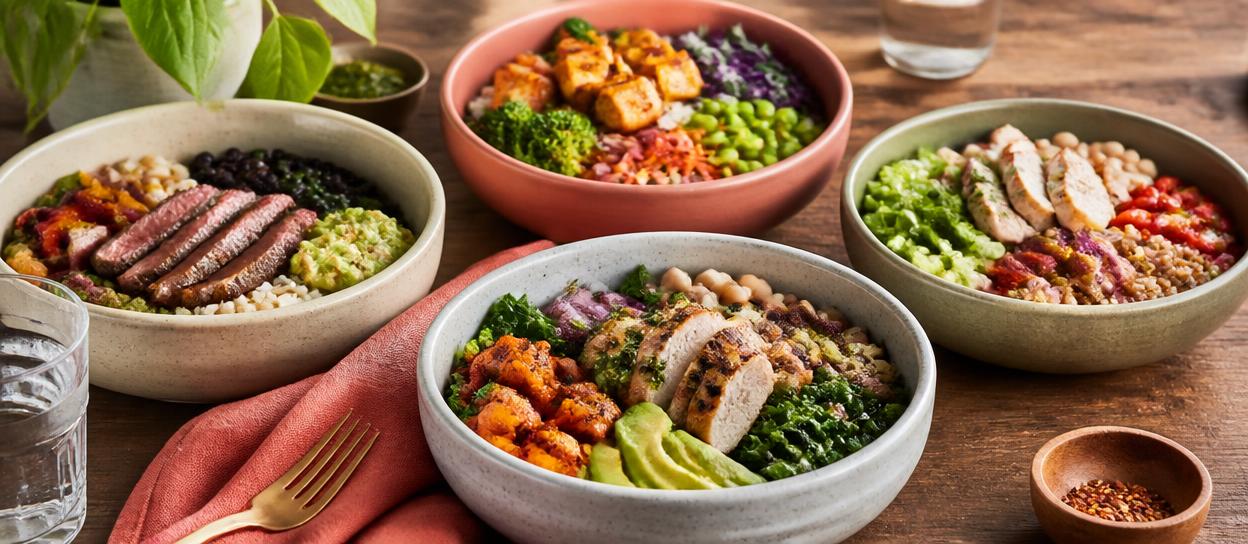
Finding dinners that are both low in calories and high in protein can often feel like an impossible puzzle. Many low-calorie meals leave you feeling hungry an hour later, while high-protein meals can easily push your daily calorie intake over the edge. The secret to sustainable weight management and muscle building is finding the sweet spot where these two goals intersect.
In this article, we will explore the principles of constructing meals that deliver maximum satiety for minimal calories, ensuring you can reach your fitness goals without sacrificing the joy of eating a satisfying dinner.
The Satiety Secret
The reason high-protein dinners are so effective for weight management is their impact on satiety. Protein takes longer to digest than carbohydrates and actively suppresses the hunger hormone ghrelin. When you consume a meal rich in protein, you remain full for a longer period, which naturally reduces the urge to snack late at night.
However, not all protein sources are created equal when you are watching your calorie intake. Fatty cuts of meat or heavy dairy products provide protein but come with a significant calorie penalty. The goal is to select lean proteins that offer a high protein-to-calorie ratio, allowing you to build a substantial, filling meal while staying under the 500-calorie mark.
Lean Proteins to Prioritize
To keep your dinners under 500 calories while hitting your protein targets, you need to rely on the most efficient protein sources available. Chicken breast and turkey mince are classic staples for a reason—they are incredibly lean and highly versatile. White fish, such as cod or haddock, is another excellent option that provides substantial protein for very few calories.
For plant-based options, tofu and tempeh are excellent choices when prepared correctly. Eggs and egg whites can also be incorporated into dinner meals, such as in a vegetable-packed frittata. By building your meals around these core ingredients, you establish a strong nutritional foundation that leaves plenty of room in your calorie budget for flavourful additions.
Volumetrics: Eating More for Less
The concept of volumetrics is crucial when designing low-calorie meals. This approach involves filling your plate with foods that have a high water and fibre content, which physically fills your stomach without adding significant calories. Vegetables are the ultimate volumetric food.
Instead of a small portion of pasta, consider using courgetti (zucchini noodles) or cauliflower rice. Load up your stir-fries with broccoli, bell peppers, and snap peas. By replacing calorie-dense carbohydrates with nutrient-dense vegetables, you can eat a visually large, physically satisfying meal that easily stays under the 500-calorie limit.
Stop Searching for Recipes Every Night
Constantly calculating calories and protein macros for every meal can become exhausting. If you want to take the stress out of meal planning, having a reliable collection of pre-calculated recipes is a game changer.
Flavour Without the Calories
One of the biggest mistakes people make when cooking low-calorie meals is removing all the flavour along with the fat. You do not need butter or heavy cream to make a meal taste incredible. Herbs, spices, and aromatics are your best tools for creating deeply flavourful dinners without adding calories.
Garlic, ginger, chillies, and fresh herbs like coriander and basil can transform a bland piece of chicken into a culinary delight. Citrus juices, such as lemon or lime, add brightness and acidity that elevate the entire dish. Experimenting with different spice blends allows you to enjoy a variety of global cuisines while strictly adhering to your nutritional goals.
Smart Swaps for Classic Comforts
You do not have to give up your favourite comfort foods; you just need to approach them with a different strategy. Small ingredient swaps can drastically reduce the calorie count while maintaining the protein content and overall satisfaction of the meal.
Swap traditional beef mince for lean turkey mince in your bolognese or chilli. Use Greek yoghurt instead of sour cream to create rich, creamy sauces with a fraction of the calories and a boost of extra protein. By mastering these simple substitutions, you can enjoy hearty, comforting dinners that align perfectly with your high-protein, low-calorie lifestyle.