
Brown Rice Takes Forever to Cook? 5 Ways to Speed It Up
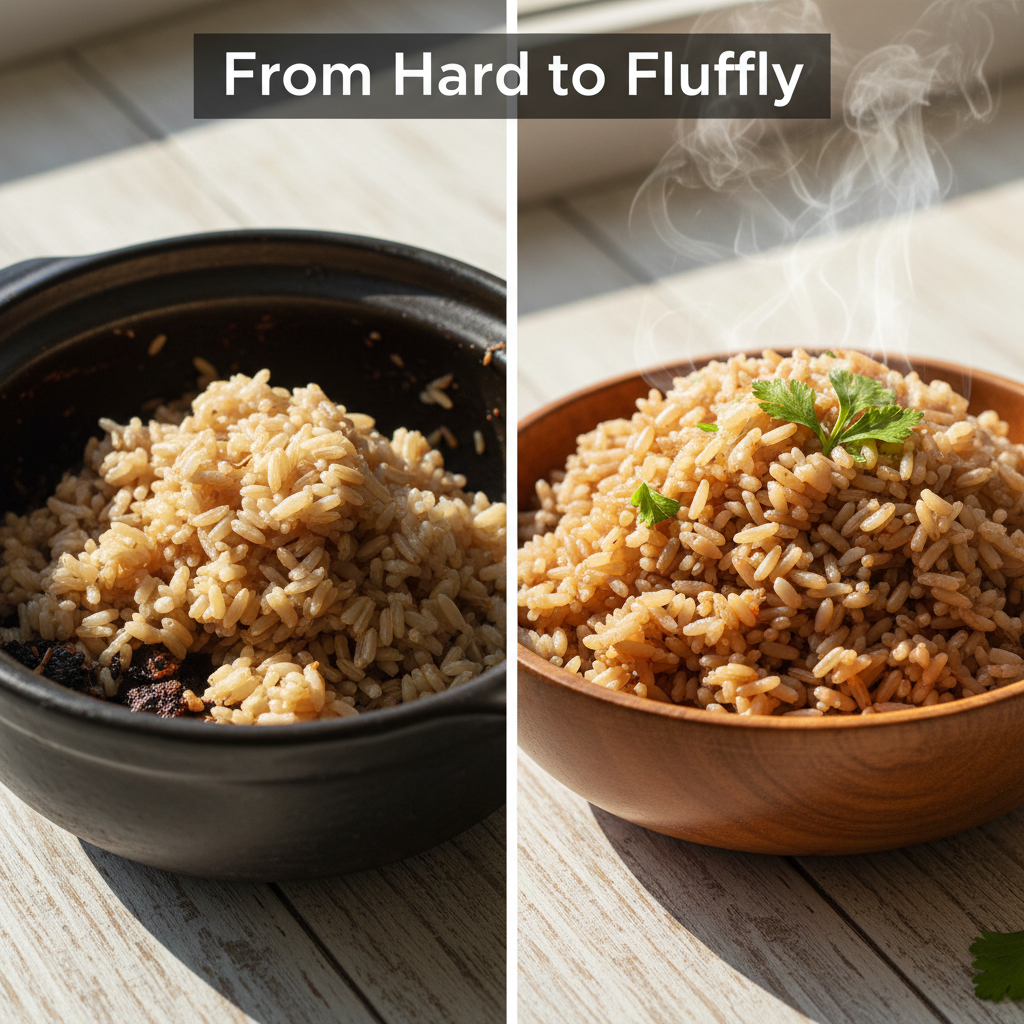
You’ve been simmering that pot of brown rice for what feels like an eternity. The recipe said 45 minutes, but here you are, an hour later, staring at grains that are still unpleasantly hard and chewy. What gives? If you’re wondering why your brown rice takes forever to cook, you’re not alone. This is one of the most common kitchen frustrations! The good news is that it's usually due to a few simple factors: the age of your rice, the hardness of your water, or your cooking method.
But don't you dare reach for that instant rice packet! We're going to break down exactly why this happens and give you five foolproof fixes to get perfectly fluffy, tender brown rice every single time. No more mush, no more crunch—just whole-grain perfection.
Want to create your own custom recipes? Try our AI-powered recipe generator for personalized cooking solutions tailored to your ingredients and preferences.
The Science Behind Stubborn Brown Rice
So, why does brown rice seem to have a mind of its own on the stovetop? It all comes down to its anatomy. Unlike white rice, which is just the starchy endosperm, a grain of brown rice is a whole grain. This means it comes complete with its tough, fibrous outer layer, called the bran, as well as the nutrient-rich germ.
This bran layer is the main culprit. It's rich in fiber and oil, which act as a natural waterproof jacket, making it much harder for water to penetrate the grain and reach the starchy interior. For rice to become soft and edible, its starches must absorb water and swell, a process known as starch gelatinization. The bran significantly slows this process down, which is why brown rice requires more water and a much longer cooking time than white rice.
Furthermore, factors like the pH of your cooking water can play a role. Very hard water, which is more alkaline, can actually strengthen the pectin in the rice's cell walls, making the bran even more resistant to softening. This is why sometimes the same bag of rice can cook differently in different locations!
| Feature | Brown Rice | White Rice |
|---|---|---|
| Anatomy | Whole grain (bran, germ, endosperm) | Refined grain (endosperm only) |
| Water Barrier | High (fibrous bran layer) | Low |
| Avg. Cooking Time | 40-50 minutes | 15-20 minutes |
5 Fixes When Your Brown Rice Takes Forever to Cook
Don't let a stubborn pot of rice ruin dinner. Here are five simple, effective fixes to rescue your rice and ensure perfect results from now on.
1. The Pre-Soak Solution
The Problem: The tough bran layer is preventing water from being absorbed efficiently, drastically slowing down the cooking process.
The Fix: Give your rice a head start! Before cooking, rinse your brown rice thoroughly and then place it in a bowl with plenty of water. Let it soak for at least 30 minutes, or even for a few hours on the counter. When you're ready to cook, drain the soaking water completely, and cook the rice using fresh water, following your recipe's ratio. You might find you need slightly less time on the stove.
Pro Tip: Soaking not only cuts down on cooking time but also helps to break down phytic acid in the bran, making the rice easier to digest and its nutrients more readily available.
2. The 'Pasta Method' Boil
The Problem: You're struggling with the water-to-rice ratio, and your rice is either too dry or absorbs all the water before it's tender.
The Fix: Forget the precise ratios and cook it like pasta. Bring a large pot of generously salted water to a rolling boil. Add your rinsed brown rice and cook, uncovered, stirring occasionally. After about 30 minutes, start testing a few grains. Once they are tender to your liking, drain the rice thoroughly in a fine-mesh sieve. Return it to the hot, empty pot, cover, and let it steam off the heat for 5-10 minutes to get extra fluffy.
Pro Tip: This method is nearly foolproof and is fantastic for cooking large batches of rice without worrying about getting crunchy spots or burning the bottom.
3. The Hard Water Hack
The Problem: You have hard water at home, and the high mineral content is making the rice bran tough and resistant to softening.
The Fix: Combat the alkalinity of hard water by adding a little acid. A small splash of lemon juice or white vinegar (about ½ teaspoon per cup of uncooked rice) into the cooking water can make a huge difference. The acid helps to break down the bran's structure, allowing it to soften much more easily. You can also simply use filtered water for a more neutral starting point.
Pro Tip: Don't worry about the taste! The amount of acid is so small that it will be undetectable in the final cooked rice, as recommended by experts at The Kitchn.
4. The 'Add More Hot Water' Rescue
The Problem: The timer went off, all the water is gone, but the rice is still hard. You're stuck in rice purgatory.
The Fix: This is an easy mid-cook save. If your rice is still crunchy after the initial cooking time, add another ¼ to ½ cup of boiling water to the pot. Immediately clamp the lid back on, keep the heat on the lowest possible setting, and let the rice continue to steam for another 10-15 minutes. The extra steam will finish the job without turning your rice into a gummy mess.
Pro Tip: It's crucial to use boiling or very hot water. Adding cold water will drop the temperature in the pot, shocking the grains and increasing your chances of ending up with mushy rice.
5. The Oven-Baked Method
The Problem: Your stovetop has uneven heat, causing some parts of the pot to cook faster than others and leaving you with inconsistent results.
The Fix: Use your oven for gentle, all-around heat. Preheat your oven to 375°F (190°C). In an oven-safe dish with a tight-fitting lid (like a Dutch oven), combine 1 cup of brown rice with 2 cups of boiling water or broth, 1 tablespoon of butter or oil, and 1 teaspoon of salt. Stir, cover tightly, and bake for 50-60 minutes. The rice will steam perfectly in the oven's consistent heat.
Pro Tip: This is my favorite hands-off method for entertaining. It produces perfectly separate, fluffy grains every time and frees up a burner on your stovetop.
How to Prevent Brown Rice from Taking Forever to Cook
The best fix is prevention! By adopting a few key habits, you can say goodbye to stubborn brown rice for good.
- Check the Date: Rice doesn't last forever. The oils in the bran of brown rice can go rancid, and very old rice becomes extremely dry and resistant to hydration. Buy rice from stores with high turnover and check the 'best by' date.
- Make Soaking a Habit: Treat soaking as a mandatory first step, not an optional one. Even a quick 30-minute soak while you prep other ingredients makes a world of difference.
- Use a Heavy-Bottomed Pot: A quality, heavy-bottomed pot or Dutch oven distributes heat far more evenly than a thin, cheap one. This prevents hot spots and ensures the rice cooks at a consistent temperature.
- Don't Peek!: Every time you lift the lid, you release precious steam. Steam is just as important as water for cooking the rice through. Keep the lid on tight until the timer goes off.
- Let It Rest: After the cooking time is up, always turn off the heat and let the rice sit, covered and undisturbed, for at least 10 minutes. This final steam step allows the moisture to redistribute evenly, ensuring every grain is perfectly tender.
Frequently Asked Questions
Why is my brown rice still hard after cooking for an hour?
If your brown rice is still hard after an hour, it's a classic sign that the water couldn't properly penetrate the bran layer. This is often caused by very old, dry rice, hard cooking water, or not enough steaming time. The best immediate fix is to add ¼ cup of boiling water, cover the pot tightly, and let it steam on low heat for another 15-20 minutes.
Does soaking brown rice make it mushy?
No, soaking shouldn't make your rice mushy if you do it right! The key is to drain the rice completely after soaking and then use fresh water for cooking. Soaking simply rehydrates the tough outer shell. If you're worried, you can slightly reduce the cooking water (e.g., use 1¾ cups of water for every 1 cup of rice instead of the usual 2 cups) to account for the water already absorbed. This is a great way to avoid the dreaded mushy rice problem.
Can you overcook brown rice?
Yes, you definitely can. While it's more forgiving than white rice, if you cook brown rice with too much water for too long, the grains will eventually burst and release their starches, resulting in a porridge-like, mushy texture. Using a timer and the correct water-to-rice ratio (or the pasta method) is the best way to prevent overcooking.
Complete Rice Troubleshooting Guide
This is just one of many common rice cooking issues. For a comprehensive guide covering all rice problems and solutions, check out our complete Complete Rice Troubleshooting Guide.