How to Fix Chewy Chicken: 5 Easy Ways to Get Tender Results
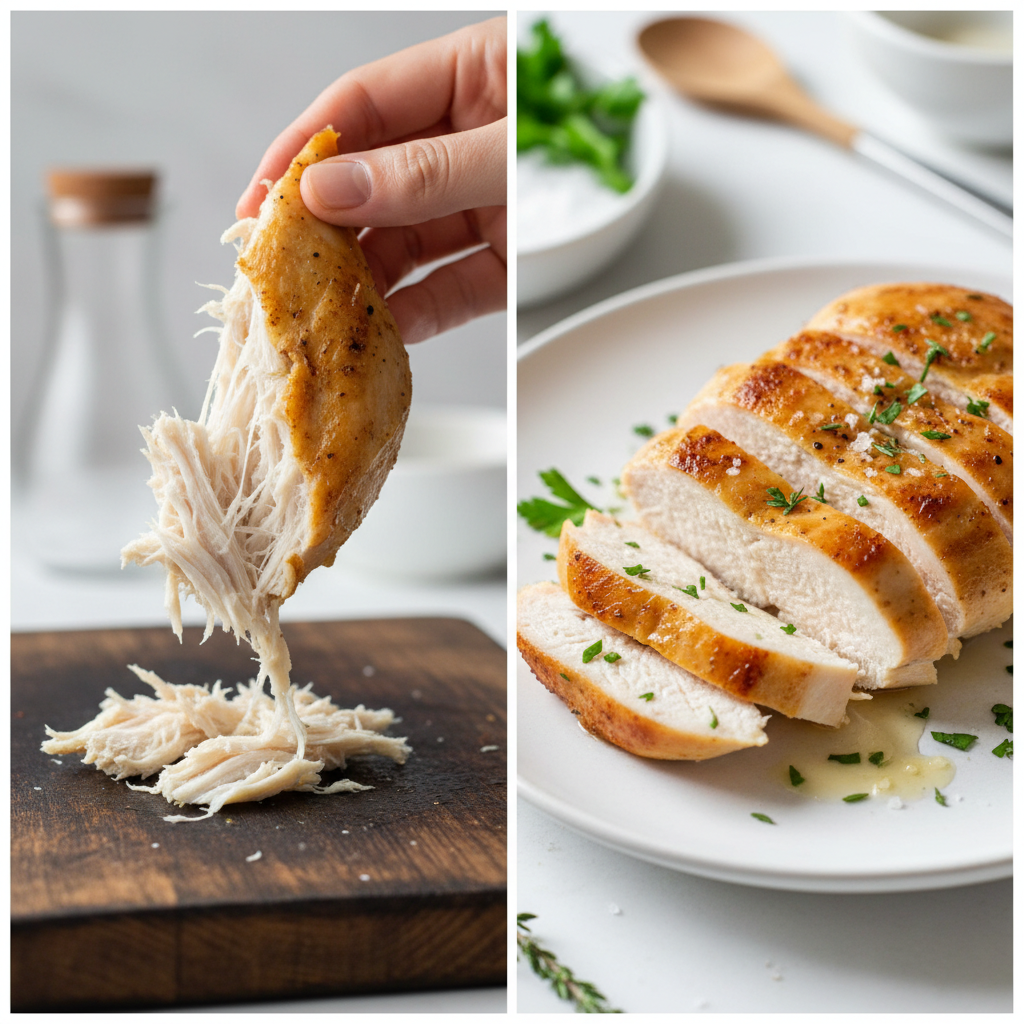
There’s nothing more disappointing than sitting down to a meal you’ve worked hard on, only to find the star of the show is a letdown. You take a bite of that beautiful golden-brown chicken breast, and… it’s a workout for your jaw. Sound familiar? When you find your chicken is chewy even when cooked, it’s a real dinner-time tragedy.
This culinary frustration usually boils down to a few key culprits: overcooking, the specific cut of chicken you're using, or how the meat was prepared before it even hit the pan. But don't worry, we're here to turn that tough, stringy texture into a thing of the past. Getting tender, juicy chicken is totally achievable, and we'll show you how.
Want to create your own custom recipes? Try our AI-powered recipe generator for personalized cooking solutions tailored to your ingredients and preferences.
The Science Behind Chewy Chicken
So, what's happening on a microscopic level to create that dreaded chewy chicken? It all comes down to protein and water. Chicken meat is made of muscle fibers, which are bundles of proteins called myofibrils, all held together by connective tissue (collagen).
When you apply heat, these proteins begin to contract and denature. A little bit of this is good—it's what makes raw chicken edible and firm. However, when chicken is heated past a certain point, these muscle fibers contract intensely, squeezing out the internal moisture like a sponge. This moisture loss is the primary reason for a dry, stringy, and chewy texture.
Different cuts also have different amounts of collagen. Thighs and legs, which are working muscles, have more collagen. This collagen needs to be cooked low and slow to break down into silky gelatin, making the meat tender. If you cook a thigh quickly like a breast, the collagen remains tough, contributing to a chewy feel. This is why understanding cooking temperatures is so critical.
| Chicken Cut | Target Internal Temperature | Recommended Cooking |
|---|---|---|
| Chicken Breast (lean) | 160-165°F (71-74°C) | Fast (sear, grill, bake) |
| Chicken Thigh/Leg (fattier) | 175-185°F (79-85°C) | Slow (braise, roast, stew) |
Hitting these temperatures precisely ensures proteins are perfectly cooked without squeezing out all their delicious juices.
5 Quick Fixes for Chewy Chicken
If you're currently staring at a plate of chewy chicken, don't despair! Here are the most common reasons it happens and how to fix it for next time.
1. The Problem: You Overcooked It
This is the number one cause of chewy chicken. It's so easy to do, especially with lean chicken breasts. You leave it on the heat for "just one more minute" to be safe, and suddenly all the moisture is gone.
The Fix: Use a digital meat thermometer! It's the single most effective tool for preventing overcooked meat. For chicken breasts, pull them from the heat when the thickest part reads 160°F (71°C). The temperature will continue to rise a few degrees as it rests, a process called carryover cooking, bringing it to the USDA-safe temperature of 165°F.
Pro Tip: Invest in a quality instant-read thermometer like a Thermapen. It gives you a reading in seconds, so you're not leaving the oven door open and losing heat while you wait.
2. The Problem: You Used the Wrong Cooking Method
Trying to pan-sear a bone-in, skin-on chicken thigh in 5 minutes will result in a raw center and a tough exterior. Conversely, slow-cooking a delicate chicken breast for hours will turn it into stringy floss.
The Fix: Match the method to the cut. Use high-heat, quick-cooking methods (sautéing, grilling, pan-searing) for tender cuts like chicken breasts and tenderloins. Use low-and-slow methods (braising, stewing, slow-roasting) for tougher, collagen-rich cuts like thighs and legs to allow that connective tissue to break down into luscious gelatin.
Pro Tip: For chicken breasts, try butterflying them (slicing them in half horizontally) to create a thinner, more evenly-cooking cutlet. This drastically reduces cooking time and the risk of overcooking.
3. The Problem: The Chicken Was Not Prepped Properly
Sometimes chicken is destined to be chewy before it even sees a flame. A lack of seasoning or moisture-enhancing prep can leave lean meat vulnerable to drying out.
The Fix: Brine it! A brine is a simple solution of salt and water (and sometimes sugar). Soaking your chicken in a brine for as little as 30 minutes can make a world of difference. The salt helps the muscle fibers retain moisture during cooking. For a deeper dive, check out this guide to brining from Serious Eats.
Pro Tip: A simple brine is about 1 tablespoon of salt per cup of water. Submerge the chicken for 30 minutes to 4 hours in the fridge. Rinse and pat thoroughly dry before cooking to ensure a beautiful, crispy skin.
4. The Problem: You Sliced It Immediately
The sizzle is tempting, and you're hungry! You pull that perfectly cooked chicken off the grill and slice right into it, only to see all the juices run out onto your cutting board, leaving the meat dry.
The Fix: Let it rest! After cooking, transfer the chicken to a cutting board and let it rest for 5-10 minutes before slicing. This allows the muscle fibers, which tensed up during cooking, to relax and reabsorb the juices. Slicing too early is a key reason chicken can become terribly dry.
Pro Tip: Tent the chicken loosely with a piece of aluminum foil while it rests. This keeps it warm without trapping steam, which could make the skin soggy.
5. The Problem: It's "Woody Breast" Syndrome
This is a strange but increasingly common issue with commercially raised chicken. "Woody breast" refers to a muscle abnormality that makes chicken breasts unusually hard, pale, and fibrous. It feels tough and... well, woody, even when cooked perfectly.
The Fix: While you can't completely fix a woody breast, you can make it more palatable. Pounding the breast to a uniform thickness can help break down some of the tough fibers. Alternatively, slice the meat very thinly against the grain for use in stir-fries or fajitas, or use a marinade with an acidic or enzymatic component (like pineapple juice or yogurt) to help tenderize it. This issue is a close cousin to what causes a rubbery chicken texture.
Pro Tip: You can sometimes identify a woody breast at the store. It will feel unusually firm and rigid to the touch. Learn more about it from sources like The Kitchn.
How to Prevent Chewy Chicken in the Future
- Invest in a Thermometer: We can't say it enough. It's the only way to know for sure when your chicken is done.
- Brine or Marinate: Always give lean cuts like chicken breast a little help in the moisture department.
- Don't Crowd the Pan: Give your chicken pieces space. Overcrowding steams the meat instead of searing it, leading to a pale, rubbery texture.
- Respect the Rest: A 5-10 minute rest is non-negotiable for juicy, tender chicken.
- Slice Against the Grain: Look for the direction the muscle fibers run, and slice perpendicular to them. This shortens the fibers, making each bite more tender.
Frequently Asked Questions
Why is my chicken chewy and rubbery?
This combination usually points to overcooking, especially cooking too fast at a very high heat. The proteins seize up rapidly, squeezing out all moisture and creating a texture that is both tough (chewy) and bouncy (rubbery). Our post on why chicken gets rubbery explores this in more detail.
Can you fix chewy cooked chicken?
Yes, to an extent! You can't make it a perfect chicken breast again, but you can salvage it. Shred the chewy chicken and simmer it gently in a flavorful liquid like chicken broth, BBQ sauce, or salsa. This adds moisture back in and makes it perfect for tacos, shredded chicken sandwiches, or adding to a soup.
Does boiling chicken make it chewy?
It certainly can. Boiling involves high, aggressive heat that can easily overcook chicken, making it tough and chewy. A much better method is poaching, where you cook the chicken gently in liquid that is just below a simmer (around 170-180°F). This cooks the chicken gently, preserving its moisture and resulting in a much more tender product.
Complete Chicken Troubleshooting Guide
This is just one of many common chicken cooking issues. For a comprehensive guide covering all chicken problems and solutions, check out our complete Complete Chicken Troubleshooting Guide.