
5 Easy Fixes When Your Curry Doesn't Smell Like a Restaurant
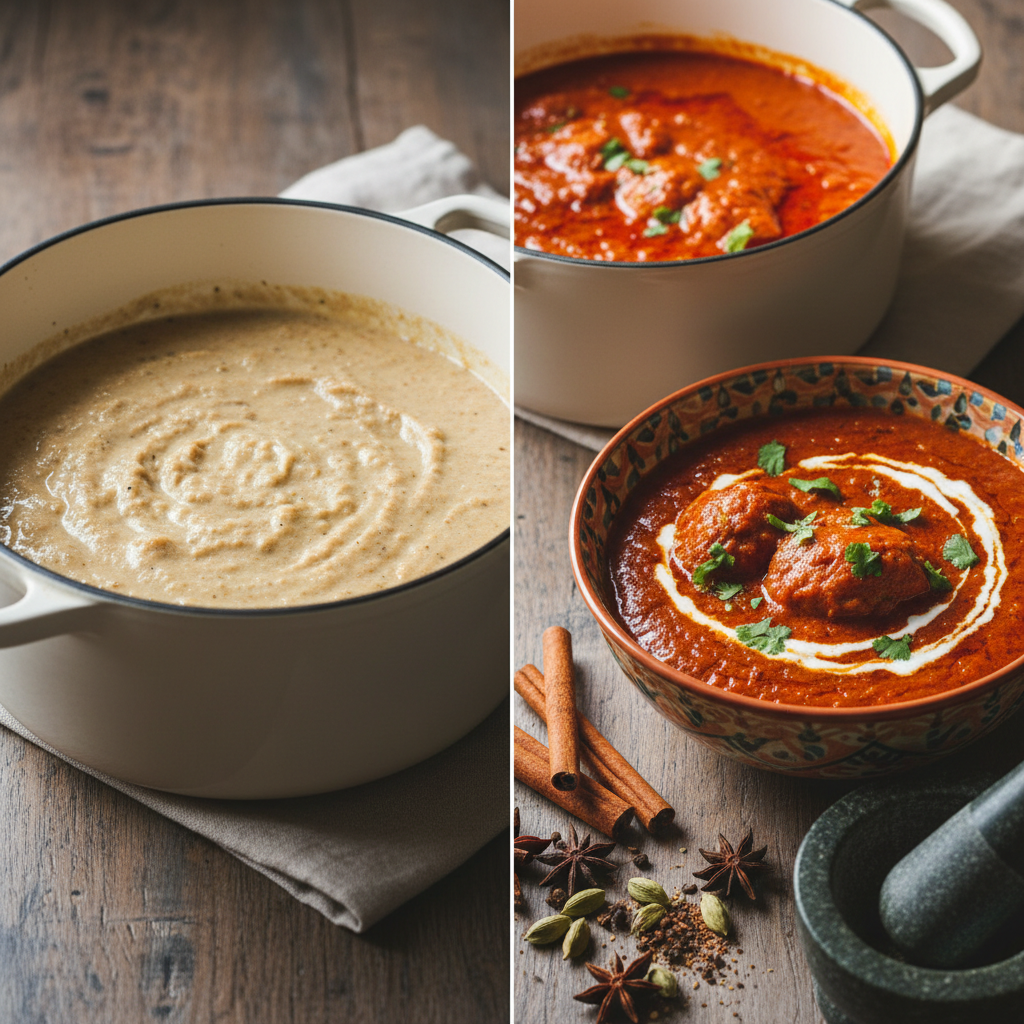
My Curry Doesn't Smell Like a Restaurant's - Why & How to Fix
Your curry lacks restaurant aroma primarily due to improper spice handling, stale ingredients, and missing crucial finishing steps.
Want to create your own custom recipes? Try our AI-powered recipe generator for personalized cooking solutions tailored to your ingredients and preferences.
The Science Behind That Irresistible Curry Aroma
Restaurant curry aroma is chemistry. Deep, savory notes come from browning onions, triggering the Maillard reaction and caramelization. Spices, rich in volatile aromatic compounds, are the true stars.
Many of these compounds are fat-soluble, requiring heat in fat (oil or ghee) to fully release their potential. This process is "blooming" or `tadka`. Simply adding spices to water only hydrates them, missing the crucial fat-and-heat step that unlocks complex aromas. Without this, your curry will lack that all-encompassing, mouth-watering scent.
6 Quick Fixes for When Your Curry Doesn't Smell Like a Restaurant's
Transform your homemade curry with these fixes, targeting common reasons for a flat aroma.
1. The Fix: Master the Art of 'Tadka' (Blooming Spices)
The Problem: Adding ground spices directly to wet ingredients skips essential fat-blooming.
The Fix: Always start with a `tadka`. Heat oil or ghee over medium heat. Add whole spices (cumin, mustard seeds, cinnamon sticks) and let them sizzle. Then, add ground spices (turmeric, coriander, chili powder), stirring constantly for 30-45 seconds until fragrant. Immediately add onions or other wet ingredients to prevent burning.
Pro Tip: For extra aroma, perform a second `tadka` at the end. Heat ghee in a small pan, bloom more spices, and pour over the finished curry just before serving.
2. The Fix: Ditch the Old, Pre-Ground Spices
The Problem: Old ground spices lose volatile oils and potency, becoming flavorless.
The Fix: Invest in whole spices and a dedicated grinder or mortar and pestle. Grinding spices like cumin, coriander, and peppercorns just before use makes a huge difference in aroma. If using pre-ground, buy small quantities from high-turnover stores and use within months.
Pro Tip: Gently toast whole spices in a dry pan for a minute before grinding to awaken their oils and add nutty aroma.
3. The Fix: Properly Brown Your Aromatics
The Problem: Rushing onion cooking leaves a raw taste and fails to build a deep, sweet, savory base.
The Fix: This is `bhuna`. Cook finely chopped onions in oil over medium-low heat for 15-20 minutes until deep golden or reddish-brown. This slow caramelization forms the foundation of flavor and aroma. Then, add ginger-garlic paste and cook for another minute until its raw smell dissipates. This also helps prevent a watery curry by cooking out moisture.
Pro Tip: Add a pinch of salt to onions as they cook to draw out moisture and promote browning.
4. The Fix: Introduce 'Secret' Restaurant Aromatics
The Problem: Your spice rack lacks key ingredients used by restaurants for characteristic background aromas.
The Fix: Add these to your pantry:
- Kasuri Methi (Dried Fenugreek Leaves): Adds a savory, slightly bitter, deeply aromatic scent common in restaurant curries.
- Asafoetida (Hing): Used sparingly, mimics onion and garlic, adding umami. Add a tiny pinch to hot oil at the start.
- Amchur (Dried Mango Powder): Adds tangy, fruity notes, brightening the dish without extra liquid.
Pro Tip: Crush kasuri methi between your palms before adding to the curry during the last 5 minutes to release essential oils.
5. The Fix: Don't Forget the Finishing Touches
The Problem: Serving curry straight from the pot dulls fresh spice notes from long cooking.
The Fix: Finish your curry off the heat. Reintroduce fresh aromas with a handful of chopped cilantro. Add a squeeze of fresh lemon or lime juice to lift flavors. A small sprinkle of garam masala at the end adds a final layer of warm spice aroma.
Pro Tip: If using yogurt or cream, stir in gently off the heat to prevent splitting. This adds richness, not aroma.
6. The Fix: Upgrade Your Curry Base
The Problem: Your base is just onions, ginger, garlic, and tomatoes, making it one-dimensional.
The Fix: Many British Indian Restaurants (BIR) use a pre-made 'base gravy'. This is a batch of mildly spiced, boiled, and blended vegetables (onions, carrots, bell peppers, cabbage) forming the foundation for most curries. Making a batch provides a head start and complex, layered aroma, fixing a bland-tasting curry.
Pro Tip: Freeze base gravy in ice cube trays for quick, aromatic weeknight curries.
How to Prevent a Lackluster Curry Aroma From the Start
Build these habits for consistently aromatic curries:
- Start with Whole Spices: Grind whole spices yourself just before cooking for astounding difference.
- Bloom in Fat: Never skip `tadka`. Bloom spices in hot oil or ghee to unlock fat-soluble compounds.
- Be Patient with Your Base: Dedicate 15-20 minutes to slowly browning onions. This `bhuna` step is foundational.
- Stock Your Pantry: Keep kasuri methi and quality garam masala on hand.
- Finish Strong: Always finish off the heat with fresh cilantro and lemon/lime juice to brighten aromas.
Frequently Asked Questions
Why does my homemade chicken curry not smell like the one from the takeaway?
Takeaways use pre-made base gravy for complex background aroma. They also expertly bloom spices (`tadka`), use fresh spice blends, and finish with ingredients like kasuri methi, creating their signature scent. Replicating these techniques is key.
Can I make my curry more fragrant without making it spicier?
Yes. Fragrance and heat are distinct. Boost aroma without heat using spices like cumin, coriander, turmeric, cinnamon, cardamom, and cloves. Toasting and grinding them fresh makes a huge impact. Finishing with fresh cilantro, lemon juice, and kasuri methi adds immense fragrance without heat.
What is the most important spice for a good curry smell?
While a curry is a spice symphony, many chefs cite kasuri methi (dried fenugreek leaves) for that 'restaurant' smell. Crushed and added at the end, it provides a unique savory, aromatic quality. For foundational aroma, freshly ground and bloomed cumin and coriander are essential.