
Why Curry Doesn't Smell Like Restaurant Curry: 5 Easy Fixes
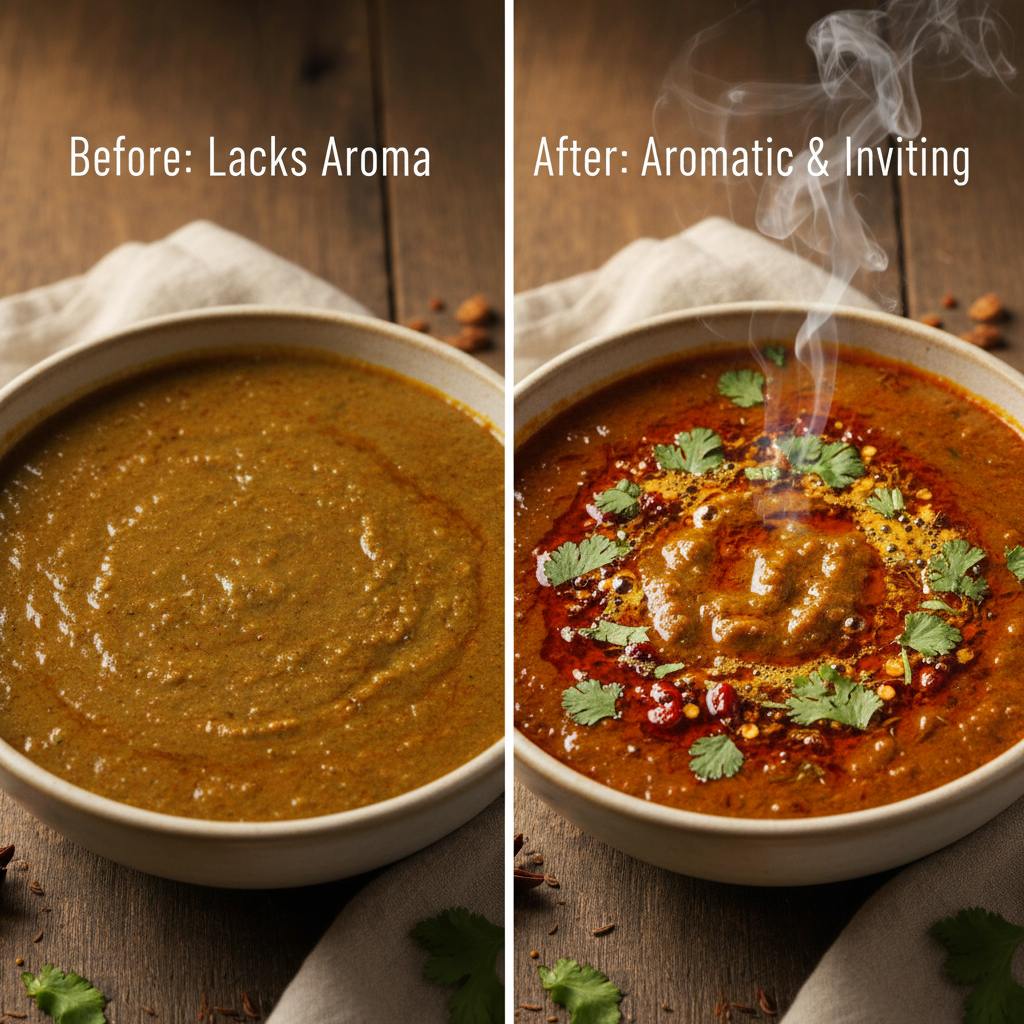
You’ve done it. You’ve simmered your chicken tikka masala for an hour, the color is a gorgeous sunset orange, and the rice is perfectly fluffy. You lean in for a big, satisfying sniff, expecting that intoxicating aroma that hits you when you walk into your favorite Indian restaurant, but... it's just not there. It smells fine, but it’s missing that complex, multi-layered fragrance. If you're wondering why your curry doesn't smell like restaurant curry, you're not alone! The issue usually boils down to a few key techniques: using old spices, not blooming them correctly in fat, or skipping a final flavor bomb called a tarka.
Don't worry, this is one of the easiest curry problems to fix, and the results are immediate. Let's dive into the simple science and techniques to transform your curry's aroma from flat to fantastic.
Want to create your own custom recipes? Try our AI-powered recipe generator for personalized cooking solutions tailored to your ingredients and preferences.
The Science Behind That Missing Restaurant Curry Aroma
That incredible, room-filling curry smell comes from hundreds of volatile aromatic compounds locked inside your spices. The secret to releasing them isn't water; it's fat and heat. Many of these compounds are fat-soluble, meaning they dissolve in oil or ghee, not in the water-based components of your curry sauce. When you “bloom” spices by frying them in hot fat, you're extracting these compounds and making them available to your senses. It's a crucial flavor-building step known as tadka or tarka.
Furthermore, the process of browning onions, garlic, and ginger triggers the Maillard reaction, a chemical reaction between amino acids and reducing sugars. This reaction creates a symphony of new, deeply savory and aromatic molecules that simply don't exist in raw or lightly-stewed ingredients. Skipping or rushing these steps is a primary reason why a curry doesn't smell like restaurant curry.
| Spice Form | Ideal Oil Temperature | Blooming Time | Why it Works |
|---|---|---|---|
| Whole Spices (Cumin seeds, Mustard seeds) | 325-350°F (160-175°C) | 30-60 secs | Extracts fat-soluble oils before they burn. Listen for popping! |
| Ground Spices (Turmeric, Chili Powder) | 250-275°F (120-135°C) | 15-30 secs | Large surface area releases flavor fast and burns easily. |
| Fresh Aromatics (Onion, Ginger, Garlic) | 275-300°F (135-150°C) | 5-20 mins | Releases water and allows for gentle caramelization and the Maillard reaction. |
5 Quick Fixes for a Curry That Doesn't Smell Like a Restaurant's
Fix 1: You're Not Blooming Your Spices (The Tadka/Tarka)
The Problem: You're adding your ground spice mix directly into the simmering sauce or with the tomatoes. This hydrates the spices but misses the crucial step of unlocking their fat-soluble aromatic oils, resulting in a dull, one-dimensional smell. The Fix: Start your curry with a tadka. Heat a few tablespoons of ghee or a neutral oil in your pot. Add whole spices like cumin seeds or mustard seeds and wait for them to sizzle and pop (this tells you the oil is hot enough). Next, add your ground spices and stir constantly for just 15-30 seconds until they are fragrant. Immediately add your onions or a splash of water to prevent them from burning. This simple step is a total game-changer. Pro Tip: For a final, explosive burst of aroma, perform a second tarka at the end. In a small, separate pan, heat some ghee, bloom some spices (like sliced garlic, dried red chilies, or more cumin seeds), and pour this sizzling mixture over the finished curry just before serving. It's pure restaurant magic!Fix 2: Your Spices Are Old and Stale
The Problem: Those volatile oils we talked about? They degrade over time. That jar of paprika you bought three years ago has lost most of its aromatic power. Using stale spices is like trying to make a floral perfume with wilted flowers. The Fix: Open your spice jars and smell them. If the aroma is faint or dusty, it's time to replace them. For maximum potency, buy whole spices (like cumin seeds, coriander seeds, and peppercorns) and grind them yourself in a coffee or spice grinder right before you cook. The difference in aroma is night and day. Pro Tip: Buy spices in small quantities from shops with high turnover, like an Indian grocery store or a well-stocked supermarket. Store them in airtight containers away from heat and light (so, not in that cute rack right above your stove).Fix 3: You're Skipping the Foundational Aromatics
The Problem: You're relying solely on a pre-made curry powder and missing the fresh, pungent base that defines most authentic curries. Curry powder is a finishing spice, not the foundation. The Fix: Build your base. Nearly every great curry starts with the holy trinity of Indian cooking: onion, ginger, and garlic. Start by sautéing finely chopped onion until it's soft and sweet. Then, add a paste made from fresh ginger and garlic and cook for another minute or two until the raw smell is gone. This creates a deep, aromatic canvas for your spices. Pro Tip: Save time by making a large batch of ginger-garlic paste. Blend equal parts peeled ginger and garlic with a tiny bit of oil or water to form a smooth paste. Freeze it in ice cube trays for perfectly portioned, ready-to-use flavor bombs.Fix 4: You're Forgetting the Finishing Touches
The Problem: Your curry smells great while it's simmering, but by the time it gets to the table, the aroma has faded. Many of the most delicate aromatic compounds are destroyed by long cooking. The Fix: Add a layer of fresh, bright aroma at the very end. Stir in a pinch of garam masala (a blend of aromatic “warming” spices) during the last minute of cooking. A generous handful of chopped fresh cilantro (coriander) or a squeeze of fresh lime or lemon juice right before serving can instantly lift and brighten the entire dish. Pro Tip: The ultimate restaurant secret weapon is kasuri methi (dried fenugreek leaves). Take a tablespoon, crush it between your palms to release the oils, and sprinkle it over your curry in the last two minutes of cooking. It adds a uniquely savory, slightly sweet, and hauntingly delicious aroma that is quintessentially restaurant-style. You can find it at any Indian grocery or online.Fix 5: Your Onion Base Isn't Caramelized Enough
The Problem: You're rushing the first and most important step. You cook your onions for 5 minutes until they're soft and translucent, but you don't take them to the deep golden-brown stage where the real magic happens. The Fix: Patience! After your initial tadka, add your chopped onions and cook them on low-to-medium heat for a full 15-20 minutes, stirring occasionally. They should transform from pungent and white to sweet, jammy, and deeply golden. This deep caramelization builds an incredible foundation of flavor and aroma that you can't get any other way. This is also a key reason people find their curry tastes bland. Pro Tip: If your onions start to stick or burn, add a tablespoon of water and scrape the bottom of the pan. This deglazes the pan, lifting all those delicious browned bits back into the sauce. Be careful not to use high heat, as burnt onions can quickly make your curry bitter.How to Prevent a Lackluster Curry Aroma From the Start
- Buy Whole, Grind Fresh: Invest in a cheap coffee grinder (used only for spices) and grind what you need for each recipe. This is the #1 way to guarantee a fragrant curry.
- Master the Tadka: Practice the two-stage process of blooming spices in fat. First whole spices until they pop, then ground spices for just a few seconds. It's a fundamental Indian cooking technique.
- Respect the Onion: Dedicate the time to properly brown your onions. Put on some music, pour a drink, and let them slowly caramelize. This step cannot be rushed.
- Layer Your Aromatics: Don't add everything at once. Build flavor in layers: fat, whole spices, ground spices, aromatics (onion/ginger/garlic), main ingredients, liquid, and finally, finishing touches.
- Finish with a Flourish: Always end with a fresh element. A final tarka, a sprinkle of garam masala, a handful of fresh cilantro, or a squeeze of lime juice will reawaken the aromas right before serving.
Frequently Asked Questions
Why does my kitchen smell amazing while cooking curry, but the final dish is less fragrant?
This happens because the most volatile aromatic compounds are released into the air with the steam during a long simmer. While this makes your house smell wonderful, it means some of the aroma has left the pot. This is why a finishing touch, like fresh cilantro, a squeeze of lime, or a final sizzling tarka, is so important. It adds a fresh layer of aroma right at the end, bringing it back to life before it hits the table.
Can I just add more curry powder to make my curry smell stronger?
While tempting, simply adding more raw curry powder is not the answer. It can make your curry taste chalky, gritty, or even bitter, as the spices haven't been properly bloomed. The key is not the quantity of spice, but the technique. Blooming a smaller amount of spices in oil will always produce a more fragrant and delicious result than adding a larger amount of raw spices to liquid. If you find your curry is tasting bitter, you might be burning your spices; check out our guide on how to fix a bitter curry.
What is the one secret ingredient for that authentic restaurant curry smell?
If we had to pick just one, it would be Kasuri Methi (dried fenugreek leaves). It’s not in every curry, but it’s in many popular restaurant dishes like Butter Chicken and Paneer Makhani. When crushed and added at the end of cooking, it imparts a uniquely savory, slightly sweet, and complex aroma that many people associate with an authentic restaurant curry. It's the “what is that amazing smell?” ingredient.
Complete Curry Troubleshooting Guide
This is just one of many common curry cooking issues. For a comprehensive guide covering all curry problems and solutions, check out our complete Complete Curry Troubleshooting Guide.