
Safe Food Storage Temperature Chart: Free Kitchen Printable
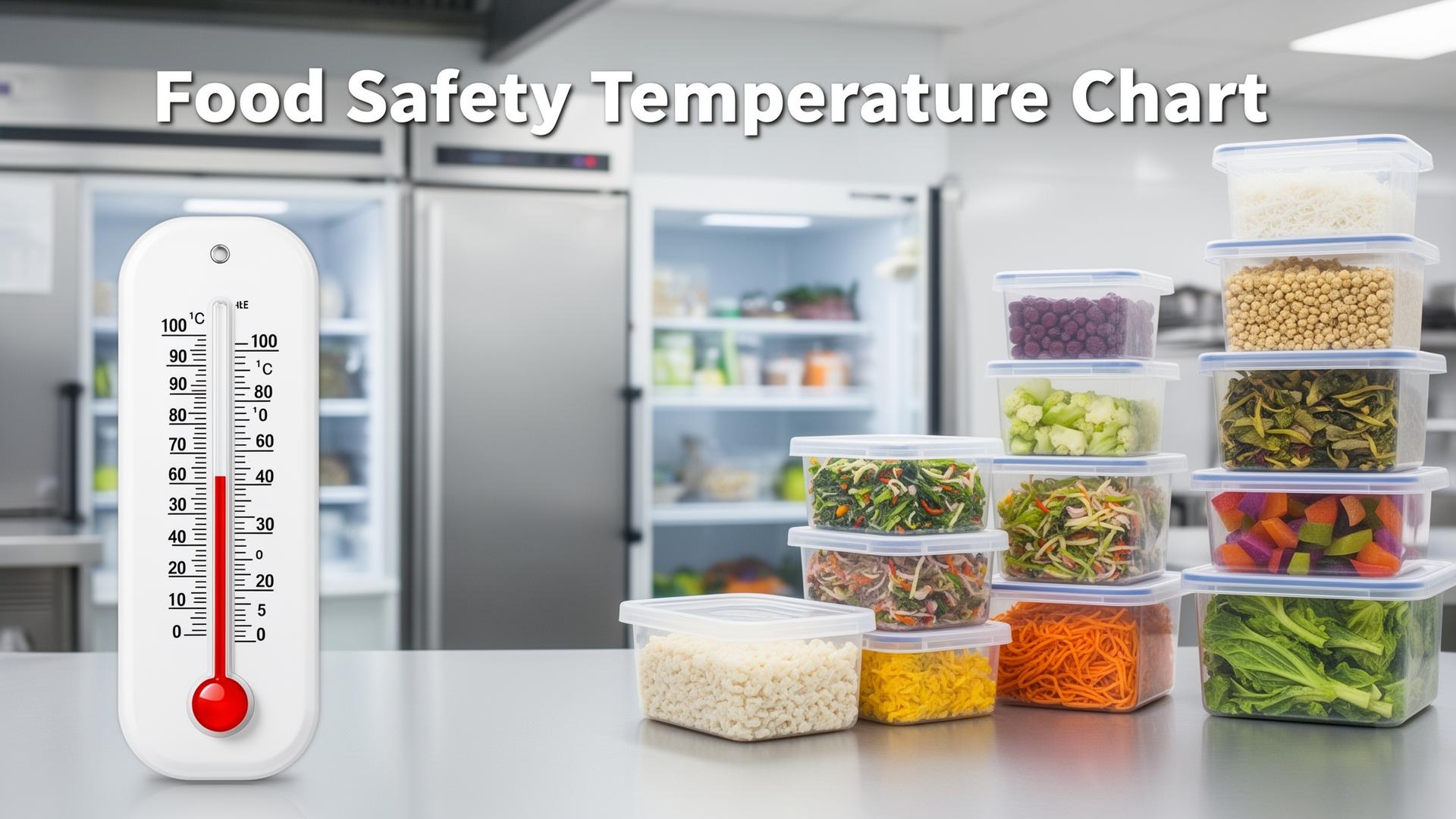
Safe Food Storage Temperature Chart (Printable)
Knowing the correct food storage temperatures is one of the simplest ways to prevent foodborne illness. Yet most kitchens — both home and professional — don't have a quick-reference chart on hand. This printable food storage temperature chart gives you everything you need in one place: fridge temperatures, freezer temperatures, safe reheating temperatures, and storage durations for the most common high-risk foods.
Print it. Stick it on your fridge. Share it with your team. According to the Food Standards Agency, keeping food at the correct temperature is the single most effective way to prevent bacterial growth and food poisoning.
📥 Download Free Printable PDF
Print this chart and stick it on your fridge for instant food safety reference.
Key Food Storage Temperatures at a Glance
These are the critical temperature thresholds every kitchen should follow, based on NHS food safety guidelines and FSA recommendations:
| Zone | Temperature | What It Means |
|---|---|---|
| ❄️ Freezer | -18°C or below | Bacteria completely dormant. Food safe indefinitely (quality degrades over time). |
| 🧊 Fridge | 0°C – 5°C | Bacteria grow very slowly. Safe for short-term storage. |
| ⚠️ Danger Zone | 8°C – 63°C | Bacteria multiply rapidly. Discard food left here for 2+ hours. |
| 🔥 Safe Reheating | 70°C+ for 2 minutes | Kills most active bacteria. Must reach core temperature. |
| 🍗 Safe Cooking (Poultry) | 75°C+ core temp | Required minimum for chicken, turkey, and all poultry. |
Safe Food Storage Duration Chart
How long can you safely store common foods? This food storage temperature chart covers the most common high-risk items. All fridge times assume your fridge is running at 5°C or below.
| Food | Fridge (0–5°C) | Freezer (-18°C) | Key Notes |
|---|---|---|---|
| Cooked Rice | 24 hours max | Up to 1 month | Cool within 1 hour. Bacillus cereus risk. |
| Raw Chicken | 1–2 days | Up to 9 months | Store on bottom shelf. Never wash raw chicken. |
| Cooked Chicken | 2 days | Up to 6 months | Cool within 2 hours. Reheat to 70°C+. |
| Raw Beef / Lamb | 3–5 days | Up to 12 months | Steaks last longer than mince (1–2 days for mince). |
| Cooked Beef | 2–3 days | Up to 3 months | Store in airtight container. |
| Fresh Fish | 1–2 days | Up to 6 months | Use or freeze on day of purchase ideally. |
| Cooked Leftovers | 2–3 days | Up to 3 months | Reheat once only. Must hit 70°C core. |
| Eggs | Use by best-before date | Up to 12 months (beaten) | Store in fridge. Float test for freshness. |
| Milk | Use-by date | Up to 1 month | Freeze before use-by. Leave space in container. |
| Fresh Vegetables | 3–7 days (varies) | Up to 12 months (blanched) | Leafy greens spoil fastest. Root veg lasts longest. |
Fridge Temperature: Why 5°C Matters
The Food Standards Agency recommends keeping your fridge at 5°C or below. This sits safely below the 8°C danger zone threshold where bacteria begin multiplying rapidly.
The problem? Most people don't actually check. A study by the FSA found that many UK fridges run between 7°C and 10°C — well into the danger zone. A simple fridge thermometer costs less than £5 and could prevent serious illness.
Quick fridge tips:
- Don't overload your fridge — air needs to circulate
- Keep raw meat on the bottom shelf to prevent cross-contamination
- Don't put hot food straight in — cool it first (within 2 hours)
- Check the temperature weekly with a thermometer
Freezer Temperature: -18°C Is the Standard
Your freezer should run at -18°C or below. At this temperature, bacterial activity stops completely. Food remains safe indefinitely in the freezer, though quality (texture, flavour) will degrade over time.
The NHS advises freezing food before its use-by date. Once defrosted, use within 24 hours and never refreeze raw food that has been thawed. You can, however, freeze cooked food that was previously frozen raw (e.g., freezing a cooked chicken pie made from previously frozen chicken).
Safe Reheating Temperatures
Reheating food isn't just about making it hot — it's about making it safe. The NHS recommends all reheated food reaches a core temperature of 70°C for at least 2 minutes.
Critical reheating rules:
- Reheat only once — repeated heating and cooling creates ideal conditions for bacteria
- Stir food during reheating — microwaves heat unevenly, leaving cold spots where bacteria survive
- Check the centre — use a food thermometer. The outside may be piping hot while the core is lukewarm
- Rice is a special case — Bacillus cereus spores in rice produce heat-resistant toxins. No amount of reheating will make badly stored rice safe
The Temperature Danger Zone Explained
The danger zone — 8°C to 63°C — is where bacteria multiply most rapidly. Some species can double every 20 minutes in this range. For a deeper dive into how bacteria grow and what happens in this zone, see our Ultimate Guide to Food Spoilage Signs.
The 2-hour rule: Any perishable food left in the danger zone for more than 2 hours should be discarded. In hot weather (above 32°C), this drops to just 1 hour. This applies to buffets, picnics, barbecues, and any food left on kitchen worktops.
Cooking Temperatures for Common Proteins
Getting the internal cooking temperature right is essential for killing harmful bacteria. Use a meat thermometer — don't guess.
| Protein | Minimum Core Temperature | Visual Check |
|---|---|---|
| Chicken / Turkey | 75°C | No pink meat, juices run clear |
| Pork | 75°C | No pink centre |
| Beef (whole cuts) | 63°C (medium rare) – 77°C (well done) | Whole cuts can be served pink if seared |
| Beef Mince / Burgers | 75°C | No pink, piping hot throughout |
| Fish | 63°C | Flesh flakes easily, opaque throughout |
| Reheated Leftovers | 70°C for 2+ minutes | Steaming hot throughout, not just edges |
The FSA cooking guidelines explain why whole cuts of beef can be served rare (bacteria only on the surface) while minced meat and chicken must always be cooked through (bacteria mixed throughout during processing).
📥 Download This Chart as a Printable PDF
Use your browser's Print function (Ctrl+P / Cmd+P) and select "Save as PDF" to keep this chart for your kitchen.
Frequently Asked Questions
What temperature should my fridge be set to?
Your fridge should be at 5°C or below. Use a fridge thermometer to verify — don't rely on the built-in dial, as these are often inaccurate. The Food Standards Agency confirms this as the safe maximum.
Can I refreeze food that has been defrosted?
You should not refreeze raw food that has been thawed. However, if you cook defrosted raw food (e.g., make a bolognese from defrosted mince), you can then freeze the cooked dish. Always defrost food in the fridge — never at room temperature.
How do I know if my food has been in the danger zone too long?
If perishable food has been between 8°C and 63°C for more than 2 hours, discard it. You often can't tell by looking or smelling — harmful bacteria don't always produce visible food spoilage signs. When in doubt, throw it out.
Is it safe to eat food past its best-before date?
"Best-before" dates relate to quality, not safety — food is usually safe after this date but may not taste as good. "Use-by" dates are safety deadlines and must be followed strictly. The NHS explains the difference here.