
Vegetables Burn Before They Soften? 5 Easy Ways to Fix It
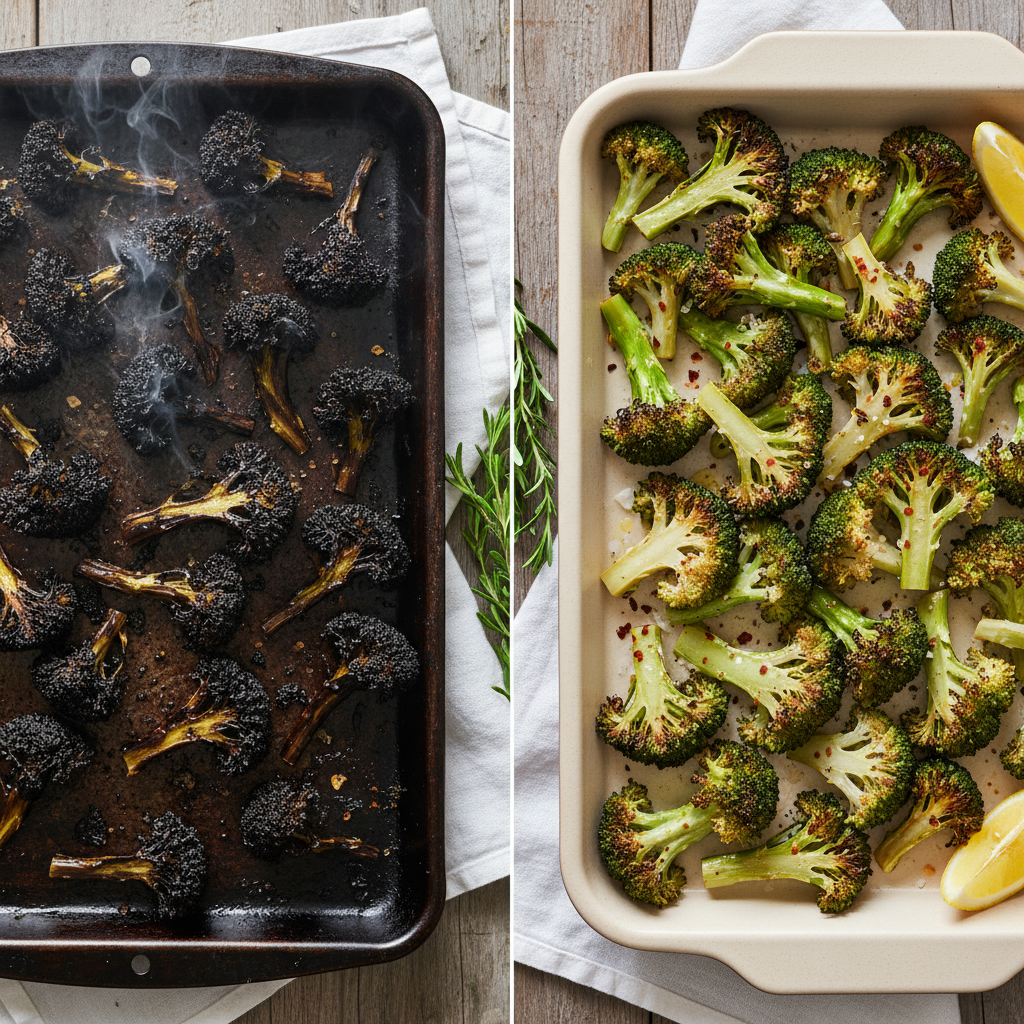
vegetables burn before they soften. There’s nothing more disappointing than pulling a tray of roasted vegetables from the oven, only to find a culinary tragedy. The edges are blackened and bitter, yet when you poke a fork in, the centers are still stubbornly raw. You followed the recipe, so what went wrong? If you’re constantly asking, “Why do my vegetables burn before they soften?” you’re not alone. This common kitchen problem usually boils down to a conflict between temperature, vegetable size, and moisture. But don't worry, the fix is easier than you think, and soon you'll be pulling out perfectly tender, beautifully caramelized veggies every single time.
vegetables burn before they soften. Want to create your own custom recipes? Try our AI-powered recipe generator for personalized cooking solutions tailored to your ingredients and preferences.
The Science Behind Why Vegetables Burn Before They Soften
vegetables burn before they soften. Vegetables burn before softening due to a mismatch between high oven temperatures causing rapid surface browning and insufficient time for heat to penetrate and tenderize the interior.
vegetables burn before they soften. To solve this problem, it helps to understand the two different chemical reactions happening in your oven. On the surface of your vegetables, you have browning; inside, you have softening. The issue arises when these two processes fall out of sync.
Browning is a combination of the Maillard reaction and caramelization. These are surface-level reactions that occur at high temperatures (typically above 300°F / 150°C), creating delicious, complex, and roasty flavors. This process is relatively fast.
Softening, on the other hand, is the slow breakdown of pectin and cellulose, the tough structural components of a plant's cell walls. This requires heat to penetrate deep into the vegetable, and it takes significantly more time than surface browning. When your oven temperature is too high, the outside of the vegetable experiences rapid browning long before the heat has had a chance to travel to the center and soften those tough cell walls. The result? A burnt exterior and a raw interior.
| Vegetable Type | Ideal Roasting Temp Range | Why It Works |
|---|---|---|
| Hard/Dense Veggies (Potatoes, Carrots, Beets, Winter Squash) | 375-400°F (190-200°C) | Lower heat allows time for the interior to soften without burning the exterior. |
| Softer Veggies (Broccoli, Asparagus, Zucchini, Bell Peppers) | 400-425°F (200-220°C) | Higher heat roasts them quickly before they turn mushy. |
5 Quick Fixes for Vegetables That Burn Before They Soften
Fix 1: Lower the Oven Temperature
The Problem: Many recipes call for a scorching hot 425°F or even 450°F oven. This intense heat is often the main reason hard vegetables burn before they soften.
The Fix: Dial it back. For most root vegetables like potatoes, carrots, and sweet potatoes, 400°F (200°C) is the sweet spot. This allows heat to penetrate and soften the inside at a pace that allows the outside to gently brown, not burn. Cook for a longer period, typically 30-45 minutes.
Pro Tip: Invest in an inexpensive oven thermometer. Most home ovens are not calibrated perfectly and can be off by 25-50 degrees.
Fix 2: Cut Vegetables Uniformly (and to the Right Size)
The Problem: A mix of giant chunks and tiny slivers on your pan means small bits burn while large chunks remain rock-hard.
The Fix: Consistency is key. Cut vegetables into uniform, bite-sized pieces, around 1 to 1.5 inches. This ensures every piece cooks at roughly the same rate. If mixing vegetables, cut dense ones like carrots smaller and quicker-cooking ones like zucchini larger.
Pro Tip: If roasting a medley of vegetables with very different cooking times, start dense vegetables first. Give them a 15-20 minute head start before adding more delicate vegetables.
Fix 3: Use the Steam-Roast Method
The Problem: A very dry oven environment accelerates surface browning, leaving no time for softening, especially for dense vegetables.
The Fix: Introduce steam at the beginning. Add a few tablespoons of water to the sheet pan or cover the pan tightly with foil for the first 15-20 minutes. This traps natural moisture, creating a steamy environment that rapidly softens them. Remove foil for the last 15-20 minutes to allow browning.
Pro Tip: If veggies aren't browning enough after uncovering, you might have the opposite problem! Learn more about how to fix that in our guide on why your vegetables won't brown.
Fix 4: Stop Crowding the Pan
The Problem: Piling too many vegetables onto a single sheet pan causes them to steam and become soggy, while others burn.
The Fix: Give them space! Arrange vegetables in a single layer with some breathing room between each piece. If you have too many vegetables for one pan, use two. This allows for proper air circulation, promoting even roasting and browning, as explained by Serious Eats.
Pro Tip: Use a heavy-duty baking sheet. Thin, flimsy pans can warp at high temperatures, leading to uneven cooking.
Fix 5: Pre-Cook Dense Vegetables
The Problem: Some vegetables, like potatoes or winter squash, are so dense that they take a very long time to soften, making them prone to burning on the outside before the inside is cooked.
The Fix: Give them a head start. You can par-boil or microwave dense vegetables before roasting. For example, boil potato chunks for 5-7 minutes until slightly tender but still firm, then drain thoroughly and roast. This significantly reduces the roasting time needed, allowing for perfect browning and tenderness.
Pro Tip: Ensure vegetables are completely dry after par-boiling. Excess moisture will prevent browning. A quick toss in a colander or pat with a paper towel will do the trick.
Additional Tips for Perfectly Roasted Vegetables
- Don't Skimp on Oil: A good coating of oil (olive oil, avocado oil) helps conduct heat, promotes browning, and prevents sticking.
- Season Generously: Salt draws out moisture, which can aid in browning, and pepper and herbs add flavor.
- Flip Halfway: Turning your vegetables halfway through cooking ensures even browning on all sides.
- Know Your Oven: Every oven is different. Get to know its hot spots and adjust accordingly.
- Food Safety First: Always ensure vegetables are cooked to a safe internal temperature, especially if you're concerned about doneness. While not typically a concern for raw vegetable safety, proper cooking ensures palatability and nutrient availability, as highlighted by the Food Standards Agency.
Common Questions About Roasting Vegetables
What temperature should I roast vegetables at to prevent burning?
For most dense vegetables, 375-400°F (190-200°C) is ideal. Softer vegetables can handle 400-425°F (200-220°C). The key is to match the temperature to the vegetable's density and desired cooking time.
Should I cover vegetables when roasting?
Covering vegetables with foil for the first 15-20 minutes can help them soften faster by trapping steam, especially for very dense vegetables. Remove the foil for the remainder of the cooking time to allow them to brown and crisp up.
Why are my roasted vegetables soggy instead of crispy?
Soggy vegetables are usually a result of overcrowding the pan, which causes them to steam rather than roast. Ensure vegetables are in a single layer with space between them. Too much moisture on the vegetables before roasting can also contribute to sogginess.
Can I mix different types of vegetables on one pan?
Yes, but be mindful of their cooking times and densities. Cut denser vegetables smaller and quicker-cooking ones larger. Alternatively, give denser vegetables a head start in the oven before adding the more delicate ones. For guidance on healthy eating, including a variety of vegetables, refer to resources like the NHS Eatwell Guide.
How do I know when my roasted vegetables are done?
They should be tender when pierced with a fork and have achieved your desired level of browning and caramelization. For root vegetables, a slightly crisp exterior with a soft, creamy interior is often the goal. Always ensure they reach a safe internal temperature for consumption, which for most vegetables is about 165°F (74°C) if you're concerned about bacterial safety, though this is more critical for meats, as outlined by the USDA FSIS.
vegetables burn before they soften is important to understand.
Final Thoughts
Now you have all the tools you need to solve this problem. Remember, the key is to be patient and follow these steps carefully. With practice, you'll master this technique and never face this issue again. If you found this guide helpful, share it with others who might benefit from these tips.
```Frequently Asked Questions
Why do my vegetables burn before they soften, even when I follow the recipe?
This often happens because of a mismatch between surface browning reactions (Maillard and caramelization) and the slower process of heat penetrating the vegetable to soften its interior. High oven temperatures can quickly brown the outside before the inside has a chance to cook through, leading to burnt exteriors and raw centers.
What's the main reason vegetables burn before they soften in the oven?
The primary reason vegetables burn before they soften is that the browning reactions on the surface occur much faster at high temperatures than the internal softening process. Your oven might be too hot, causing the exterior to blacken long before the heat has fully broken down the pectin and cellulose inside.
Are there specific types of vegetables that are more prone to burn before they soften?
Yes, denser vegetables like potatoes, carrots, or winter squash are more prone to burning before softening because they require more time for heat to penetrate to their core. Lighter, quicker-cooking vegetables generally soften more evenly.
How can I prevent my vegetables from burning before they soften without drastically lowering the temperature?
Consider cutting your vegetables into smaller, more uniform pieces to promote even cooking. You can also cover the baking tray with foil for part of the cooking time to trap moisture and help soften the interior before uncovering to allow for browning.
What's the "science" behind why vegetables burn before they soften, and how does understanding it help me?
Understanding that browning (Maillard reaction, caramelization) is a fast, surface-level process, while softening is a slower, deeper structural breakdown (pectin and cellulose), helps you adjust cooking methods. You can then ensure enough time for the interior to cook without incinerating the exterior, by managing temperature and cooking duration.