Chicken Leaks White Stuff? How to Fix it & Get a Perfect Sear
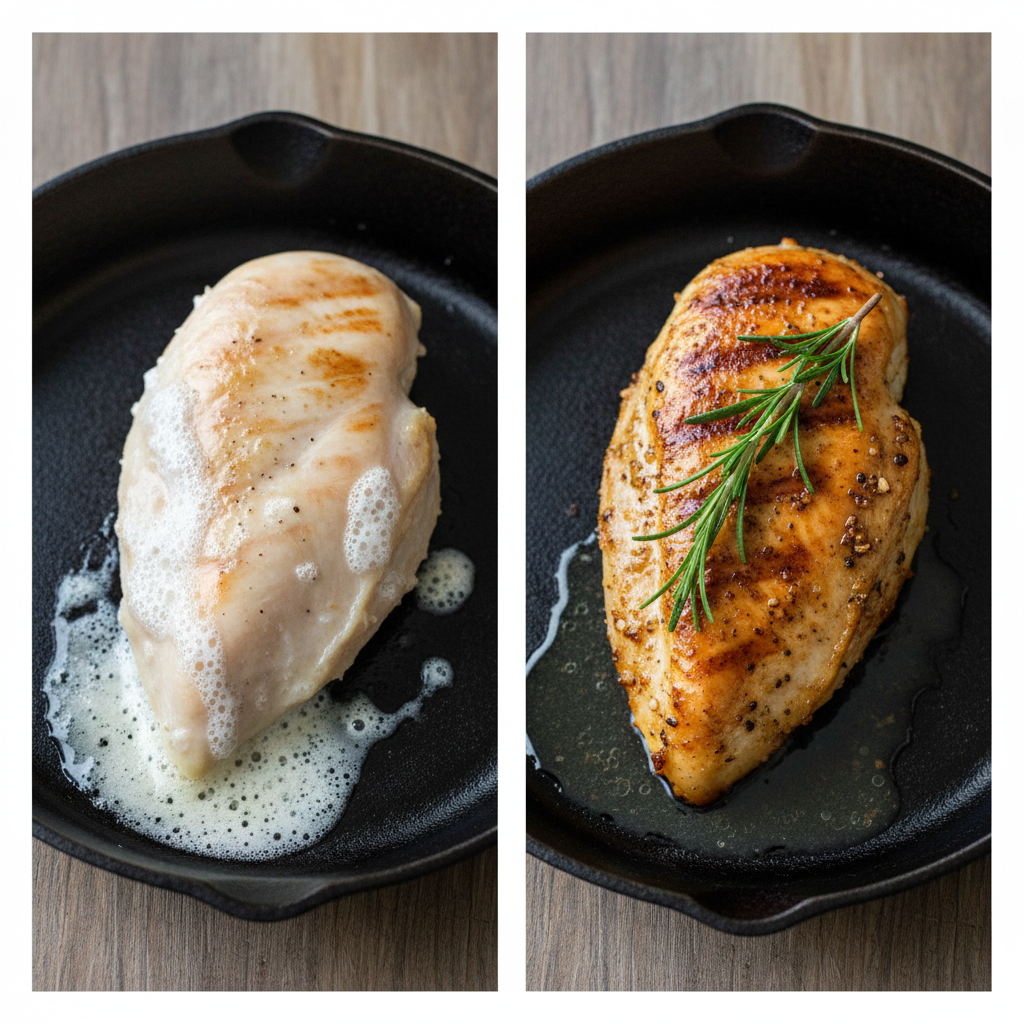
You’re in the zone. You’ve got a beautiful chicken breast sizzling away in a hot pan, destined for greatness. You’re dreaming of that perfect golden-brown crust, but then you see it: weird, white, gooey stuff starting to ooze out the sides. What is that?! It can be a little off-putting, but don’t worry, you haven't ruined dinner. So, why does my chicken leak white stuff when cooking? In short, it’s a harmless protein called albumin that gets squeezed out when the chicken is cooked too aggressively or comes from a very wet brine. The good news is that it’s completely safe to eat and totally preventable with a few simple tricks!
Want to create your own custom recipes? Try our AI-powered recipe generator for personalized cooking solutions tailored to your ingredients and preferences.
The Science Behind the White Stuff on Your Chicken
That unappealing white gunk has a name: albumin. It’s a water-soluble protein found naturally in the muscle fibers of chicken (and other meats, like salmon). When the chicken is raw, the albumin is a clear, viscous liquid mixed in with the rest of the meat's moisture. You don't even know it's there.
However, as the chicken heats up, two things happen. First, the muscle fibers contract, just like when you flex your bicep. This contraction squeezes the moisture out of the muscle, and the albumin comes along for the ride. Second, as this protein-rich liquid seeps onto the hot surface of the chicken, the heat causes the albumin to denature and coagulate. This process turns it from a clear liquid into the opaque, semi-solid white stuff you see.
While a little bit is normal, excessive amounts of this white leakage often indicate that the chicken is being cooked too quickly over very high heat. This causes a more aggressive muscle contraction, forcing out more liquid. It can also be more prominent in chicken that has been “plumped” or injected with a salt solution, which adds extra water to the meat.
5 Easy Ways to Stop Chicken from Leaking White Stuff
Seeing that white stuff appear is frustrating, but you can easily prevent it. Here are our go-to fixes for achieving a clean, beautiful sear every time.
1. Temper Your Heat
The Problem: Blasting your chicken with super-high heat from start to finish is the number one cause of excessive albumin leakage. The intense, sudden heat makes the muscle fibers seize up violently, squeezing out a ton of that protein-rich liquid.
The Fix: Use a two-stage heating process. Start your chicken in a preheated pan over medium-high heat to get a quick, golden-brown sear (about 2-3 minutes per side). Then, immediately reduce the heat to medium or medium-low to let it finish cooking gently. This allows the inside to cook through without shocking the exterior muscles into overdrive.
Pro Tip: Invest in a good quality, heavy-bottomed skillet (like cast iron or stainless steel). These pans retain and distribute heat more evenly, which helps prevent the hot spots that can cause parts of your chicken to overcook and leak.
2. Give It Some Space (Don't Crowd the Pan)
The Problem: When you pack too much chicken into a pan, two things happen. First, the overall temperature of the pan plummets. Second, the moisture releasing from all those pieces gets trapped, effectively steaming the chicken instead of searing it. This steamy, lower-temperature environment coaxes out albumin over a longer period.
The Fix: Cook in batches! Always leave at least an inch of space between each piece of chicken. This ensures the pan stays hot enough to create a sear and allows moisture to evaporate quickly, giving you a crispy crust instead of a pale, leaky mess.
Pro Tip: Before the chicken even hits the pan, pat it completely dry with paper towels. A dry surface is essential for a fast, effective sear, which is your first line of defense against the dreaded white stuff.
3. Let It Rest... Before Cooking!
The Problem: Taking ice-cold chicken straight from the fridge and throwing it into a hot pan creates a temperature shock. The exterior starts cooking aggressively while the inside is still frigid, leading to uneven cooking and a forceful contraction of the surface muscles.
The Fix: Let your chicken sit at room temperature for 20-30 minutes before you plan to cook it. This small step allows the meat to warm up slightly, so the temperature difference between the chicken and the pan isn't as extreme. The result is a more relaxed, even cooking process.
Pro Tip: Bringing meat to room temperature before cooking is a fantastic habit to get into. It not only reduces albumin leakage but also helps you avoid the common problem of rubbery or tough chicken because it cooks so much more evenly.
4. Try a Dry Brine
The Problem: Many chickens from the grocery store are packaged in or injected with a salt-and-water solution. While this is meant to add flavor and moisture, the excess water can contribute to more leakage during cooking. A traditional wet brine (soaking in salt water) can have the same effect.
The Fix: Switch to a dry brine. Simply salt your chicken (about 1/2 teaspoon of kosher salt per pound) and let it rest on a rack in the refrigerator for at least 4 hours, or even overnight. The salt will penetrate the meat, seasoning it and helping it retain its own natural juices, while the cold air dries out the surface for a perfect crust.
Pro Tip: A dry brine is one of the best secrets to avoiding dry, disappointing chicken. It seasons the meat from the inside out and guarantees a juicy result without adding extra water that needs to be cooked off.
5. Choose Air-Chilled Chicken
The Problem: The majority of chicken sold in the US is water-chilled, meaning the birds are cooled in a large vat of cold water after processing. This process can cause the chicken to absorb a significant amount of water (up to 12% of its weight!). This extra water is easily forced out during cooking, bringing albumin with it.
The Fix: Look for chicken labeled “air-chilled.” As explained by Serious Eats, these chickens are cooled by passing them through chambers of cold, purified air. This method doesn't add any water, resulting in a purer chicken flavor and much less weeping during cooking. It's often a little more expensive, but the difference in quality is noticeable.
Pro Tip: Because air-chilled chicken has less water, the meat is more concentrated in flavor. It also roasts and sears beautifully, resulting in exceptionally crispy skin.
How to Prevent Your Chicken from Leaking White Stuff in the Future
Tired of battling the white ooze? Keep these key prevention tips in mind every time you cook chicken:
- Always Pat Dry: Use paper towels to get the surface of your chicken as dry as possible before cooking.
- Use Moderate Heat: Avoid the temptation to cook on the highest heat setting. Medium-high for a sear and medium for the cook is the perfect combo.
- Temper Your Meat: Let chicken rest on the counter for 20-30 minutes to take the chill off before it hits the hot pan.
- Don't Crowd the Pan: Give each piece of chicken its own personal space to ensure it sears, not steams.
- Buy Better When You Can: Opt for air-chilled chicken to avoid the excess water common in standard water-chilled poultry.
- Dry Brine is Your Friend: Seasoning with salt and letting the chicken rest in the fridge yields a drier surface and juicier meat.
Frequently Asked Questions
Is the white stuff that comes out of chicken safe to eat?
Yes, absolutely! The white stuff is just a cooked protein called albumin. While it might not look very appetizing, it is completely harmless and safe to eat. You can simply scrape it off the chicken or wipe it out of the pan if you prefer.
Does the white stuff mean my chicken is low quality?
Not necessarily. While lower-quality chicken that has been heavily plumped with water solutions will leak more, even the highest-quality, organic, air-chilled chicken will release some albumin if cooked too aggressively. It's more often a sign of cooking technique than poor quality, though choosing air-chilled chicken can certainly help minimize it.
Why does my baked chicken have white stuff on it?
The same principle applies to baked chicken. If you place chicken in a very hot oven (e.g., above 425°F / 220°C), the intense heat can cause the muscle fibers to contract quickly and push out albumin. This is especially common in recipes where chicken is baked in a sauce or crowded into a small baking dish, creating a steamy environment.
Is the white stuff on chicken the same as the white stuff on salmon?
Yes, it is exactly the same thing! Salmon is also famous for leaking white albumin, especially when it's cooked at high temperatures. The same tips apply: pat it dry, don't use excessively high heat, and don't overcook it to keep the albumin to a minimum.
Complete Chicken Troubleshooting Guide
This is just one of many common chicken cooking issues. For a comprehensive guide covering all chicken problems and solutions, check out our complete Complete Chicken Troubleshooting Guide.
Now you know exactly what that white stuff is and how to prevent it. Go forth and sear with confidence! Happy cooking!