
Spongy or Rubbery Chicken: Safe to Eat? The 74C Test
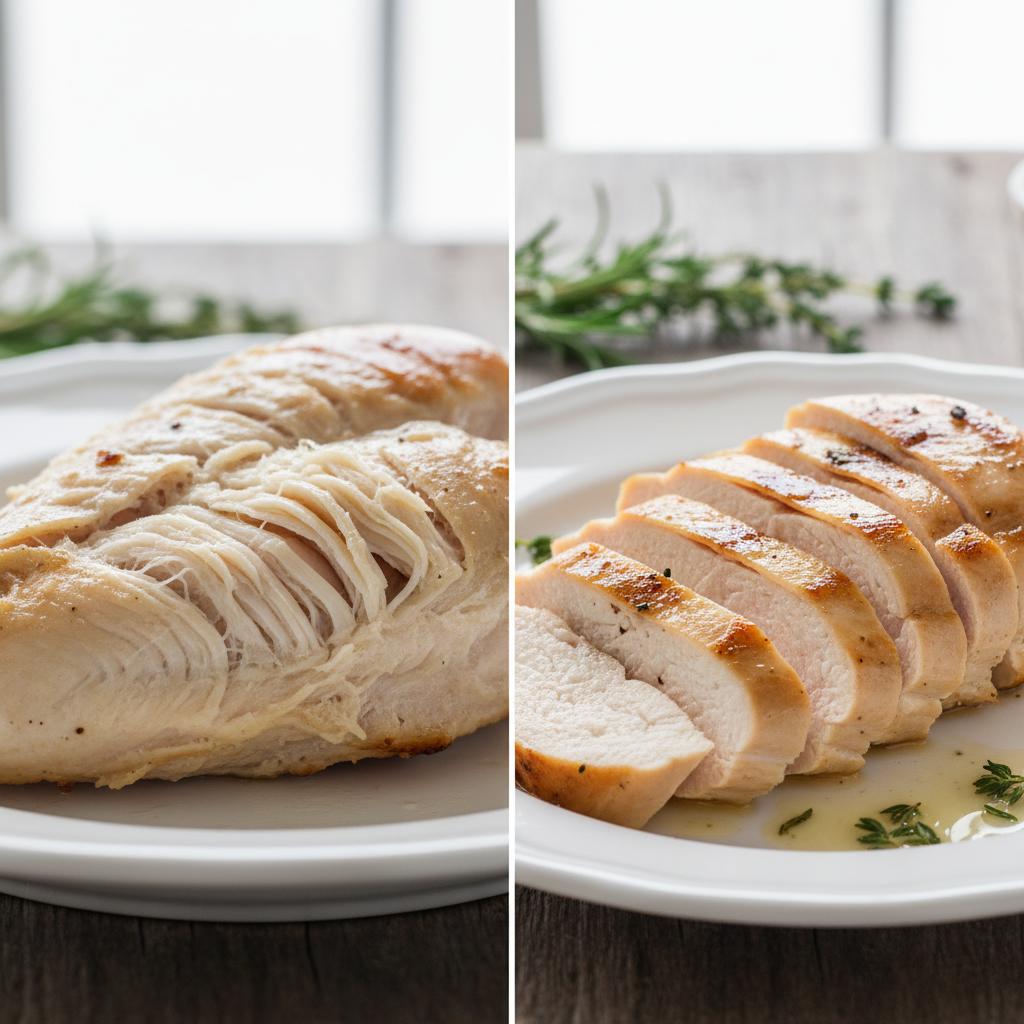
why does my chicken have a strange texture. There’s nothing more disappointing than pulling a beautifully golden-brown chicken breast from the oven, anticipating a juicy, tender meal, only to take a bite and find… a weird texture. If you're asking yourself why does my chicken have a strange texture, it's often due to the chicken's quality, your cooking method, or improper thawing. This frustrating issue can stem from a few key culprits, but your perfect chicken dinner is not a lost cause! We’re here to break down the science and give you the fixes you need.
why does my chicken have a strange texture. Want to create your own custom recipes? Try our AI-powered recipe generator for personalized cooking solutions tailored to your ingredients and preferences.
The Science Behind Strange Chicken Texture
Source: Food Standards Agency cooking guidance.
why does my chicken have a strange texture. Chicken meat is composed of protein fibers filled with water. When heated, these proteins denature and contract, squeezing out moisture. Too much heat for too long causes excessive contraction, leading to dry, stringy, and tough results. Insufficient heat means proteins don't contract enough, leaving meat soft and squishy.
why does my chicken have a strange texture. A common issue is "woody breast syndrome," a muscle condition in broiler chickens. This causes muscle fibers to become hard and fibrous, creating a tough texture even when cooked correctly. This issue originates at the farm, but can be managed in the kitchen.
| Chicken Cut | Target Internal Temp (USDA Safe) | Ideal Texture Temp |
|---|---|---|
| Breast, Tenders (White Meat) | 165°F (74°C) | 160-165°F (71-74°C) |
| Thighs, Wings, Legs (Dark Meat) | 165°F (74°C) | 175-185°F (79-85°C) |
7 Quick Fixes for When Your Chicken Has a Strange Texture
why does my chicken have a strange texture. Here’s how to troubleshoot common chicken texture problems.
1. The Culprit: Woody Breast Syndrome
The Problem: Cooked chicken feels hard, fibrous, or crunchy. It's tough to chew. Raw, the breast may feel unusually firm.
The Fix: Change the meat's form. Slice thinly against the grain for stir-fries, or pulse in a food processor for ground chicken (meatballs, burgers, tacos). Grinding breaks tough fibers.
Pro Tip: An acidic or enzymatic marinade (pineapple juice, yogurt, buttermilk) can help break down some fibrousness if cooking whole.
2. The Culprit: Overcooking
The Problem: Chicken is stringy, dry, and often rubbery and tough. This occurs when internal temperature exceeds 165°F (74°C), causing muscle fibers to seize and expel juices.
The Fix: Shred the meat, place in a saucepan with flavorful liquid (BBQ sauce, broth), and simmer gently. This rehydrates the meat for sandwiches or tacos.
Pro Tip: Use an instant-read thermometer to prevent overcooking.
3. The Culprit: Undercooking
The Problem: Texture is soft, squishy, and gelatinous, indicating it hasn't reached 165°F (74°C).
The Fix: Return to heat until a thermometer confirms safe temperature. If sliced, a quick pan-sear will finish it.
Pro Tip: Always let chicken rest for 5-10 minutes after cooking. Carryover cooking raises internal temperature and redistributes juices.
4. The Culprit: Improper Thawing
The Problem: Spongy, watery, or mushy spots, often from thawing too quickly (microwave, hot water), which partially cooks the exterior.
The Fix: Prevention is key. Thaw chicken slowly and safely in the refrigerator overnight for even thawing, as recommended by the USDA Food Safety and Inspection Service.
Pro Tip: For quick thawing, use a bowl of cold water, changing water every 30 minutes. Never use hot water.
5. The Culprit: Brining for Too Long
The Problem: Strangely smooth, almost ham-like or mushy texture. Over-brining causes proteins to break down excessively.
The Fix: This is irreversible. Use over-brined chicken in dishes where texture is less critical, like creamy soup, shredded chicken dip, or chicken salad with crunchy veggies.
Pro Tip: For boneless, skinless breasts, 30 minutes to 1 hour of brining is sufficient. For a whole chicken, 8-12 hours is the maximum.
6. The Culprit: "White Striping"
The Problem: Visible thin white lines on raw chicken, indicating higher fat content. This can lead to a tougher or stringier bite.
The Fix: Treat similarly to woody breast. Best for grinding, shredding, or slow-cooking where texture is broken down or masked.
Pro Tip: This chicken is flavorful due to higher fat. Consider it for chicken sausage or burgers.
7. The Culprit: Cooking Cold Chicken
The Problem: Exterior becomes rubbery and overcooked before the inside cooks through, leading to uneven cooking and strange textures.
The Fix: Let raw chicken sit at room temperature for 20-30 minutes before cooking. This 'tempers' the meat, allowing for more even cooking.
Pro Tip: This simple step ensures a perfect sear on chicken breasts and thighs without overcooking the exterior.
How to Prevent a Strange Chicken Texture
why does my chicken have a strange texture. Prevent strange chicken texture with these simple habits.
- Buy Mindfully: Choose high-quality, air-chilled chicken. Gently press on packaged breasts; if rock-hard, it may be woody.
- Use a Thermometer: An instant-read thermometer ensures perfect temperature every time, reaching the Food Standards Agency recommended safe internal temperature.
- Thaw Properly: Always thaw chicken safely in the refrigerator, as advised by the Food Standards Agency.
why does my chicken have a strange texture is important to understand.
Conclusion
Now you have all the tools you need to solve this problem. Remember, the key is to be patient and follow these steps carefully. With practice, you'll master this technique and never face this issue again. If you found this guide helpful, share it with others who might benefit from these tips.
```Frequently Asked Questions
Why does my chicken have a strange texture even after I've cooked it correctly?
Even with proper cooking, a strange texture like hardness or fibrousness can be due to "woody breast syndrome." This is a muscle condition in broiler chickens that originates at the farm, making the meat tough regardless of your cooking skill.
What can I do if my chicken has a strange, hard, or fibrous texture (woody breast)?
If you suspect woody breast syndrome, change the form of the meat. Slice it thinly against the grain for stir-fries, or pulse it in a food processor to make ground chicken for meatballs, burgers, or tacos, which helps break down tough fibers.
Why does my chicken sometimes turn out spongy or squishy?
A spongy or squishy texture often means the chicken wasn't heated enough. Proteins need to contract sufficiently during cooking to create a firm, desirable texture; insufficient heat leaves the meat soft and undercooked.
What is the ideal internal temperature to prevent my chicken from having a strange texture?
For juicy, tender white meat (breast, tenders), aim for 160-165°F (71-74°C). For richer dark meat (thighs, wings, legs), a slightly higher temperature of 175-185°F (79-85°C) will yield the best texture.
Can marinades help if my chicken has a strange, tough texture?
Yes, an acidic or enzymatic marinade can definitely help tenderize tough chicken. Ingredients like pineapple juice, yogurt, or buttermilk contain enzymes or acids that break down protein fibers, improving the texture before cooking.
```