Chicken Tastes Metallic or Sour? 5 Quick Fixes & Safety Tips
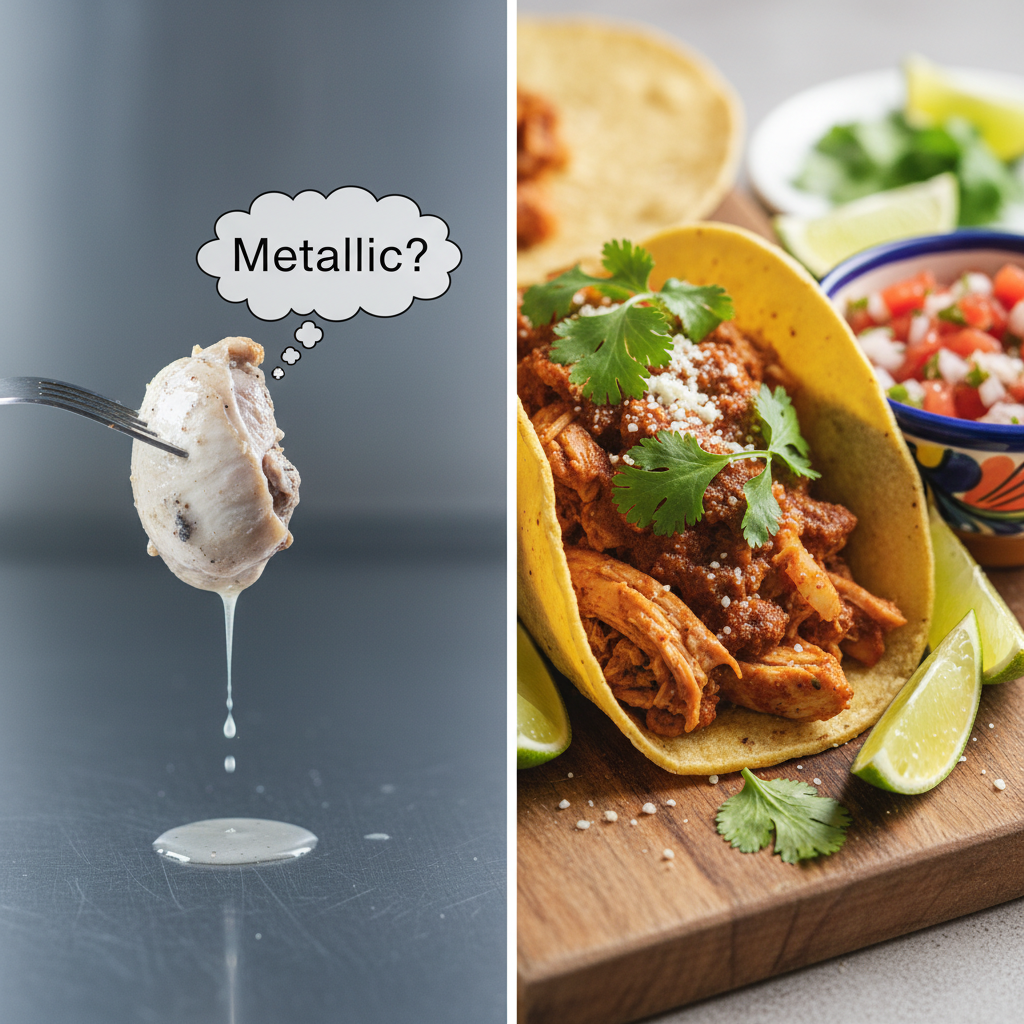
chicken tastes metallic or sour. There’s nothing more deflating than pulling a beautifully roasted chicken from the oven, carving it up, and taking that first excited bite… only to be met with a bizarre, unpleasant metallic or sour taste. The reason your chicken tastes metallic or sour usually boils down to chemical reactions from oxidation, minor bacterial activity, or a reaction with your cookware.
chicken tastes metallic or sour. Want to create your own custom recipes? Try our AI-powered recipe generator for personalized cooking solutions tailored to your ingredients and preferences.
The Science Behind Why Your Chicken Tastes Metallic or Sour
chicken tastes metallic or sour. That off-putting taste is a result of chemical processes. The primary cause is lipid oxidation, the breakdown of fats in chicken when exposed to oxygen. This creates chemical compounds (aldehydes and ketones) perceived as stale, cardboard-like, or metallic. This is common in leftover chicken, known as "warmed-over flavor" (WOF).
chicken tastes metallic or sour. Bacterial growth is another factor. As chicken nears its use-by date, bacteria multiply and produce acidic byproducts, leading to a sour smell and taste. This indicates spoilage, and the chicken should be discarded, as advised by the Food Standards Agency.
chicken tastes metallic or sour. Finally, the issue could be external. Cooking with acidic ingredients in certain pans can cause a chemical reaction. Cookware made from aluminum, copper, or unseasoned cast iron is "reactive" and can leach metal ions into food, giving it a sharp, metallic tang. As explained by experts at Serious Eats, choosing the right pan is crucial.
5 Quick Fixes When Your Chicken Tastes Metallic or Sour
1. The Rinse and Dry Rescue
The Problem: The chicken's surface has developed minor off-flavors from packaging or early oxidation. The meat inside is good, but the outside is problematic.
The Fix: Rinse the chicken under cold water, then pat it completely dry with paper towels. Removing surface moisture and compounds causing the taste makes a difference. A dry surface also ensures a good sear and prevents a steamed, rubbery texture.
Pro Tip: After drying, be generous with seasonings. A flavorful spice rub adheres better to a dry surface and creates a powerful crust that masks subtle off-notes.
2. The Acidic Counter-Attack
The Problem: The chicken has a mild sourness or metallic hint, not strong enough for full spoilage, but not enjoyable.
The Fix: Add fresh lemon or lime juice, a splash of vinegar, or serve with a tangy tomato sauce. The bright acidity can overpower and neutralize undesirable sour notes. (Disclaimer: For mild cases only. If the chicken smells funky or feels slimy, discard it.)
Pro Tip: Shred chicken and toss with a bright, acidic vinaigrette for a quick chicken salad. The dressing transforms the flavor.
3. The Cookware Check
The Problem: You marinated chicken in a citrus or vinegar-based marinade and cooked it in a reactive pan (aluminum or unseasoned cast iron), resulting in a metallic taste.
The Fix: Once metal leaches into food, removing the taste is nearly impossible. The real fix is preventative. For acidic ingredients, use non-reactive cookware like stainless steel, glass, ceramic, or enamel-coated cast iron.
Pro Tip: Designate a non-reactive skillet for acidic cooking. A quality stainless-steel pan is a versatile and valuable kitchen tool.
4. The "Warmed-Over Flavor" Solution
The Problem: Leftover chicken tastes metallic and stale the next day, even if fresh it was delicious. This is classic "warmed-over flavor" from lipid oxidation.
The Fix: When reheating, incorporate antioxidant-rich ingredients to neutralize oxidative compounds. Sauté finely chopped garlic, onions, or fresh herbs like rosemary and sage with the chicken. Their fresh, aromatic flavors combat the stale taste.
Pro Tip: To prevent WOF, cool cooked chicken quickly before refrigerating. Store it in an airtight container to minimize oxygen exposure, which fuels oxidation. This also prevents it from becoming dry and tough.
5. Disguise with a Powerful Sauce
The Problem: The chicken is safe but has a noticeable metallic taste that needs a total flavor makeover.
The Fix: Shred or chop the chicken and smother it in a bold, flavorful sauce. Tangy BBQ sauce, spicy buffalo sauce, creamy satay sauce, or rich curry sauce will mask off-flavors. The chicken becomes a vehicle for the delicious sauce.
Pro Tip: This is ideal for salvaging meal-prepped chicken breasts with warmed-over flavor. Tacos, enchiladas, and saucy pasta dishes are perfect applications.
How to Prevent Your Chicken from Tasting Metallic or Sour
- Buy Fresh, Smell Fresh: Check the package date. Chicken should be plump, pinkish, and have a neutral smell. If it smells sour, fishy, or like ammonia, do not buy it, as this is a sign of spoilage according to USDA guidelines. ```
Frequently Asked Questions
Why does my chicken taste metallic or sour even right after cooking?
If your chicken tastes metallic or sour immediately after cooking, it could be due to a reaction with your cookware. Reactive pans like aluminum, copper, or unseasoned cast iron can leach metal ions into acidic foods, imparting a sharp, metallic tang.
Can minor bacterial activity make chicken taste metallic or sour, and is it safe to eat?
Yes, minor bacterial activity can cause chicken to taste sour due to acidic byproducts. While not always immediately dangerous, a sour taste indicates spoilage is starting, and the Food Standards Agency advises discarding such chicken to ensure safety.
What can I do if my leftover chicken tastes metallic or sour (warmed-over flavor)?
The metallic or sour taste in leftover chicken, known as "warmed-over flavor," is often due to lipid oxidation. Rinsing the chicken under cold water and patting it dry before reheating can help alleviate surface off-flavors, and then using a flavorful spice rub can mask remaining off-notes.
Which specific cookware should I avoid if my chicken tastes metallic or sour after cooking?
To prevent your chicken from tasting metallic or sour, avoid cooking it in reactive cookware made from aluminum, copper, or unseasoned cast iron, especially when using acidic ingredients. Opt for non-reactive materials like stainless steel, glass, or enameled cast iron instead.
Is there a quick fix if the problem is just the surface of the chicken tastes metallic or sour?
If only the surface of your chicken tastes metallic or sour, a quick fix is to rinse it thoroughly under cold water and then pat it completely dry. This removes surface compounds and moisture that contribute to the off-flavor, preparing it for better seasoning adhesion.