
Rice Cooks Unevenly? 7 Easy Fixes for Perfect Fluffy Rice
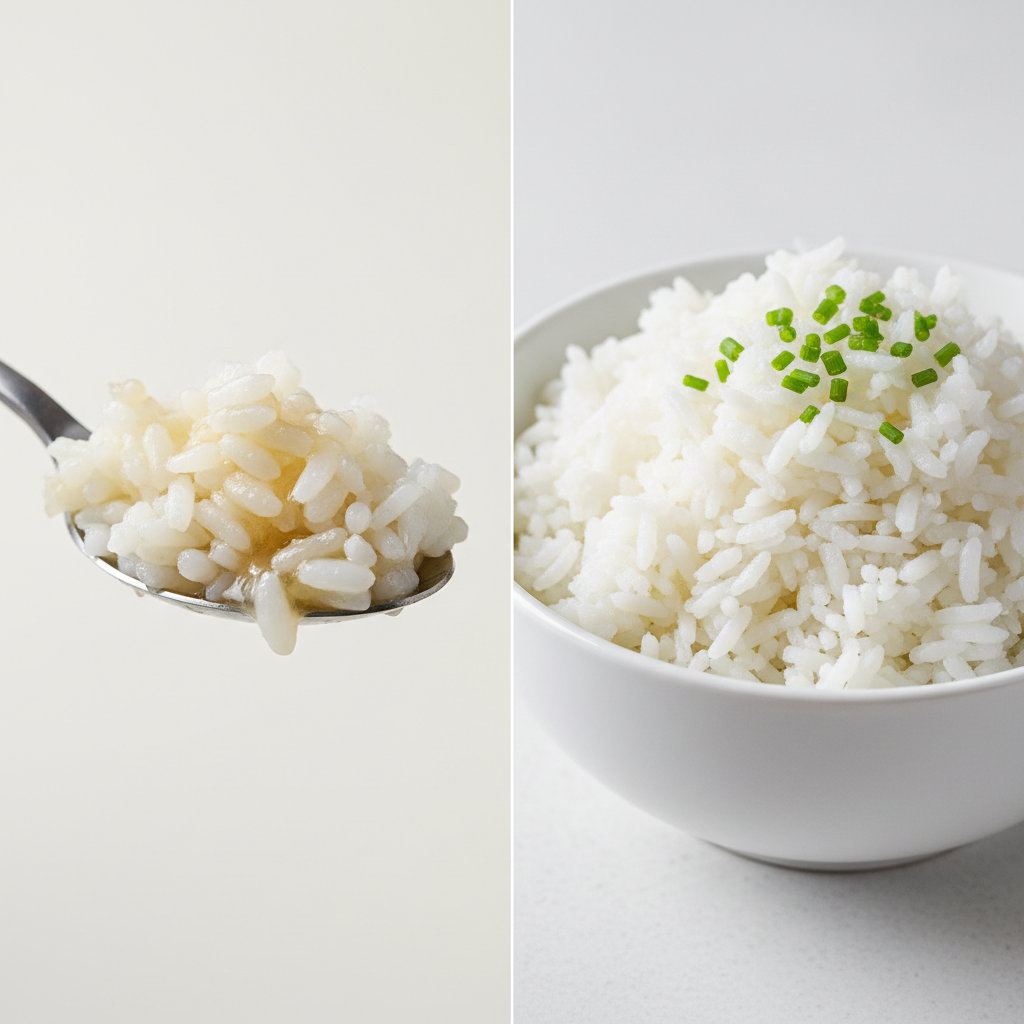
Why Does My Rice Cook Unevenly? 7 Expert Fixes
rice cooks unevenly. Unevenly cooked rice is primarily caused by incorrect water ratios, inconsistent heat distribution, or steam escaping during the cooking process.
rice cooks unevenly. We've all been there. You lift the lid off your pot, expecting a cloud of steam to reveal perfectly fluffy, separate grains of rice. Instead, you're greeted by a culinary tragedy: some grains are hard and crunchy, while the bottom layer is a goopy, overcooked mess. It’s one of the most common kitchen frustrations! So, why does my rice cook unevenly? It almost always comes down to a few key factors: incorrect water ratios, uneven heat, or letting precious steam escape. But don't worry, these are all easy problems to solve.
rice cooks unevenly. Want to create your own custom recipes? Try our AI-powered recipe generator for personalized cooking solutions tailored to your ingredients and preferences.
The Science Behind Unevenly Cooked Rice
rice cooks unevenly. Cooking rice involves starch gelatinization. Starch granules absorb hot water, swell, and soften. For perfect results, every grain needs equal access to water and heat.
rice cooks unevenly. When rice cooks unevenly, this access is disrupted:
- Heat Gradient Issues: Thin-bottomed cookware creates hot spots, scorching bottom grains while top grains remain undercooked.
- Poor Steam Circulation: Steam cooks rice from all sides. If steam escapes, the top layer of rice dries out and remains hard.
rice cooks unevenly. Uneven cooking results from poor energy and moisture distribution, which can be controlled with proper technique.
7 Quick Fixes for When Your Rice Cooks Unevenly
These fixes address the root causes of uneven cooking for consistently perfect rice.
1. Perfect Your Water-to-Rice Ratio
The Problem: Incorrect water ratios are the primary cause. Too much water leads to mush, while too little leaves grains hard.
The Fix: Start with a 1:1.5 rice-to-water ratio for most long-grain white rice, and 1:2 for brown rice. Measure accurately. Note what works best for your specific rice, stove, and pot.
Pro Tip: Always check package instructions, as specialty rice may have specific water requirements, often closer to 1:1.25.
2. Choose the Right Pot
The Problem: Thin pots distribute heat unevenly, causing hot spots and scorching.
The Fix: Use a heavy-bottomed saucepan, Dutch oven, or saucier. Their thick bases distribute heat evenly, ensuring a consistent simmer. The pot should be sized so rice and water fill about one-third of the pot.
Pro Tip: A pot that's too wide will cause water to evaporate too quickly.
3. Don't Peek!
The Problem: Lifting the lid releases steam, dropping temperature and pressure, and stalling cooking for the top layer.
The Fix: Once rice boils and is reduced to a simmer, keep the lid on until the timer sounds. A tight-fitting glass lid helps. For an extra-tight seal, place a clean kitchen towel or parchment paper under the lid.
4. Master Your Heat Management
The Problem: Too-high heat boils water away too fast; too-low heat prevents steam generation.
The Fix: Use a two-stage heat method. Bring rice and water to a full boil over medium-high heat, then immediately reduce to the lowest possible setting for a gentle simmer.
Pro Tip: A heat diffuser can help maintain low, even heat on gas or electric stoves.
5. Don't Skip the Rest
The Problem: Fluffing rice immediately after cooking results in wet bottoms and dry tops due to uneven moisture distribution.
The Fix: After cooking, remove the pot from the burner and let it stand, covered, for 10-15 minutes. Residual steam finishes cooking and equalizes moisture. After resting, gently fluff with a fork or rice paddle.
6. Rinse Your Rice
The Problem: Excess surface starch creates clumps, preventing water and steam circulation and leading to undercooked pockets.
The Fix: Rinse measured rice in a fine-mesh sieve under cold running water until the water runs clear. This removes powdery starch for separate, fluffy grains and prevents rice from sticking together.
Pro Tip: Do not rinse Arborio or paella rice, as their starch is desired for creamy textures.
7. Calibrate Your Rice Cooker
The Problem: Malfunctioning rice cookers or incorrect settings can cause uneven cooking.
The Fix: Ensure the inner bowl and heating plate are clean. Use the cooker's calibrated measuring cup and the correct program (e.g., 'White Rice', 'Brown Rice').
Pro Tip: If issues persist, the sensors may be failing. Consider consulting reviews for a new model.
How to Prevent Unevenly Cooked Rice
Follow this checklist for consistent success and to prevent unevenly cooked rice:
- Measure, Don't Guess: Use measuring cups for precise rice and water ratios.
- Rinse It Right: Rinse rice (unless for risotto) until water runs clear to remove excess starch.
- Use a Heavy Pot: A heavy-bottomed saucepan with a tight-fitting lid ensures even heat.
- Simmer Low and Slow: After boiling, reduce heat to the lowest setting.
- Patience is a Virtue: Do not lift the lid during simmering; let steam work.
- Let It Rest: Always rest rice off heat for at least 10 minutes before fluffing. This also helps if your rice is still crunchy.
Frequently Asked Questions
Why is the top layer of my rice hard and the bottom mushy?
This common issue results from lifting the lid, a poor seal, or skipping the resting period. The bottom overcooks in water, while the top lacks steam and dries out. Keep the lid tight and rest the rice for 10-15 minutes to redistribute moisture.
Can I fix unevenly cooked rice after it's done?
Yes, sometimes. If you have mixed cooked and crunchy grains, sprinkle 2-3 tablespoons of water over the rice. Cover and return the pot to very low heat for 5-10 minutes. This added steam can help finish cooking undercooked grains.
Does the type of rice affect how evenly it cooks?
Absolutely. Different rice varieties have unique starch contents and grain structures, requiring specific water-to-rice ratios and cooking times. Brown rice needs more water and longer cooking than white jasmine rice due to its bran layer. Always check package instructions, as using a universal method will likely result in your rice cooking unevenly.
Complete Rice Troubleshooting Guide
This is just one of many common rice cooking issues