
Rice Smells Off? How to Tell if It's Spoiled + 5 Fixes
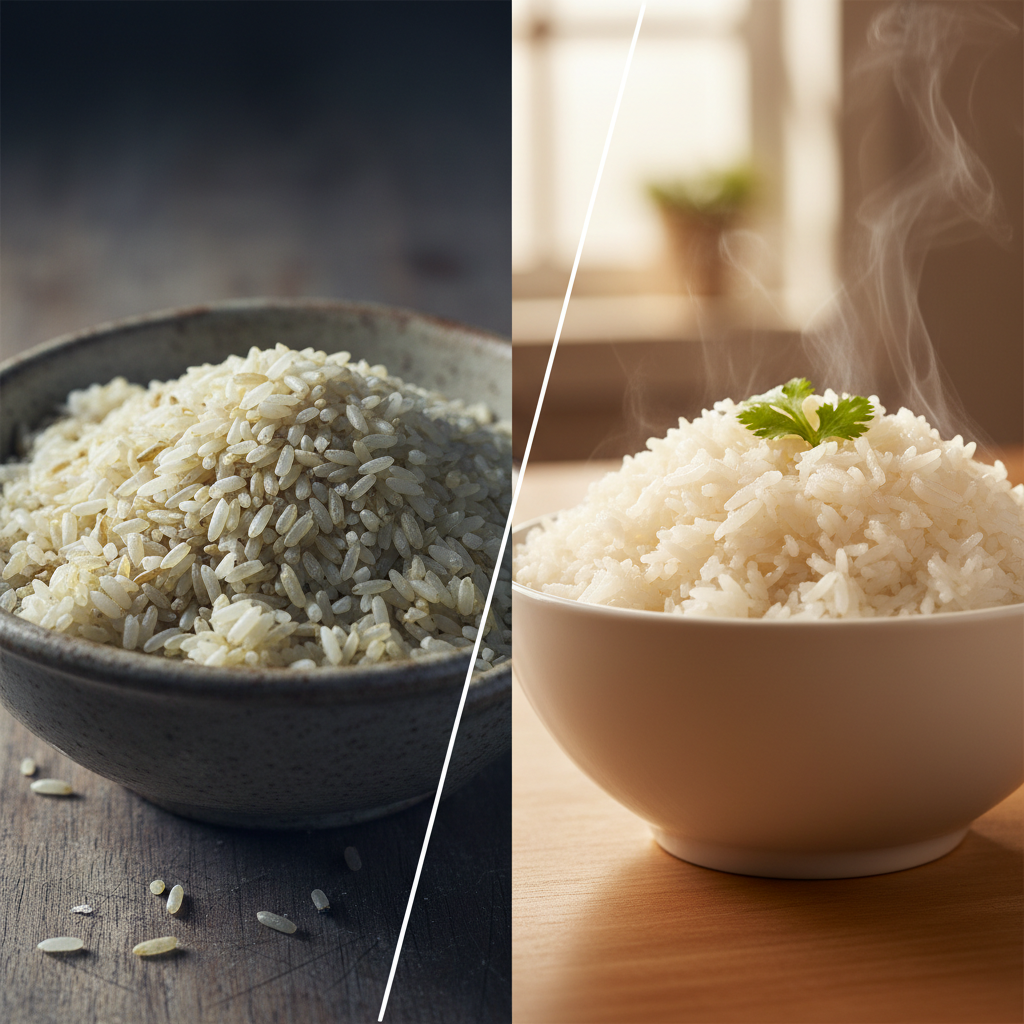
rice smells strange. There’s nothing more disappointing than lifting the lid on a pot of freshly cooked rice, only to be met with a funky, off-putting smell. If your rice smells strange, it's usually due to stale grains, improper storage, or bacterial growth.
rice smells strange. Want to create your own custom recipes? Try our AI-powered recipe generator for personalized cooking solutions tailored to your ingredients and preferences.
The Science Behind Why Your Rice Smells Strange
rice smells strange. A musty or paint-like smell in uncooked rice often indicates lipid oxidation, or rancidity. All rice, especially brown rice with its oil-rich bran, contains natural fats. Exposure to air, light, and heat breaks down these fats, creating aldehydes and ketones that cause a stale odor.
rice smells strange. A sour smell, particularly in cooked rice, points to microbial activity. Uncooked rice contains Bacillus cereus spores. While cooking kills active bacteria, spores can survive. If cooked rice remains in the 'danger zone' (40°F - 140°F or 4°C - 60°C) too long, spores germinate and multiply, producing toxins and a sour smell. This is a serious food safety concern, as highlighted by the UK's National Health Service.
5 Common Causes for Why Your Rice Smells Strange (And How to Fix Them)
Problem: Stale or Rancid Rice
The Problem: Rice stored for extended periods can develop oxidized natural oils, leading to a smell like old crayons or dusty paint. This is more common in brown, black, and red rice due to higher oil content.
The Fix: Rancidity cannot be reversed. Rinse the rice thoroughly. When cooking, add strong aromatics like bay leaf, cardamom pods, star anise, or lemon peel to the water to mask the odor.
Pro Tip: Use slightly stale rice in dishes with bold flavors, such as spicy curry or heavily seasoned fried rice, to overpower subtle rancid notes.
Problem: Bacterial Growth (Sour Smell)
The Problem: Cooked rice left at room temperature for over an hour or two allows Bacillus cereus to multiply, producing toxins and a sour smell.
The Fix: Discard immediately. Eating sour-smelling rice can cause food poisoning. Reheating does not destroy heat-stable toxins. Do not risk it.
Pro Tip: To prevent this, cool leftover rice quickly. Spread it thinly on a baking sheet and refrigerate within an hour. Once chilled, transfer to an airtight container. It keeps for 3-4 days, as recommended by the Food Standards Agency.
Problem: Improper Storage (Musty Smell)
The Problem: Rice absorbs odors and moisture. Storing it in original packaging near strong-smelling foods or in humid conditions can lead to musty or mildewy scents.
The Fix: Air out uncooked rice on a baking sheet for an hour. Rinse thoroughly before cooking. If the smell persists, it may be unusable.
Pro Tip: Always transfer rice to an airtight container (glass or hard plastic) to prevent moisture and odor absorption.
Problem: Unrinsed Starch and Impurities
The Problem: A pasty, starchy, or dusty smell comes from excess starch and processing dust coating the grains. This also causes rice to stick together.
The Fix: Rinse your rice. As recommended by Serious Eats, place rice in a bowl, cover with cold water, and swish. Repeat until the water runs mostly clear. This removes excess starch for a cleaner aroma and fluffier texture.
Pro Tip: Only skip rinsing for dishes where starch is desired, like risotto or sticky rice.
Problem: It's the Natural Aroma!
The Problem: Basmati or Jasmine rice has a strong, often nutty or popcorn-like smell. This is their natural, desirable aroma.
The Fix: Enjoy it! This fragrance comes from 2-acetyl-1-pyrroline, a sign of quality aromatic rice. If too strong, rinse extra times or switch to non-aromatic varieties like American long-grain.
Pro Tip: Enhance this aroma by toasting dry, rinsed rice in butter or oil for a minute before adding liquid.
How to Prevent Your Rice from Smelling Strange in the Future
- Buy Fresh: Purchase rice from stores with high turnover.
- Use Airtight Containers: Transfer rice to a glass, ceramic, or hard plastic container with a tight lid immediately.
- Store Smart: Keep rice in a cool, dark, dry place, away from heat and strong odors.
- Practice FIFO: Use older rice first.
rice smells strange is important to understand.
Final Thoughts
Now you have all the tools you need to solve this problem. Remember, the key is to be patient and follow these steps carefully. With practice, you'll master this technique and never face this issue again. If you found this guide helpful, share it with others who might benefit from these tips.
Frequently Asked Questions
What does it mean if my uncooked rice smells strange, like paint or old crayons?
If your uncooked rice smells strange, specifically like paint or old crayons, it likely indicates lipid oxidation or rancidity. This happens when the natural fats in the rice, particularly in brown rice, break down due to exposure to air, light, and heat.
Can I still eat rice if it smells strange but hasn't been cooked yet?
You can sometimes still use uncooked rice that smells strange due to rancidity, but the odor cannot be reversed. You can try rinsing it thoroughly and cooking it with strong aromatics to mask the smell, especially in dishes with bold flavors.
Why does my cooked rice smell strange and sour?
If your cooked rice smells strange and sour, it's a strong indicator of microbial activity, specifically the growth of Bacillus cereus. This occurs when cooked rice is left in the "danger zone" temperature (40°F - 140°F) for too long, allowing bacteria to multiply and produce toxins.
What should I do if my cooked rice smells strange and sour? Should I just reheat it?
If your cooked rice smells strange and sour, you must discard it immediately. Reheating will not destroy the heat-stable toxins produced by Bacillus cereus, and eating it can cause serious food poisoning.
How can I prevent my leftover cooked rice from developing a strange smell?
To prevent your leftover cooked rice from developing a strange smell, cool it rapidly after cooking by spreading it thinly on a baking sheet. Then, promptly refrigerate it to keep it out of the temperature "danger zone."