Fix Dry Oven Chicken: 5 Easy Tips for Juicy Results Every Time
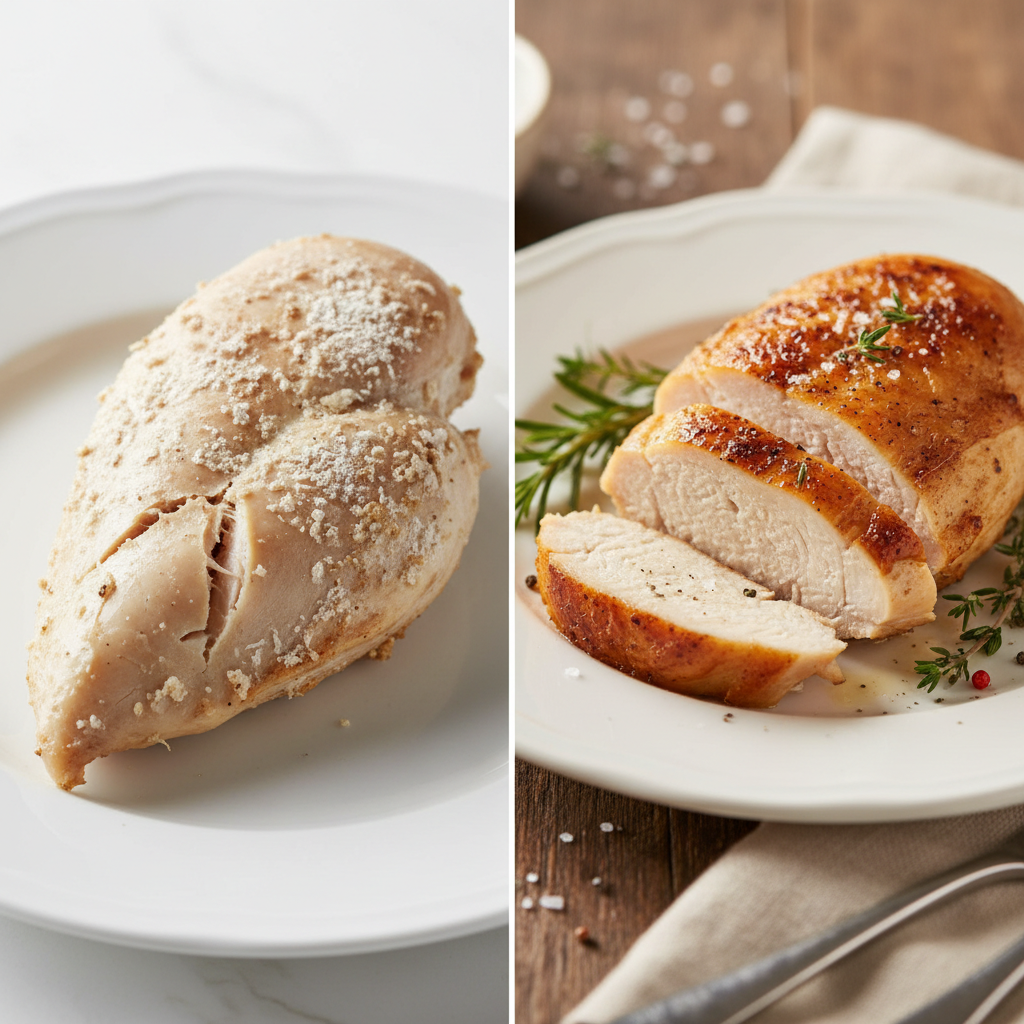
dry oven chicken. There’s nothing more disappointing than pulling a beautiful, golden-brown chicken from the oven, only to slice into it and find it… dry. You followed the recipe, you watched the clock, yet you’re left with a chalky, tough piece of meat that needs a gallon of gravy to be palatable. If you’re constantly wondering, “Why does my chicken dry out in the oven?” you’re not alone. The culprit is almost always a combination of overcooking, using the wrong cut, or not giving the chicken enough love beforehand. But don't worry, transforming your sad, dry oven chicken into a succulent masterpiece is easier than you think.
dry oven chicken. Want to create your own custom recipes? Try our AI-powered recipe generator for personalized cooking solutions tailored to your ingredients and preferences.
The Science Behind Dry Oven-Baked Chicken
Dry oven chicken is primarily caused by overcooking, which denatures muscle proteins, causing them to tighten and squeeze out moisture.
dry oven chicken. Chicken meat consists of muscle fibers, bundles of proteins packed with water. Heat causes these proteins to denature. As temperature rises past the ideal point, protein fibers tighten, squeezing out moisture. The longer and hotter you cook past the perfect temperature, the more water is forced out, resulting in a dry, stringy texture. The key is to cook chicken just enough to be safe and tender, without overcooking.
| Chicken Cut | Target Internal Temp (USDA Safe) | Recommended Pull Temp (for carryover cooking) |
|---|---|---|
| Chicken Breast (White Meat) | 165°F (74°C) | 160°F (71°C) |
| Chicken Thighs/Legs (Dark Meat) | 165°F (74°C) | 170-175°F (77-79°C) for best texture |
5 Quick Fixes for Dry Oven Chicken
1. You're Cooking by Time, Not Temperature
The Problem: Relying solely on a recipe's time (e.g., "bake for 25 minutes") often leads to inconsistent results and dry chicken, as oven temperatures and chicken sizes vary.
The Fix: Use an instant-read digital meat thermometer. Start checking the temperature about 10 minutes before the recipe's suggested time. Insert the thermometer into the thickest part, avoiding bone. Pull chicken breasts at 160°F (71°C) and thighs at 170-175°F (77-79°C).
Pro Tip: Account for carryover cooking; internal temperature rises by about 5 degrees after removal. Pulling it out just before the target ensures it won't overcook while resting.
2. Your Oven Temperature is Too Low
The Problem: Baking chicken low and slow (e.g., 325°F) allows moisture to evaporate before the meat cooks through, making it dry.
The Fix: Use high heat for a shorter time. Roasting chicken at 400°F to 450°F (204-232°C) browns the outside quickly, sealing in juices. This faster cooking reduces drying time. A 6-oz chicken breast may only need 18-20 minutes at 425°F.
Pro Tip: Pat chicken dry and coat lightly in oil before baking to promote even browning and crispy skin.
3. You're Using the Wrong Cut
The Problem: Boneless, skinless chicken breasts are lean with little fat, offering a small window for perfect doneness before drying out.
The Fix: Opt for dark meat like chicken thighs and legs, which have more fat and connective tissue, making them more forgiving and juicy. Bone-in, skin-on cuts are even better, as the bone helps regulate temperature and the skin locks in moisture. If using breast, choose bone-in and skin-on for a juicier result.
Pro Tip: If chicken is rubbery, it might be related to the cut and cooking method. Check our guide on why your chicken might be rubbery.
4. You're Skipping the Brine or Marinade
The Problem: Plain chicken cooked in a dry oven without preparation often results in dryness.
The Fix: Brine your chicken. A saltwater solution adds flavor and moisture through osmosis. Use 4 tablespoons of salt per 4 cups of water; submerge chicken breasts for 30-60 minutes. For more details, Serious Eats has an excellent guide to brining. A flavorful marinade with an acidic component (yogurt, vinegar, citrus) also tenderizes and adds moisture.
Pro Tip: A "dry brine" also works: sprinkle chicken liberally with kosher salt and let it sit in the fridge, uncovered on a rack, for 4 hours to a day. The salt draws out moisture, forms a brine, and is reabsorbed, seasoning the meat deeply.
5. You're Slicing It Immediately
The Problem: Slicing chicken immediately after cooking causes all the juices to run out onto the cutting board.
The Fix: Let it rest! Resting allows muscle fibers to relax and reabsorb juices, distributing them evenly. Transfer cooked chicken to a cutting board, tent loosely with foil, and rest for 5-10 minutes before slicing. A whole roasted chicken needs 15-20 minutes.