
Why Vegetables Steam Instead of Roast? 6 Key Fixes - Guide
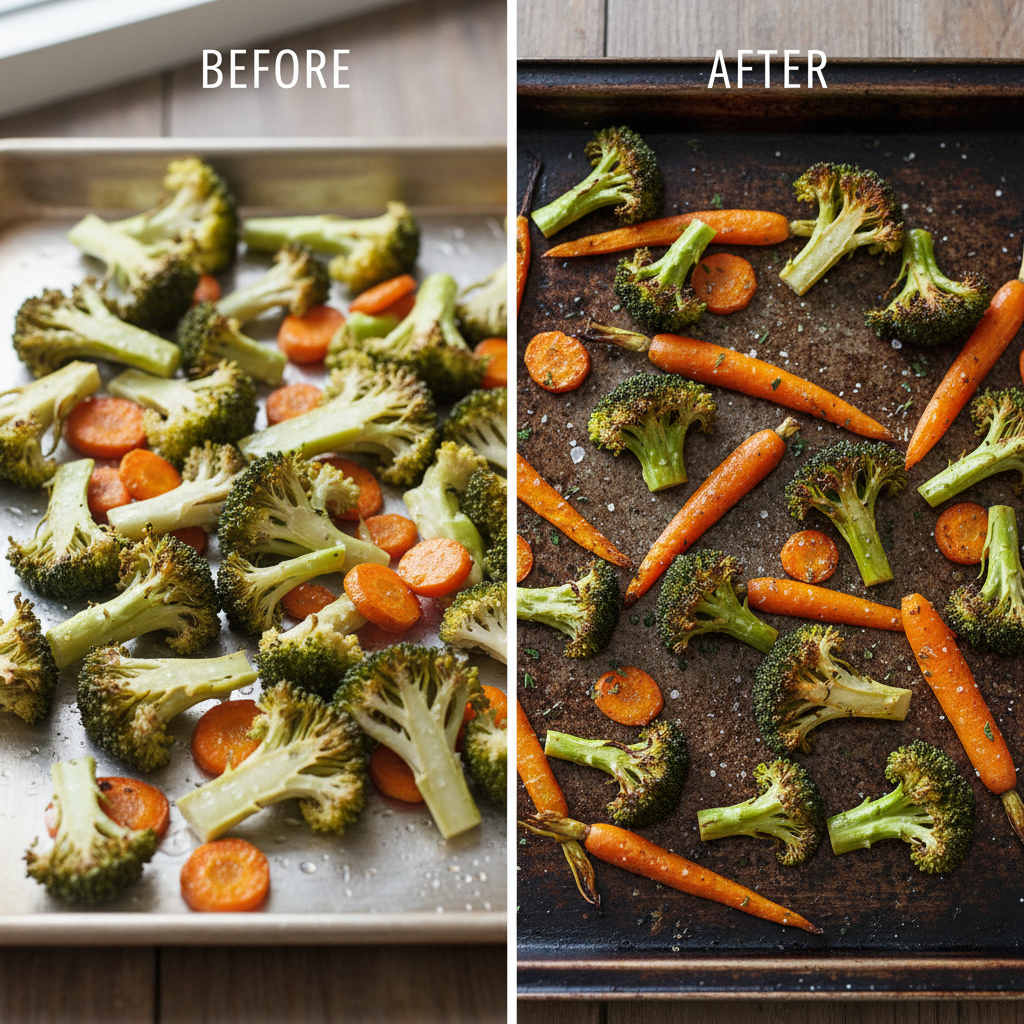
vegetables steam instead of roast. Picture this: you carefully chopped your broccoli, tossed it in olive oil and spices, and spread it on a pan. You were dreaming of crispy, caramelized florets, but when the timer dings, you pull out a pan of... sad, soggy, and disappointingly pale veggies. It's a common kitchen frustration! If you're wondering why do my vegetables steam instead of roast, the answer usually comes down to three main culprits: too much moisture, not enough space, and not enough heat. Don't worry, we're about to turn your soggy veggie nightmares into crispy, roasted dreams.
vegetables steam instead of roast. Want to create your own custom recipes? Try our AI-powered recipe generator for personalized cooking solutions tailored to your ingredients and preferences.
The Science Behind Steamy Veggies
Vegetables steam instead of roast when trapped moisture prevents the high, dry heat needed for caramelization and the Maillard reaction.
vegetables steam instead of roast. The goal of roasting is caramelization (browning of sugars) and the Maillard reaction (chemical reaction for browned food flavor). Both need high, dry heat, typically above 300°F (150°C).
vegetables steam instead of roast. When vegetables are crowded or the oven isn't hot enough, they release moisture. This moisture gets trapped, creating a steamy, humid pocket. The steam cloud's temperature can't exceed 212°F (100°C), too low for browning or crisping. This effectively steams the vegetables instead of roasting them.
| Process | Required Temperature | Result |
|---|---|---|
| Steaming | 212°F / 100°C | Soft, tender, but pale and potentially soggy |
| Maillard Reaction | ~280-330°F / 140-165°C | Savory, complex browning and flavor |
| Caramelization | ~320°F+ / 160°C+ | Sweet, nutty notes and brown color |
| Ideal Roasting | 400-450°F / 200-230°C | Crispy, browned exterior and tender interior |
6 Quick Fixes for Why Your Vegetables Steam Instead of Roast
Fix 1: Give Them Space (Don't Overcrowd the Pan!)
The Problem: Piling vegetables on top of each other traps steam, preventing evaporation.
The Fix: Spread vegetables in a single, even layer. Ensure they aren't touching. Use two pans if needed for crispy results.
Pro Tip: Use the largest rimmed baking sheet for maximum surface area and moisture evaporation.
Fix 2: Turn Up the Heat
The Problem: Low oven temperatures (e.g., 350°F / 175°C) cause moisture to seep out faster than it evaporates, creating steam.
The Fix: Preheat your oven to at least 400°F (200°C), or 425°F (220°C). High heat instantly evaporates surface moisture, allowing browning and caramelization.
Pro Tip: Use an oven thermometer. Many ovens are inaccurate; a thermometer shows the real temperature for proper adjustment.
Fix 3: Dry Your Veggies Thoroughly
The Problem: Wet vegetables provide a head start for steam. Water clinging to them must evaporate before roasting can begin.
The Fix: After washing, pat vegetables completely dry with a towel. A salad spinner helps with leafy greens or broccoli. They should feel dry before oiling.
Pro Tip: Air-dry washed veggies on a towel for 15 minutes to ensure all moisture is gone.
Fix 4: Use the Right Pan
The Problem: Glass baking dishes or high-sided casserole dishes trap steam, hindering dry heat roasting.
The Fix: Use a heavy-duty, low-rimmed metal baking sheet. Low sides allow air circulation and moisture escape. Metal conducts heat better than glass, promoting browning. If vegetables stick, use oil or parchment paper.
Pro Tip: As noted by Serious Eats, dark baking sheets absorb more heat, leading to faster, deeper browning.
Fix 5: Preheat Your Pan
The Problem: Placing cold vegetables on a cold pan means both heat up together, allowing moisture to pool and create steam.
The Fix: Place your empty baking sheet in the oven while it preheats. Once hot, carefully add oiled and seasoned vegetables. The sizzle indicates instant moisture evaporation, ensuring roasting success.
Pro Tip: Toss vegetables with
vegetables steam instead of roast is important to understand.
Common Mistakes to Avoid
Even with the best techniques, there are several pitfalls that can derail your progress. Here are the most common mistakes people make and how to avoid them.
Rushing the Process
One of the biggest mistakes is trying to rush through the steps. Take your time and focus on getting each step right. Quality matters more than speed when you're learning a new technique.
Skipping Key Steps
Every step in this process is there for a reason. Skipping even one can significantly impact your results. Make sure you complete each step thoroughly before moving on to the next.
Not Adjusting for Your Specific Situation
While these techniques work in most cases, you may need to make small adjustments based on your specific circumstances. Pay attention to what works best for you and don't be afraid to make modifications.
Final Thoughts
Now you have all the tools you need to solve this problem. Remember, the key is to be patient and follow these steps carefully. With practice, you'll master this technique and never face this issue again. If you found this guide helpful, share it with others who might benefit from these tips.
```Frequently Asked Questions
Why do my vegetables steam instead of roast even with oil and seasoning?
Even with oil and seasoning, too much moisture, not enough space on the pan, or insufficient oven heat are common reasons why vegetables steam instead of roast. These factors prevent the high, dry heat needed for caramelization and the Maillard reaction.
What temperature should I roast vegetables at to avoid them steaming?
To prevent your vegetables from steaming and encourage proper roasting, aim for an oven temperature between 400-450°F (200-230°C). This high heat is crucial for achieving a crispy, browned exterior and tender interior.
How does overcrowding the pan cause my vegetables to steam instead of roast?
Overcrowding the pan traps moisture released by the vegetables, creating a steamy, humid environment. This steam prevents the direct, dry heat contact necessary for browning and crisping, effectively steaming your vegetables instead of roasting them.
Can residual water from washing make my vegetables steam instead of roast?
Yes, residual water from washing your vegetables can significantly contribute to them steaming instead of roasting. Any excess moisture on the surface will create steam in the oven, hindering the caramelization and browning processes. Always pat your vegetables thoroughly dry before adding oil and roasting.
What is the "Maillard reaction" and how does it relate to vegetables steaming instead of roasting?
The Maillard reaction is a chemical process responsible for the savory, complex flavors and browned appearance of roasted food. This reaction, along with caramelization, requires high, dry heat (typically above 280-330°F / 140-165°C). If your vegetables steam instead of roast, it means the conditions for the Maillard reaction aren't being met.