Why Won’t My Chicken Skin Go Crispy? 7 Easy Fixes Revealed
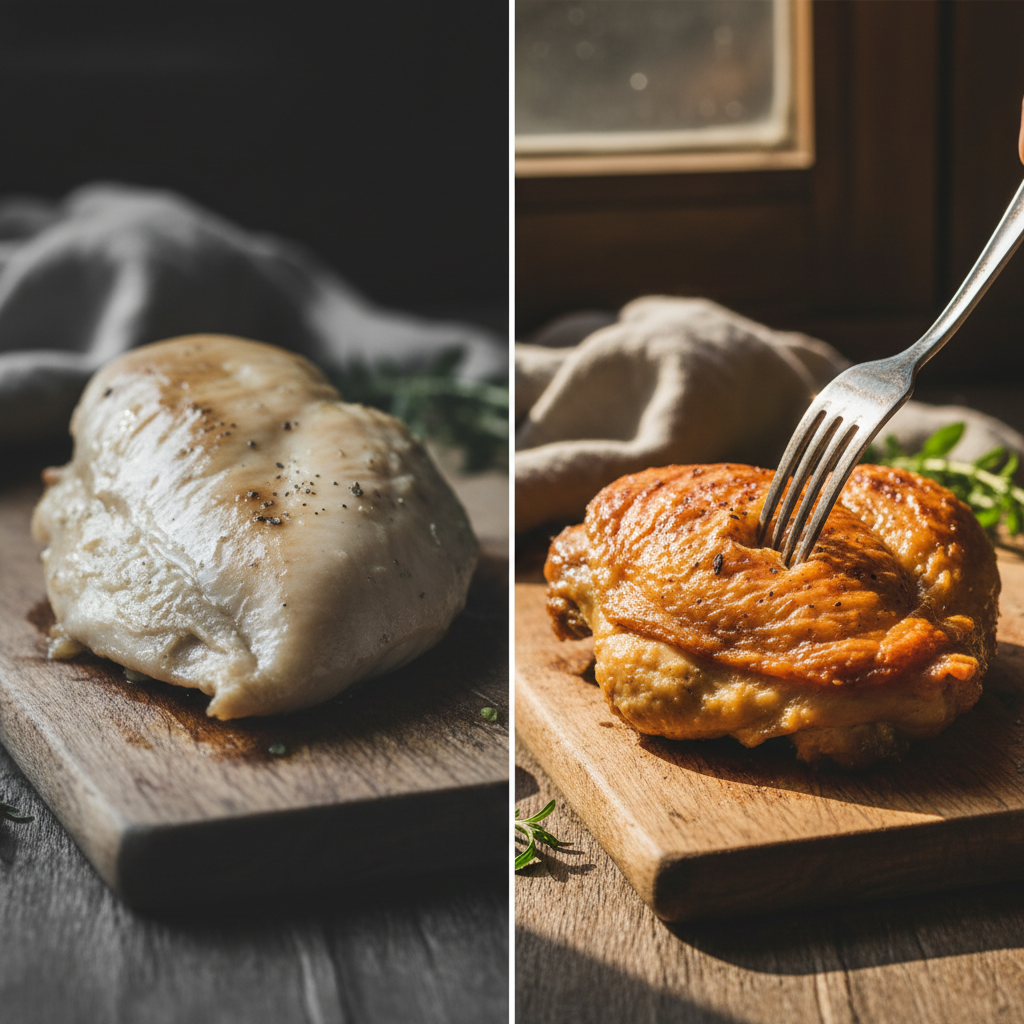
You've done everything right. You seasoned your chicken, preheated the oven, and roasted it for the perfect amount of time. You pull it out, ready for that satisfying crunch, only to be met with... pale, limp, rubbery skin. It's one of the most deflating moments in the kitchen! If you're constantly asking, why won't my chicken skin go crispy?, you're not alone. The answer usually boils down to three main culprits: too much moisture, not enough heat, or a crowded pan. But don't worry, we're about to turn that soggy situation into a crispy, crackly triumph.
Want to create your own custom recipes? Try our AI-powered recipe generator for personalized cooking solutions tailored to your ingredients and preferences.
The Science Behind Soggy Chicken Skin
To achieve that shatteringly crisp skin we all crave, two things need to happen: moisture must be eliminated, and fat must be rendered. Chicken skin is composed of collagen, fat, and water. When you heat it, the fat underneath the skin begins to melt (or render). This liquid fat helps to essentially 'fry' the skin from the inside out, making it crisp.
At the same time, the water on the surface of the skin needs to evaporate. If the surface is wet or the cooking environment is too steamy, the water turns to steam instead of evaporating away. This steams the skin, making it soft and rubbery. Only on a dry surface at high temperatures can the magical Maillard reaction occur. This is the chemical reaction between amino acids and reducing sugars that gives browned food its distinctive flavor and beautiful golden color. Without a dry surface, you get bland, pale skin.
| Temperature Range (°F) | Effect on Chicken Skin |
|---|---|
| 300-350°F | Slowly renders fat but won't produce very crisp skin. Good for starting the cook. |
| 375-450°F | The sweet spot. Renders fat effectively and promotes rapid moisture evaporation for crisping. |
| 450°F+ | Excellent for finishing and getting extra crispy skin, but watch closely to prevent burning. |
7 Fixes for When Your Chicken Skin Won't Go Crispy
1. The Moisture Menace
The Problem: The single biggest enemy of crispy skin is surface moisture. Even a little bit of water will create steam, preventing the skin from drying out and browning properly.
The Fix: Be relentless with paper towels. Pat the chicken thoroughly dry on all sides before seasoning. Don't just dab it; press firmly to absorb as much moisture as possible from the skin and any crevices.
Pro Tip: For guaranteed results, air-dry it. After patting it dry, place the chicken uncovered on a wire rack set inside a baking sheet and refrigerate it for at least 4 hours, or even overnight. The cold, dry air of the fridge works like a dehumidifier for the skin.
2. The Crowded Pan
The Problem: When chicken pieces are packed too tightly in an oven pan or air fryer basket, they trap steam. There's no room for hot air to circulate, so the chicken ends up steaming in its own juices instead of roasting.
The Fix: Give your chicken some personal space! Ensure there's at least an inch of space between each piece. If you have too much chicken for your pan, use two pans. This is non-negotiable for crispiness.
Pro Tip: Always cook chicken on a wire rack set inside a rimmed baking sheet. This elevates the chicken, allowing hot air to circulate underneath and crisp up the bottom skin, while also letting the rendered fat drip away.
3. The Temperature Tango
The Problem: Cooking at too low a temperature will render some fat, but it won't be hot enough to evaporate moisture quickly and trigger the Maillard reaction. The result is often cooked chicken with pale, greasy skin.
The Fix: Crank up the heat. For most oven and air fryer applications, a temperature between 400°F and 425°F (200-220°C) is ideal for achieving a crispy exterior while ensuring the inside cooks through. Sometimes a final blast of heat at 450°F for the last 5-10 minutes can work wonders.
Pro Tip: Use an oven thermometer to verify your oven's temperature. Many home ovens can be off by 25-50 degrees, which can be the difference between crispy and soggy.
4. The Fat Factor
The Problem: While chicken skin has its own fat, a little extra fat on the surface helps conduct heat and kickstart the crisping process.
The Fix: After drying the chicken, rub it all over with a high-smoke-point oil (like canola or avocado oil) or clarified butter. Fat helps the skin brown and adds flavor. Don't overdo it; a thin, even coat is all you need.
Pro Tip: This is the secret weapon: mix a little baking powder (not baking soda!) with your salt and seasonings. As explained by the food nerds at Serious Eats, baking powder raises the skin's pH level, which helps break down proteins more efficiently and encourages browning.
5. The Steam Trap (Covering)
The Problem: Covering your chicken with foil or a lid traps every bit of moisture that evaporates, creating a steamy sauna inside your pan. It's great if you want to avoid dry chicken, but it's a death sentence for crispy skin.
The Fix: Roast your chicken uncovered for the entire cooking time. If you're worried about the meat getting dry, focus on not overcooking it with a meat thermometer rather than covering it. If you find your skin is browning too quickly, you can tent it loosely with foil for part of the time, but remove the foil for the last 15-20 minutes of cooking to re-crisp the skin.
Pro Tip: This is especially crucial in an air fryer. Never cover food or block the airflow vents, as the entire appliance relies on circulating hot air to work its magic.
6. The Salt Solution
The Problem: Seasoning with salt just before cooking is good, but seasoning well in advance is even better. Salt is hygroscopic, meaning it draws moisture out.
The Fix: Try a dry brine. At least 4 hours (and up to 24 hours) before cooking, sprinkle the chicken generously with kosher salt and place it uncovered in the fridge on a wire rack. The salt will initially draw moisture to the surface, then dissolve into a brine that gets reabsorbed by the meat, seasoning it deeply while leaving the skin incredibly dry. If your chicken comes out rubbery, it might not be a skin issue but a cooking issue, but dry-brining helps with overall texture too!
Pro Tip: When you're ready to cook, don't rinse the salt off! Just pat the chicken dry one last time if there's any surface moisture and proceed with your recipe.
7. The Sugar Sneak
The Problem: Marinades and rubs containing sugar (including honey, maple syrup, or brown sugar) can burn long before the skin has a chance to fully render and crisp up. You end up with blackened, sticky spots on otherwise flabby skin.
The Fix: If using a sugary marinade or glaze, apply it only during the last 5-10 minutes of cooking. This gives it enough time to caramelize and create a beautiful coating without burning.
Pro Tip: For maximum crispiness, opt for a dry rub made of salt, pepper, garlic powder, onion powder, and paprika. This avoids the moisture and sugar problem altogether, and won't leave you wondering why your chicken is dry, as the focus is solely on texture and internal temp.
How to Prevent Soggy Chicken Skin From the Start
- Buy Smart: Look for chicken that appears dry in the package, not sitting in a pool of liquid. Air-chilled chicken is often a superior choice for crispy skin as it contains less added water.
- Dry, Dry, Dry: This is the most important step. Pat it dry with paper towels. For best results, let it air-dry in the fridge for several hours.
- Salt in Advance: Use a dry brine with kosher salt for at least 4 hours to draw out moisture and season the meat.
- Elevate It: Always use a wire rack inside your baking sheet or air fryer to ensure 360-degree air circulation.
- Don't Crowd the Pan: Give each piece of chicken plenty of space to breathe. Use multiple pans if necessary.
- Bring the Heat: Cook at a high temperature (400°F+) to ensure rapid moisture evaporation and fat rendering.
- Finish with Glaze: If using a sugary sauce or glaze, brush it on only during the final few minutes of cooking to prevent burning.
Frequently Asked Questions
Can I get crispy skin on chicken breasts?
Yes, absolutely! The key is to buy bone-in, skin-on chicken breasts. The bone helps regulate cooking temperature, preventing the lean breast meat from drying out before the skin has time to crisp. Apply all the same principles: pat it dry, use high heat, and don't overcrowd the pan.
Why is my air fryer chicken skin not getting crispy?
The most common reasons are overcrowding the basket and not drying the chicken enough. An air fryer is a small convection oven that needs space for the hot air to move. If you pile chicken in, it will steam. Make sure to cook in a single layer and pat the skin bone-dry before cooking.
Does baking powder really make chicken skin crispy?
Yes, it's a fantastic kitchen hack! As explained by sources like Serious Eats, the baking powder (aluminum-free is best to avoid a metallic taste) has a dual effect. It raises the skin's pH, which promotes browning, and it reacts with the chicken's juices to form tiny carbon dioxide bubbles, increasing the surface area and creating an extra-bubbly, crunchy texture.
Complete Chicken Troubleshooting Guide
This is just one of many common chicken cooking issues. For a comprehensive guide covering all chicken problems and solutions, check out our complete Complete Chicken Troubleshooting Guide.