
Stop Burning Your Garlic — The 30-Second Rule Chefs Swear By
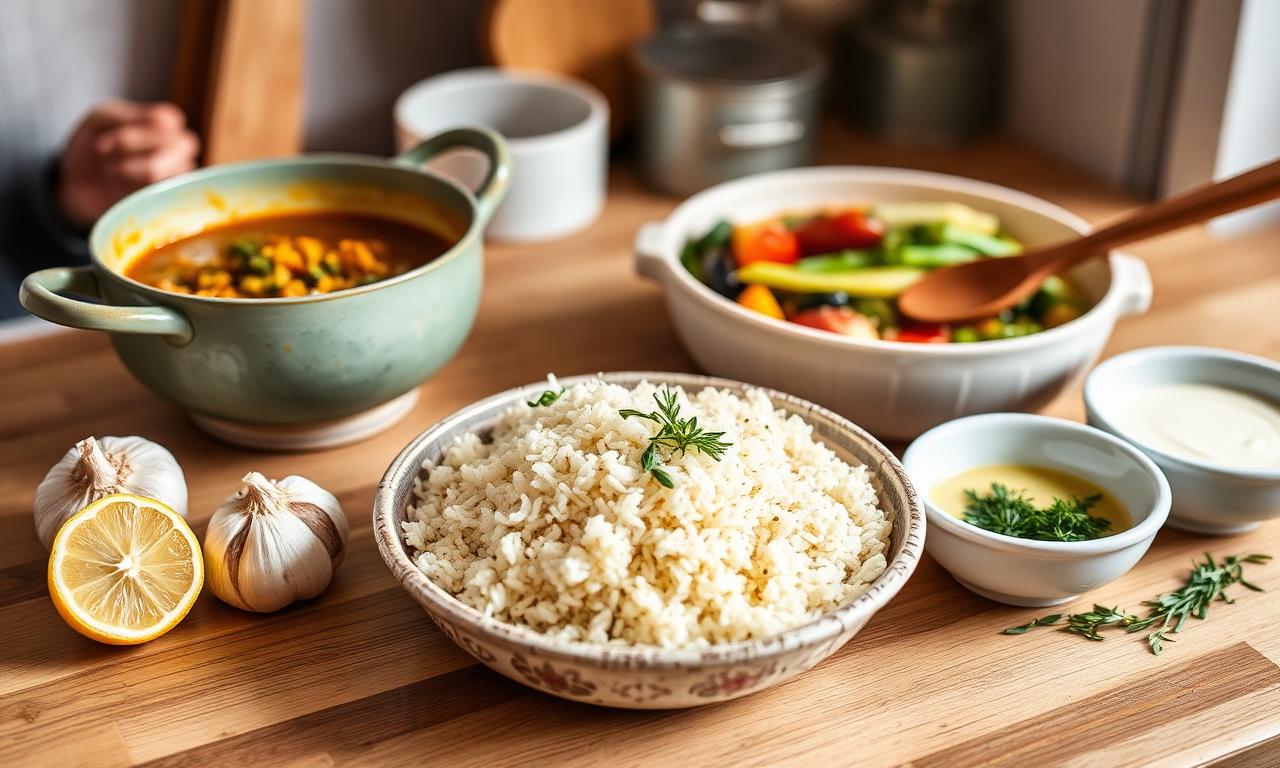
There’s nothing worse than being just moments away from a delicious meal when a whiff of acrid bitterness hits your nose. You glance back at the pan and see it: your beautifully minced garlic has gone from fragrant and golden to dark brown and burnt. Ugh! That bitter flavor can ruin an entire dish. If you find your garlic burns too fast, you're not alone. It’s a common kitchen frustration, but it's usually due to a simple combination of high heat, the garlic's small size, and its unique chemical makeup.
Don't worry, your garlicky dreams aren't over! We're going to dive into why this happens and give you five foolproof fixes to save your next meal from the tragedy of burnt garlic.
Want to create your own custom recipes? Try our AI-powered recipe generator for personalized cooking solutions tailored to your ingredients and preferences.
The Science Behind Why Garlic Burns So Quickly
So, why is garlic so eager to go from flavor hero to bitter villain? It all comes down to chemistry. Garlic has a significantly lower water content and a higher sugar content (specifically fructose) than many other vegetables, like onions. When you heat it, these sugars undergo the Maillard reaction, the same process that gives seared steak and toasted bread their delicious flavor and color.
However, because garlic is so low in water and often chopped into tiny pieces, it heats up incredibly fast. The Maillard reaction quickly gives way to burning (carbonization), which creates those unmistakable bitter, acrid compounds. The massive surface area of minced garlic means every tiny piece is exposed to intense heat, accelerating this process dramatically. An onion might take 8-10 minutes to soften and brown, but minced garlic can burn in less than 30 seconds under the same heat.
This is why understanding the form and timing is critical. Here’s a quick guide:
| Garlic Prep | Ideal Use Case | Approx. Burn Time (Medium Heat) |
|---|---|---|
| Minced/Pressed | Quick sautés, finishing sauces | 30-60 seconds |
| Sliced | Stir-fries, roasting | 2-3 minutes |
| Smashed/Whole | Soups, stews, braises, infused oils | 5-8+ minutes |
5 Quick Fixes When Your Garlic Burns Too Fast
1. Add It Later (The Timing Fix)
The Problem: You're treating garlic like a heartier aromatic, such as an onion or carrot. You throw them all in the hot pan at the same time, but by the time the onion is just getting soft, the garlic is a goner.
The Fix: This is the golden rule of cooking garlic. Sauté your hardier vegetables (onions, celery, carrots) first. Cook them until they are softened and translucent, which usually takes 5-7 minutes. Only then should you add your minced or sliced garlic. Stir it constantly for just 30-60 seconds until it becomes fragrant, then immediately proceed with your next step, like adding a liquid (wine, broth, tomatoes) to stop the cooking process.
Pro Tip: Have your next ingredient ready to go! The moment you smell that beautiful garlic aroma, it's time to add your liquid or other ingredients. Hesitation leads to carbonization!
2. Turn Down the Heat (The Temperature Fix)
The Problem: You're using high heat to get a good sear on your other ingredients, but this intense temperature is way too much for delicate garlic to handle.
The Fix: Resist the urge to blast the heat. Cook garlic on medium or even medium-low heat. This gives you a much wider window of time to work with. The garlic will sizzle gently, releasing its sweet, aromatic compounds slowly instead of getting shocked into burning. If you notice the sizzle is too aggressive or the oil is smoking, immediately lift the pan off the burner for a few seconds to cool it down. This is very different from when you're trying to figure out why your vegetables won't brown, where high heat is your friend.
Pro Tip: Use a heavy-bottomed pan (like cast iron or stainless steel). It will heat more evenly and retain heat better, helping you avoid the hot spots that can instantly scorch your garlic.
3. Change Your Cut (The Surface Area Fix)
The Problem: You're using finely minced or pressed garlic for a long-cooking dish like a pot roast or a simmering soup. The tiny pieces have no chance of survival.
The Fix: Match your cut to your cooking time. For recipes with long simmers, stews, or braises, use larger pieces of garlic. Roughly chopped slices, or even whole cloves that have been lightly smashed with the side of a knife, are perfect. They will release their flavor more slowly and are far more resistant to burning. Minced garlic should be reserved for quick-cooking applications like a 3-minute shrimp scampi or finishing a stir-fry.
Pro Tip: If you use smashed whole cloves, you can easily fish them out of the pot before serving if you don't want someone to get a whole clove in their bowl (or leave them in for a sweet, mellow surprise!).
4. Create a Buffer (The Insulation Fix)
The Problem: The garlic is in direct, brutal contact with the hottest part of your pan, the metal surface itself. It's an unfair fight.
The Fix: Insulate your garlic! Once your onions or other veggies have softened, create a small clearing in the center of the pan and add your oil and garlic there for more control. Even better, pile the garlic on top of the other vegetables. The moisture and mass of the other ingredients will act as a buffer, protecting the garlic from the direct, intense heat of the pan and allowing it to steam and cook more gently.
Pro Tip: This method works beautifully when deglazing. Add the garlic for 30 seconds, and then pour in your wine, broth, or stock. The liquid immediately cools the pan and captures all that amazing flavor without any risk of burning.
5. Make Garlic-Infused Oil (The Flavor-First Fix)
The Problem: You want a deep, foundational garlic flavor throughout your dish, but you're worried about burning it at any stage.
The Fix: Start by making a quick garlic-infused oil. Add your fat (olive oil, butter, etc.) and sliced or smashed garlic to a cold pan. Turn the heat to low and let them gently heat up together. You'll see tiny bubbles begin to form around the garlic. Let it sizzle gently until the garlic is a very light golden brown and your kitchen smells amazing. Then, use a slotted spoon to remove the garlic pieces. Now you have a beautifully flavored oil to use as the base for the rest of your recipe, with zero risk of burning anything. For more on this, Serious Eats has a great guide.
Pro Tip: Don't throw away those toasted garlic pieces! Let them cool on a paper towel, sprinkle with a little salt, and use them as a crunchy, delicious garnish for your finished dish.
How to Prevent Garlic from Burning in the First Place
The best fix is prevention! Keep these tips in mind to set yourself up for success every time:
- Mise en Place is Your Best Friend: Have all your ingredients chopped, measured, and ready to go before you even turn on the stove. When garlic is in the pan, you don't have time to run and grab the can of tomatoes.
- Stay Pan-Side: Once the garlic goes in, do not walk away. Not even for a second. Its cooking time is measured in seconds, not minutes.
- Use a Heavier Pan: Thin, cheap pans have hot spots that will incinerate garlic instantly. A good quality, heavy-bottomed pan distributes heat far more evenly, which is crucial if you're having issues with veggies sticking to your pan anyway.
- Bloom Your Spices First: If a recipe calls for dried spices, add them to the hot oil a minute before the garlic. This gives them a head start on releasing their flavor and slightly cools the oil before the delicate garlic goes in.
Frequently Asked Questions
Can you save a dish if the garlic is already burnt?
Honestly, it's very difficult. The acrid flavor of burnt garlic is incredibly potent and permeates the oil and other ingredients. Trying to mask it often fails. If it's just a few slightly-too-dark pieces, you might be able to remove them quickly and carry on. But if it's truly burnt and bitter, your best bet is often to wipe the pan clean and start over. It's painful, but better than a whole ruined meal!
Does adding garlic to cold oil prevent it from burning?
Yes, this is an excellent technique, especially for making infused oils or for cooks who are nervous about burning it. By placing garlic in cold oil and bringing them up to temperature together over low heat, you allow the garlic's flavor to infuse into the oil gently without the shock of hitting a hot pan. This gives you much more control and a sweeter, more rounded garlic flavor.
Why does my roasted garlic burn in the oven?
The same principles apply in the oven! If you're roasting vegetables and you've thrown in finely minced garlic, it will likely burn before the veggies are cooked. For roasting, either use whole cloves tossed with the other veggies or roast a whole head of garlic separately. To do that, cut the top off a head of garlic, drizzle with olive oil, wrap in foil, and roast until soft and sweet. This protects it from the direct, dry heat of the oven.
Complete Vegetable Troubleshooting Guide
This is just one of many common vegetable cooking issues. For a comprehensive guide covering all vegetable problems and solutions, check out our complete Complete Vegetable Troubleshooting Guide.