
Why Is My Rice Foamy While Cooking? 5 Easy Fixes
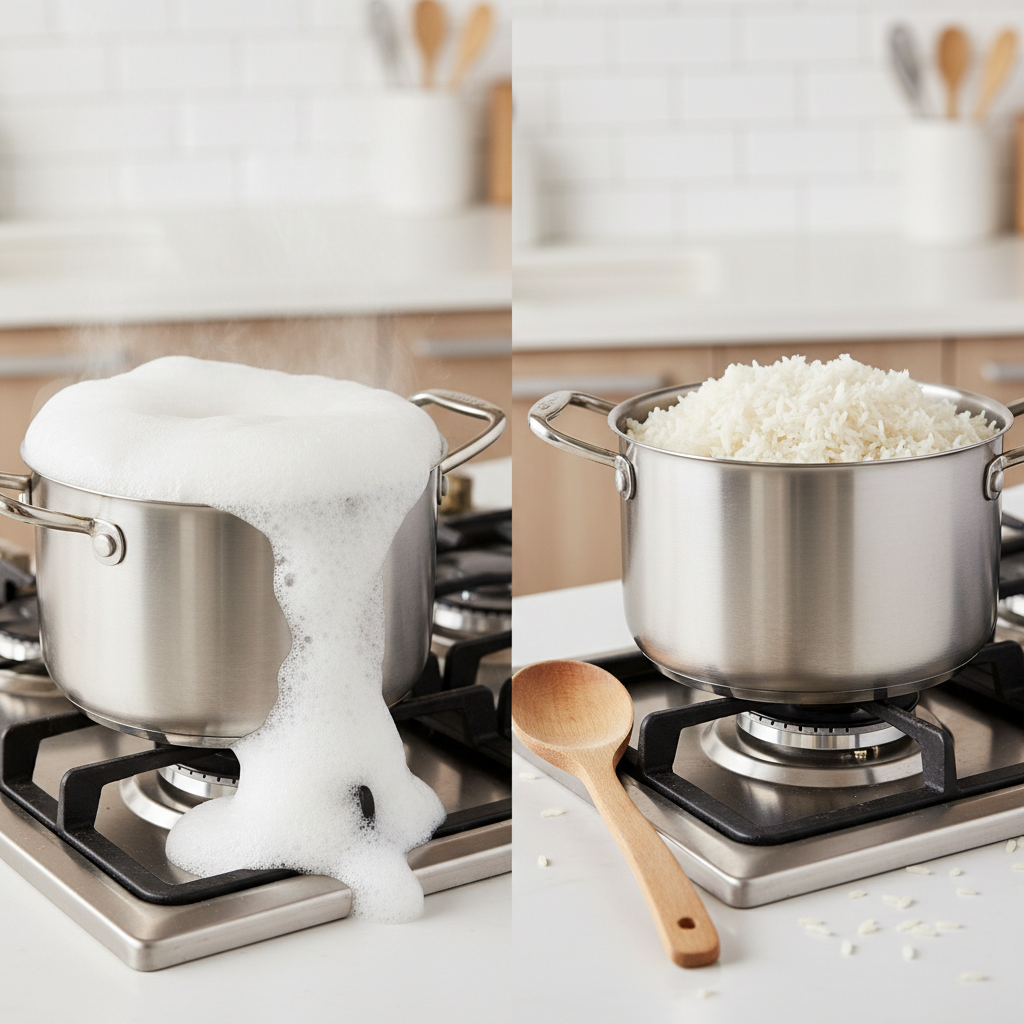
There’s nothing quite like the promise of a pot of perfectly fluffy rice. But then you lift the lid to check on it, and disaster strikes! A thick, white foam is bubbling up, threatening to spill all over your clean stovetop. It’s a frustratingly common kitchen problem. If you’ve ever wondered why your rice is foamy while cooking, the short answer is usually one thing: excess surface starch. This starchy buildup, combined with the heat and water, creates a bubbly mess. But don't worry, it's an easy fix, and we're here to walk you through it.
Want to create your own custom recipes? Try our AI-powered recipe generator for personalized cooking solutions tailored to your ingredients and preferences.
The Science Behind Foamy Rice
So, what’s actually happening in that pot? The foam you see is a direct result of starch. During the milling process, the outer layers of the rice grain are polished off, creating a fine powder of loose starch that clings to the surface of each grain. When you add water and heat, this loose starch dissolves and gelatinizes.
As the water heats up and begins to boil, the starches create a film on the water's surface. The steam bubbles rising from the bottom of the pot get trapped under this starchy film, creating a stable foam that can quickly expand and boil over. Think of it like blowing bubbles with soapy water—the soap helps create a stable bubble, and in this case, the starch is your "soap."
Different types of rice have varying amounts of starch, which affects how much they foam. Short-grain rice (like Arborio or sushi rice) is typically starchier than long-grain rice (like Basmati or Jasmine). This is why rinsing is so crucial for some recipes but not for others, like risotto, where you want that starch to create a creamy texture.
| Rice Type | Starch Content | Foam Potential |
|---|---|---|
| Jasmine / Basmati | Medium | Medium |
| Standard Long-Grain | Medium | Medium |
| Sushi Rice | High | High |
| Arborio Rice | Very High | Very High |
5 Quick Fixes for Rice Foamy While Cooking
Fix 1: Rinse, Rinse, Rinse!
The Problem: The main culprit is the powdery starch clinging to the outside of the rice grains. This is the fuel for your foam fire.
The Fix: This is the most effective fix by far. Before you cook your rice, give it a thorough rinse. Place your rice in a fine-mesh sieve and run it under cool water, using your fingers to gently agitate the grains. You’ll see the water start out milky and cloudy. Keep rinsing until the water runs mostly clear. This removes the vast majority of the excess surface starch.
Pro Tip: Don't have a sieve? You can rinse the rice in the cooking pot itself. Just add water, swirl, and carefully pour off the starchy water, using your hand to keep the rice from spilling out. Repeat 3-4 times.
Fix 2: Add a Touch of Fat
The Problem: The starch molecules are creating a stable surface tension that traps steam and forms bubbles.
The Fix: Add a small amount of fat to the cooking water. Just a teaspoon of butter, ghee, coconut oil, or a neutral vegetable oil is enough. The fat helps to break the surface tension of the water, destabilizing the starch bubbles and causing them to pop instead of building up into a thick foam.
Pro Tip: This is a great opportunity to add flavor! A drizzle of toasted sesame oil works wonders for rice destined for an Asian dish, while a pat of butter adds a lovely richness for a simple side dish.
Fix 3: Use a Bigger Pot
The Problem: There isn't enough headspace in your pot. When the foam expands, it has nowhere to go but up and out.
The Fix: It sounds simple, but it works. Choose a pot that is large enough to give the rice and any potential foam plenty of room. As a rule of thumb, the uncooked rice and water should not fill the pot more than halfway. This gives the foam space to rise and fall without boiling over.
Pro Tip: Using a larger, heavy-bottomed pot not only helps with foam but also promotes even cooking and helps you avoid the dreaded problem of why your rice might be burning at the bottom.
Fix 4: Skim the Foam
The Problem: You didn't rinse enough, or you're in a hurry, and the foam has already appeared.
The Fix: This is a reactive fix, but an effective one. As the foam forms on the surface of the water, simply use a large, shallow spoon to skim it off and discard it. You may need to do this a couple of times as the rice first comes to a boil, but it should subside once you lower the heat to a simmer.
Pro Tip: This method is also used when making stocks and broths to ensure a clear final product. The principle is the same: removing impurities (in this case, starch) that float to the top.
Fix 5: The Wooden Spoon Trick
The Problem: Your pot is on the verge of boiling over, and you need a quick, temporary solution.
The Fix: Lay a wooden spoon across the top of the pot. As the foam rises and touches the spoon, the bubbles will break. As explained by sources like Serious Eats, the wood is both hydrophobic (repels water) and a poor heat conductor, so it effectively pops the bubbles on contact. This is a great emergency measure to prevent a mess while you lower the heat.
Pro Tip: This is a temporary save, not a permanent solution! Your best bet is to combine this with lowering the heat immediately. It won't stop a raging, violent boil indefinitely.
How to Prevent Rice From Foaming in the Future
Tired of fighting the foam? Prevention is always better than a cure. Here's how to set yourself up for success from the start:
- Start with a Rinse: Make rinsing your rice a non-negotiable first step for most rice types. It's the single most effective way to prevent foam.
- Use a Big Enough Pot: Give your rice and water plenty of room to breathe and expand.
- Add a Little Fat: A teaspoon of oil or butter in the water works wonders as a natural de-foaming agent.
- Control Your Heat: Bring the rice to a boil, then immediately reduce the heat to a low simmer and cover. A violent, rolling boil will always create more foam and can lead to unevenly cooked or crunchy rice.
Frequently Asked Questions
Is the foam on rice bad for you?
Not at all! The foam is simply a mixture of starch and water. It's completely harmless and safe to eat. The main reasons to prevent it are to avoid a messy boil-over on your stove and to achieve a better, less gummy texture in your finished rice.
Why does my rice cooker rice get foamy?
The same science applies! A rice cooker is just an automated pot. If you add unrinsed rice, the starch will still create foam. This can sometimes cause the cooker to sputter starchy water out of its steam vent, making a mess. Rinsing your rice and adding a tiny bit of oil before starting the cooker will solve this problem.
Do I need to rinse all types of rice to prevent foam?
For most everyday rice like Basmati, Jasmine, and standard long-grain, yes, rinsing is highly recommended. However, for certain dishes, that surface starch is desirable. You should not rinse rice for risotto (like Arborio or Carnaroli) or paella (like Bomba), as the starch is what creates the signature creamy sauce. Some recipes for sticky rice also call for unrinsed rice to achieve that perfect sticky texture.
Complete Rice Troubleshooting Guide
This is just one of many common rice cooking issues. For a comprehensive guide covering all rice problems and solutions, check out our complete Complete Rice Troubleshooting Guide.