
Why Does Cooked Rice Turn Hard in the Fridge? Fix It Now!
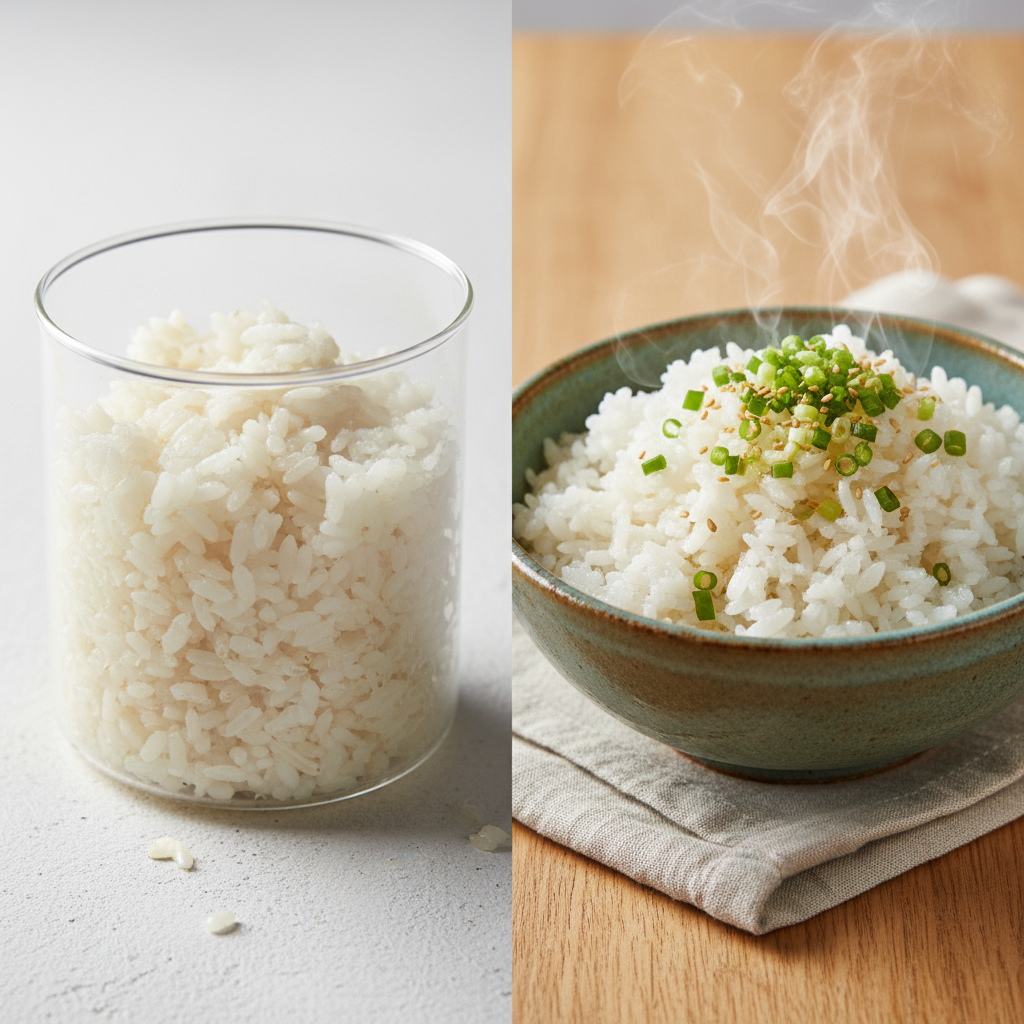
There’s nothing quite like the promise of a quick and easy meal using leftover rice. You open the fridge, grab that container of perfectly cooked rice from last night, and... it’s a solid, dry, crumbly brick. Ugh. We’ve all been there! It’s a common kitchen frustration, but don’t you dare throw it out. The good news is that your rice isn't ruined. So, why does my cooked rice turn hard in the fridge? It all comes down to two simple things: moisture loss and a scientific process called starch retrogradation. But don't worry, reviving that rice to its former fluffy glory is surprisingly easy, and we're here to show you how.
Want to create your own custom recipes? Try our AI-powered recipe generator for personalized cooking solutions tailored to your ingredients and preferences.
The Science Behind Hard, Refrigerated Rice
To understand why your fluffy rice transforms into a hard clump, we need a mini science lesson. When you cook rice, the starch granules absorb water and swell up in a process called starch gelatinization. This is what makes the rice soft and digestible.
However, as the cooked rice cools down, the magic reverses. The starch molecules begin to regroup and recrystallize, squeezing out the water they once held. This process is called starch retrogradation. The cold, dry environment of a refrigerator dramatically speeds up this process, causing the rice to become firm, dry, and lose its pleasant texture. It's the same reason day-old bread gets stale!
Essentially, you're fighting against both dehydration and a natural chemical reaction. The key to fixing it is reintroducing moisture and heat to once again soften those recrystallized starches. As Serious Eats explains, this is a reversible process, which is great news for your leftovers!
| Temperature | Starch State | Rice Texture |
|---|---|---|
| Room Temp (Uncooked) | Crystalline Starch | Hard, inedible |
| Cooking (~150-212°F / 65-100°C) | Gelatinization | Soft, fluffy, moist |
| Refrigeration (~39°F / 4°C) | Retrogradation | Firm, dry, clumpy |
| Reheating (~165°F / 74°C) | Re-Gelatinization | Soft and moist again |
5 Quick Fixes for When Your Cooked Rice Turns Hard in the Fridge
1. The Microwave Steam-Bath
The Problem: Your rice is a single, solid block, and you need it fluffy and fast for a quick lunch.
The Fix: This is the quickest and most popular method. Place the hard rice in a microwave-safe bowl. For every cup of rice, sprinkle about 1-2 tablespoons of water over the top. You can also use broth for extra flavor. Cover the bowl tightly with a microwave-safe lid, a plate, or a damp paper towel. Microwave on high for 60-90 seconds, then let it stand, covered, for another minute. Fluff with a fork, and it’s ready to serve!
Pro Tip: Place an ice cube on top of the rice before microwaving. The ice won't melt instantly; it will create a slow, even steam that gently rehydrates the grains without making them soggy.
2. The Stovetop Sauté & Steam
The Problem: You don't have a microwave, or you're reheating a larger quantity of rice and want to ensure it's evenly heated.
The Fix: Add the clump of rice to a non-stick skillet or saucepan with a splash of water or broth. Use a spoon or spatula to break up the rice into smaller chunks. Cover the pan with a tight-fitting lid and heat over low-medium heat for about 5 minutes. The trapped steam will work its magic. Once the rice is soft, remove the lid, add a pat of butter or a drizzle of oil, and stir-fry for a minute to evaporate any excess moisture.
Pro Tip: This method is perfect if you're worried about your rice burning at the bottom. The low heat and initial steaming prevent scorching while ensuring a fluffy result.
3. Embrace It: Make Fried Rice
The Problem: Your rice is dry and the grains are separated—which is actually a good thing sometimes!
The Fix: Day-old, slightly dry rice is the secret to perfect fried rice! Fresh, moist rice often turns gummy and mushy in the wok. The firm, separate grains of refrigerated rice will absorb the sauce and oil beautifully without sticking together. Simply crumble the rice with your hands, heat some oil in a wok or large skillet, and proceed with your favorite fried rice recipe. The heat and sauce will soften it to the perfect texture.
Pro Tip: Don't overcrowd the pan. Fry the rice in batches if necessary to ensure each grain gets nicely toasted and heated through.
4. The Soup or Stew Soak
The Problem: You have a hard block of rice and want to add it to a liquid-based dish.
The Fix: This is the easiest fix of all. Simply drop the chunk of cold rice directly into your simmering soup, stew, chili, or curry. As it heats up in the flavorful liquid, it will absorb moisture and break apart naturally within a few minutes. Just give it a gentle stir to help it along.
Pro Tip: Add the rice in the last 5 minutes of cooking. This is just enough time to heat it through without it becoming overly soft or mushy.
5. The Oven Revival (For Big Batches)
The Problem: You have a large tray of leftover rice from a party and the microwave just won't cut it.
The Fix: Preheat your oven to 300°F (150°C). Spread the rice evenly in an oven-safe baking dish. Sprinkle a few tablespoons of water or broth over the top, then cover the dish tightly with aluminum foil. Bake for 15-20 minutes, or until the rice is heated through and soft. The foil traps the steam, gently rehydrating the entire batch at once.
Pro Tip: Before covering with foil, dot the top of the rice with a few small pats of butter. It will melt as it bakes, adding richness and helping to keep the grains separate.
How to Prevent Cooked Rice from Turning Hard
An ounce of prevention is worth a pound of cure! Here’s how to store your rice to minimize hardness from the start.
- Cool it Down Quickly: Don't leave cooked rice sitting at room temperature for more than an hour. To cool it quickly, spread it in a thin layer on a baking sheet before storing.
- Store in an Airtight Container: This is the most critical step. A truly airtight container prevents moisture from escaping and stops the rice from absorbing other fridge odors. Pack the rice in firmly to minimize air pockets.
- Add a Little Fat: Cooking your rice with a teaspoon of oil, butter, or coconut oil can help coat the grains. This lubricant action can lessen the effects of retrogradation and make the grains less likely to clump into a solid mass. If you often find your rice is still crunchy after cooking, adding fat can also promote a more even cook.
- Freeze It: For longer storage, freezing is superior to refrigerating. Portion cooled rice into freezer bags, press out all the air, and lay flat. When you're ready to eat, you can microwave it directly from frozen (with a splash of water) for perfectly fluffy rice every time.
Frequently Asked Questions
Is it safe to eat rice that has gone hard in the fridge?
Absolutely! As long as the rice was cooled and stored properly and is eaten within 3-4 days, it's perfectly safe. The hardness is a texture issue caused by starch retrogradation, not spoilage. Always trust your nose, though; if it smells off, toss it out.
Can I freeze cooked rice to prevent it from getting hard?
Yes, and it's actually the best way to preserve cooked rice's texture! The key is to freeze it while it's still fresh and cooled. The rapid freezing process locks the moisture in place and prevents the large starch crystals of retrogradation from forming. It reheats beautifully in the microwave.
Why does takeout fried rice stay soft but my homemade rice gets hard?
Restaurant and takeout fried rice is often made with a higher oil content, which coats the grains and acts as a barrier against moisture loss and clumping. They also use powerful commercial stoves that flash-heat the rice, which can affect the final texture. Your homemade rice getting hard is completely normal!
How long can I safely store cooked rice in the fridge?
According to food safety experts like those at FoodSafety.gov, cooked rice should be consumed within 3 to 4 days when stored in the refrigerator. After that, the risk of foodborne illness increases. When in doubt, throw it out.
Complete Rice Troubleshooting Guide
This is just one of many common rice cooking issues. For a comprehensive guide covering all rice problems and solutions, check out our complete Complete Rice Troubleshooting Guide.