
Stop Vegetables Losing Their Bright Color: 7 Pro Tips to Fix It
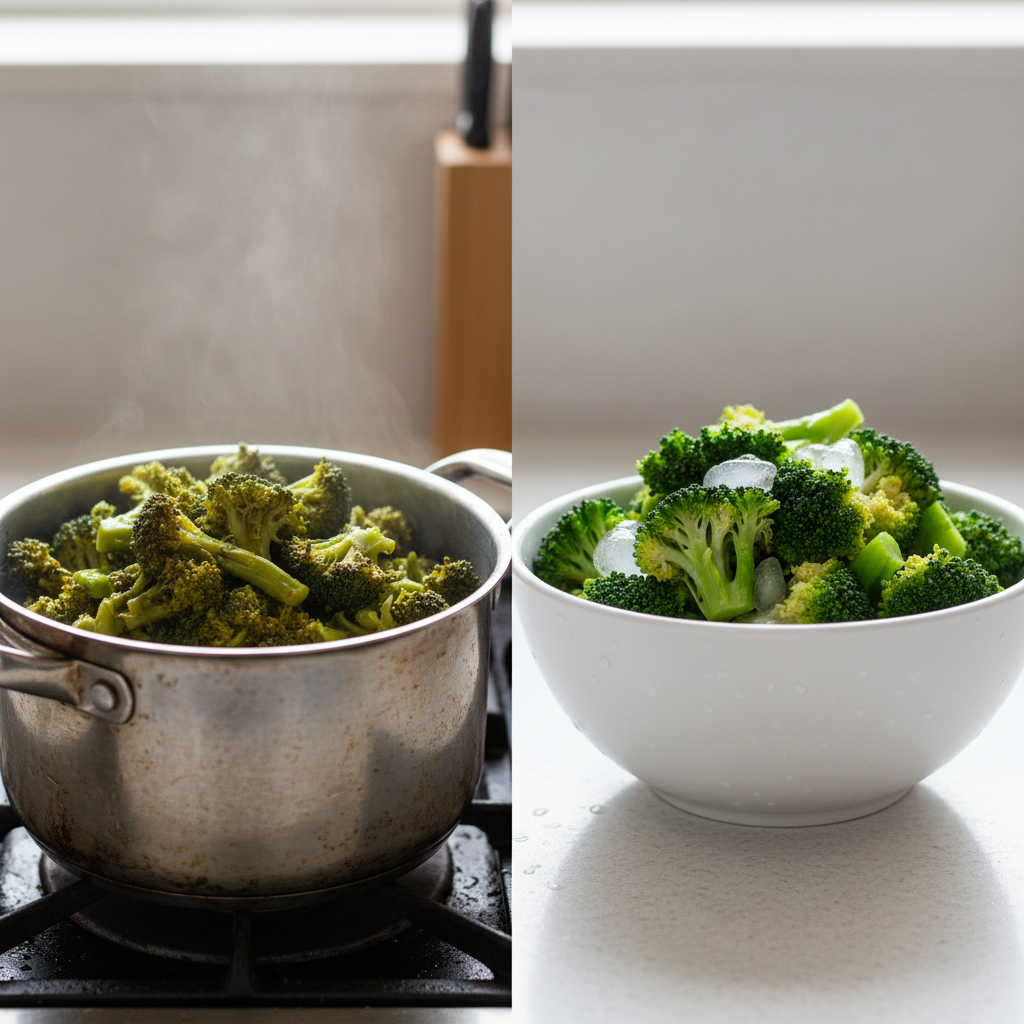
Why Do My Vegetables Lose Their Bright Color? 7 Easy Fixes
Vegetables lose their bright color primarily due to overcooking, incorrect pH levels during cooking, and trapping volatile acids by covering the pot.
vegetables lose their bright color. Want to create your own custom recipes? Try our AI-powered recipe generator for personalized cooking solutions tailored to your ingredients and preferences.
The Science Behind Why Vegetables Lose Their Bright Color
vegetables lose their bright color. Vegetable colors come from natural pigments. Chlorophyll, in green vegetables, is sensitive to heat and acid. Prolonged heat or acid replaces its central magnesium atom with hydrogen, forming pheophytin, which is olive-green.
vegetables lose their bright color. Carotenoids (oranges/yellows) are stable. Anthocyanins (reds/purples) are pH indicators; they turn reddish-pink in acid and blue/green in alkaline conditions.
| Pigment | Color | Common Veggies | Sensitivity |
|---|---|---|---|
| Chlorophyll | Green | Broccoli, Green Beans, Spinach, Peas | Highly sensitive to heat and acid |
| Carotenoids | Orange/Yellow/Red | Carrots, Sweet Potatoes, Bell Peppers | Relatively stable; fat-soluble |
| Anthocyanins | Red/Purple/Blue | Red Cabbage, Beets, Eggplant | Highly sensitive to pH changes |
7 Quick Fixes for When Vegetables Lose Their Bright Color
These seven fixes target common reasons vegetables lose their bright color.
1. Master the Blanch and Shock
The Problem: Boiling green vegetables too long destroys chlorophyll.
The Fix: Blanching. Boil salted water, add vegetables for 1-2 minutes until vibrant. Immediately transfer to an ice water bath to stop cooking and lock in color. Reheat gently later.
Pro Tip: Salting blanching water seasons vegetables and helps protect chlorophyll, as Serious Eats explains.
2. Cook Fast and Hot
The Problem: Slow cooking allows color-degrading enzymes to work.
The Fix: For sautéing or stir-frying, use high heat. Heat pan and oil until shimmering before adding vegetables. This cooks them quickly, deactivating enzymes fast. This also prevents watery sautéed veggies.
Pro Tip: Don't crowd the pan. Cook in batches to maintain high temperature and quick cooking.
3. Add Acid at the End (For Greens)
The Problem: Adding acid early to green vegetables turns them gray-green.
The Fix: Acid is chlorophyll's enemy. If a recipe calls for acidic ingredients, add them at the very last moment, off the heat, just before serving. This preserves color while adding flavor.
Pro Tip: Baking soda can make water alkaline and keep greens bright, but it risks a mushy texture by breaking down cell walls. Avoid it for better results.
4. Use Acid to Your Advantage (For Reds & Purples)
The Problem: Red cabbage turns purplish-blue when cooked.
The Fix: Anthocyanins in red/purple vegetables need an acidic environment to stay red. Add vinegar, lemon juice, or tart apples to the cooking liquid early to maintain the ruby hue.
Pro Tip: Hard, alkaline water can turn red veggies blue. Acid counteracts this.
5. Don't Cover the Pot!
The Problem: Covering green vegetables traps volatile acids, dulling their color.
The Fix: When cooking green vegetables, leave the pot uncovered. This allows volatile acids released during heating to escape, preventing them from condensing back onto the vegetables and creating an acidic environment.
Pro Tip: This rule mainly applies to green vegetables. Covering the pot is generally fine for other vegetables to speed cooking.
6. Choose Non-Reactive Cookware
The Problem: Cooking in reactive metals like cast iron or aluminum causes strange, off-color tints.
The Fix: Some metals react with vegetable pigments and sulfur compounds. Use non-reactive cookware like stainless steel, enamel-coated cast iron, or glass for vibrant results.
Pro Tip: This is crucial for acidic foods or light-colored vegetables like onions and cauliflower, which can yellow or gray with aluminum.
7. Steam, Don't Drown
The Problem: Boiling vegetables extensively leaches color, water-soluble vitamins, and flavor.
The Fix: Steaming cooks vegetables with hot vapor, preserving pigments and nutrients better than boiling. Place vegetables in a steamer basket over simmering water, cover, and steam until tender-crisp.
Pro Tip: If boiling, use minimal water and cook quickly to reduce color and nutrient loss.
How to Prevent Vegetables from Losing Their Color
Prevention is key for vibrant vegetables:
- Start with Freshness: Fresher produce has more vibrant pigments. Choose firm, crisp, deeply colored vegetables.
- Cook Soon: Pigment content declines after harvesting. Cook vegetables within days of purchase.
- Blanch for the Freezer: Always blanch and shock green vegetables before freezing to deactivate enzymes that degrade color, texture, and flavor.
- Embrace Raw Veggies: For the brightest color, serve vegetables raw in salads or crudités.
- Shorten Cooking Times: Avoid overcooking. Aim for tender-crisp vegetables for better color, nutrition, and taste.
Frequently Asked Questions
Why do my green beans turn a dull olive color when I cook them?
This is chlorophyll breakdown, caused by overcooking or an acidic environment. Cook them quickly at high heat (stir-fry) or blanch for 1-2 minutes in salted water, then shock in ice water to maintain bright green.
Is it safe to add baking soda to my green vegetables to keep them bright?
While a tiny amount of baking soda makes water alkaline and greens intensely green, it's not recommended. It breaks down hemicellulose, leading to mushy vegetables, and can destroy vitamins like thiamin and vitamin C, as Harvard T.H. Chan School of Public Health explains. Blanching is a better method for color and texture.
How can I stop my red cabbage from turning blue when I cook it?
Red cabbage's anthocyanin pigments are pH-sensitive, turning red in acid and blue in alkaline conditions. To keep it vibrant red/purple, add an acid like vinegar, lemon juice, or wine to the cooking liquid.
Complete Vegetable Troubleshooting Guide
This is just one of many common vegetable cooking issues. For a comprehensive guide covering all vegetable problems and solutions, check out our complete Complete Vegetable Troubleshooting Guide.
Conclusion
Maintaining vibrant vegetable colors is achievable by understanding pigment science and applying simple cooking techniques. By controlling heat, pH, and cooking methods, you can consistently serve visually appealing and delicious dishes. These fixes ensure your vegetables remain bright, nutritious, and a highlight of any meal.